
Livraison le jour même ou le lendemain

Qualité garantie

Débloquez vos offres de bienvenue: Livraison GRATUITE | Jusqu'à -80 % | 30 jours d'essai gratuits à JoyPlus
Téléchargez l'application
Buying an adult mountain bike seems straightforward… until you start comparing the specifications: 18 gears, suspension fork, disc brakes, aluminium or steel frame… There is no shortage of selling points, but they do not always guarantee that the bike will suit the way you ride.
To avoid spending money on the wrong features, three common mistakes are worth avoiding:
Here are the key criteria to consider before choosing a mountain bike for men or women, whether you are a beginner or a regular rider.
An aluminium frame is often valued for its relatively low weight and good resistance to corrosion. The Hiland H200 Plus has a stated weight of 15.54 kg and features an aluminium alloy frame. This configuration can make daily journeys, storing the bike in a flat or transporting it easier.
A high-carbon steel frame, such as the one on the Hiland Ridge, prioritises robust construction. Its stated weight is 16.9 kg. The choice therefore comes down to easier handling or a greater feeling of solidity: neither material is automatically better than the other.
For urban use combined with rides on uneven trails, pay particular attention to:
The 26-inch mountain bike remains a popular option for adults looking for a nimble bike. The 2.125-inch tyres on the Hiland Ridge are designed for use on roads and trails, while its double-wall alloy rims are designed to provide greater strength.
Wheel size alone is not enough to determine whether the bike is right for you. Check the manufacturer’s sizing guide and measure your inside leg. A bike that is too large will make stopping and manoeuvring more difficult; a model that is too small may make your riding position uncomfortable over longer distances.
If you are deciding between two sizes, also consider:
An 18-speed mountain bike offers enough ratios to adjust your effort on climbs, gentle inclines and faster-rolling sections. This drivetrain is suitable for versatile riding, provided the derailleur is correctly adjusted and the chain is maintained.
A front suspension comes into its own on uneven trails, forest tracks and sections covered with roots and small stones. It does not replace suitable riding technique or tyres appropriate for the terrain.
When it comes to braking, a bike fitted with disc brakes can offer progressive braking control and a design suited to off-road rides. Before every outing, check the condition of the brake pads, that the wheels are secure and that the levers are working properly. Performance varies according to the adjustments, wear, weather and type of disc.

Why this choice suits this profile : With its aluminium frame, 18 gears and front suspension fork, this model covers the needs of first-time riders looking for a versatile bike, from urban journeys to uneven trails.
The product details specify the 15.54 kg weight, partial assembly and checks to be carried out. This makes it easier to assess the budget and maintenance involved.
Aluminium frame, 18-speed drivetrain, dual disc brakes and front suspension fork.

Why this choice suits this profile : This model is aimed at cyclists who prioritise steel construction, double-wall rims and wide tyres for moving between different surfaces.
The product details set out the steel frame, double-wall wheels and 2.125-inch tyres, rather than relying on vague claims of durability.
High-carbon steel frame, 18 gears, 2.125-inch tyres and dual disc brakes.
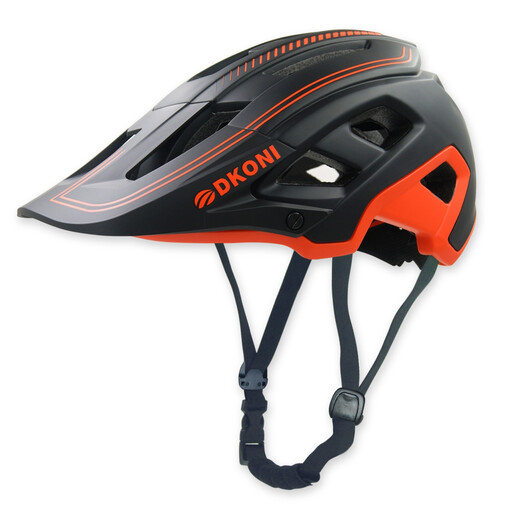
Why this choice suits this profile : This adjustable helmet is suitable for regular rides thanks to its rear adjustment system, removable pads and 17 ventilation openings.
Sizes are given according to head circumference : 54–58 cm in M and 56–61 cm in L. This measurement must be checked before purchase.
Dial adjustment, removable visor, washable pads and a stated weight of 380 g.
We have brought together a complete, real-time updated selection of products that meet these demanding criteria and European safety standards.
The models featured require partial assembly, including the handlebars, pedals, front wheel and saddle. Once assembly is complete, check that every bolt is tight and that the handlebars are correctly aligned.
To minimise wear and maintenance costs:
Wearing a correctly fitted adult mountain bike helmet is recommended for every ride. Measure your head circumference, position the helmet straight and fasten the chin strap without making it uncomfortable. After a significant impact, replace the helmet, even if there is no visible damage.
A 26-inch model may suit many adults, but frame size and the rider’s height are just as important. Check the manufacturer’s sizing guide and make sure you can put both feet on the ground when stopping.
The budget depends on how often the bike is used and the condition of its components. Regular expenses mainly include the chain, brake pads, cables, drivetrain adjustments and tyres. Regular cleaning will generally help extend the time between replacements.
No. A dial makes adjustment easier, but your head circumference must fall within the range specified by the manufacturer. The helmet should not move when you shake your head, nor should it put uncomfortable pressure on you.