
Livraison le jour même ou le lendemain

Qualité garantie

Débloquez vos offres de bienvenue: Livraison GRATUITE | Jusqu'à -80 % | 30 jours d'essai gratuits à JoyPlus
Téléchargez l'application
Choosing adult cat food is not simply a matter of comparing flavours or hunting for a special offer. From dry food and wet food to pouches and liquid cat treats, packaging often highlights appetising ingredients without always making their actual proportion clear or explaining where the product fits into your cat’s daily diet.
Three pitfalls come up time and again:
The wording ‘complete food’ means that the product can make up a cat’s daily ration when served according to the manufacturer’s recommendations. By contrast, complementary food is intended to be given alongside a complete staple diet.
This is the case with some liquid cat treats. The INABA Churu Cat Tuna product, for example, contains 91 % moisture and only 6 calories per serving. However, it is presented as a reward, accompaniment or topping to add to dry or wet food.
Before adding a product to your basket, check the following information:
Ingredients are generally listed in descending order by weight. However, this list alone is not enough to compare two recipes. Also look at the analytical constituents: protein, fat, cellulose, ash and moisture.
As a useful reference, Purina One Bifensis salmon dry food contains 34 % protein, 14 % fat and 8 % moisture. Like all dry food, it provides relatively little water, so a bowl of clean drinking water should always be available.
Water content is considerably higher in wet cat food. PURINA’s salmon and turkey recipe contains 78 % moisture, compared with 84 % for Sheba Chicken & Tuna fillets. These figures describe the product’s composition; they are not a medical guarantee or a promise of effectiveness.
85 g cat food pouches are easy to portion and help minimise leftovers. Once opened, they should be kept in the fridge and used within the period stated on the packaging, generally within 24 to 48 hours depending on the product.
For the 60 g Sheba trays, the recommendations call for refrigeration and consumption within two days of opening. Sheba soups in 40 g pouches, on the other hand, should be consumed within 24 hours.
If you change your adult cat’s dry food, allow around seven days for a gradual transition when recommended by the manufacturer. Gradually mix the new recipe with the old one so that you can monitor your cat’s tolerance and any changes in appetite.
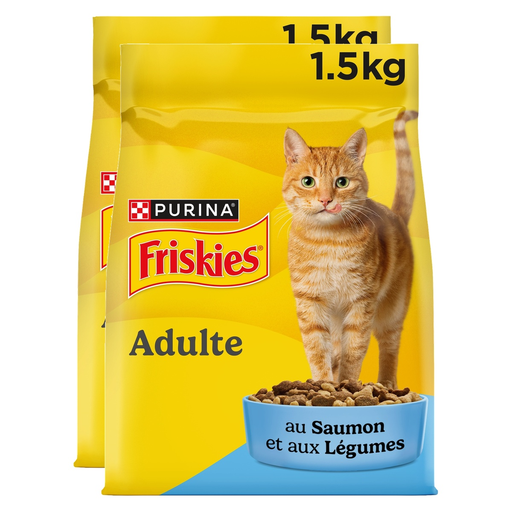
Why this choice suits this profile : At 3 kg, this bag is a good starting point for trying dry food designed for an indoor adult cat, without taking up too much storage space.
The product listing clearly presents it as a complete food for adult cats and details its composition, including 30 % protein and 11 % fat.
A recipe presented as complete, a handy 3 kg medium-sized format and dry food intended for daily feeding according to the manufacturer.
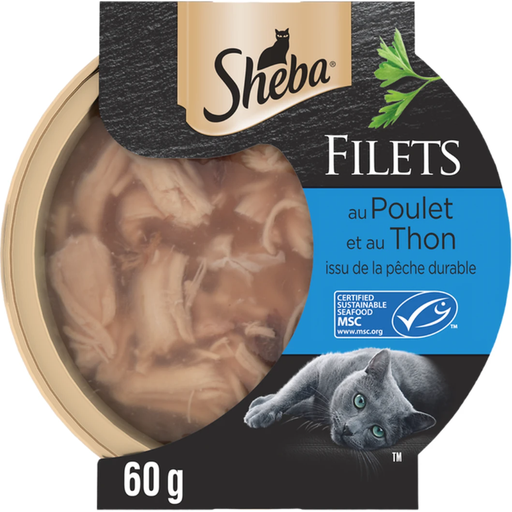
Why this choice suits this profile : This wet portion is ideal for owners who like fillets in sauce and want to add variety to their cat’s meals from time to time.
The product listing classifies it as complementary wet food, so you will not mistake it for a complete meal when serving it as an accompaniment.
Advertised as containing 35 % chicken fillets and 4 % tuna, with 84 % moisture and an easy-to-serve 60 g portion.
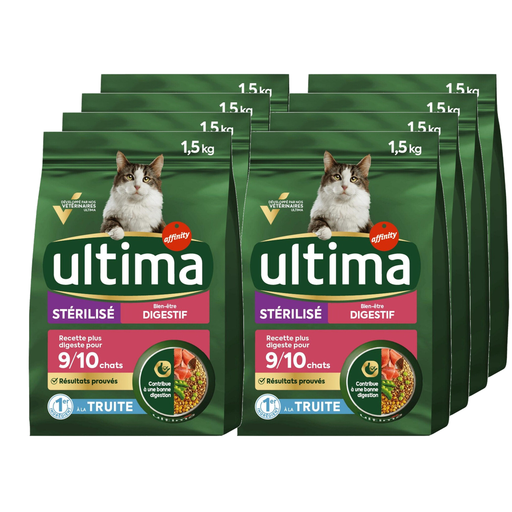
Why this choice suits this profile : This 12 kg bag is intended for households that regularly use dry food for neutered cats and have a dry place to store it.
The recipe is specifically aimed at neutered adult cats and provides detailed information about feeding quantities, composition and additives.
The composition states 16 % trout, with 35 % protein plus taurine, vitamins and minerals according to the supplied labelling.
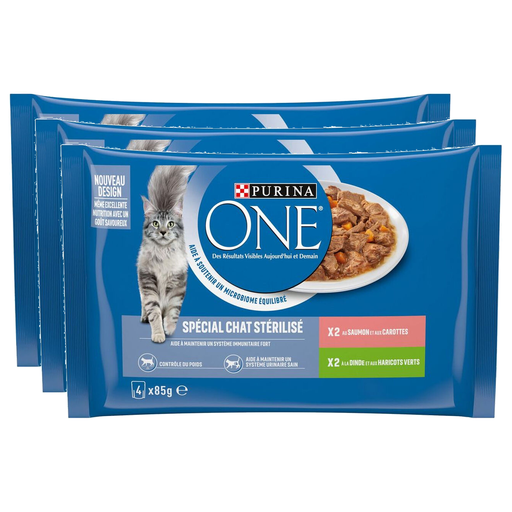
Why this choice suits this profile : This pack of 12 x 85 g pouches is ideal for a regular wet-food routine, with individual portions that are easy to measure.
It is presented as complete food for neutered adult cats, so the pouches are not simply treats or supplements.
78 % moisture, 13 % protein, 3.6 % fat and two recipes featuring salmon and turkey.
We have brought together a complete, real-time updated selection of products that meet these strict criteria and European safety regulations.
The right amount depends on your cat’s weight, age, activity level, neutering status and the product’s energy density. Use the feeding table on the packaging as a starting point, then adjust the quantity according to changes in your cat’s body condition. Treats should also be included in the total daily ration.
Yes, this is very common. Simply reduce the quantity of each type of food to avoid overfeeding. The manufacturer’s recommendations can help you convert a portion of wet food into the equivalent amount of dry food. Even if your cat eats pouches or soup, always leave a bowl of fresh water available.
Always check the label first. In general, opened wet food should be refrigerated in an airtight container and consumed promptly. Soup or a liquid treat may have an even shorter shelf life once opened. Dry food should be kept in a properly resealed bag, away from moisture and heat.