
Livraison le jour même ou le lendemain

Qualité garantie

Débloquez vos offres de bienvenue: Livraison GRATUITE | Jusqu'à -80 % | 30 jours d'essai gratuits à JoyPlus
Téléchargez l'application
Whether you're a seasoned bike commuter, a weekend mountain biking enthusiast, or an occasional scooter rider, choosing the right adult bike helmet is a crucial step. Faced with an overwhelming array of models, technologies, and designs, it's easy to feel lost.
This guide is here to walk you through the key criteria and present a selection of helmets suited for every type of ride. The goal?: to help you make the right choice, whether for your daily commute or your leisure activities.
Before diving into our selection, let's review the features that make all the difference. Three points should be examined closely.
Its number one mission is to protect you. It's imperative to check that any helmet that catches your eye complies with the European standard EN 1078. This is the legal minimum. Some models go further by integrating advanced protection technologies.
Among these, MIPS (Multi-directional Impact Protection System) technology has become a benchmark. In practice, this is a thin inner layer that allows the head to move slightly, independent of the helmet, during an angled impact. Its designers claim the goal is to better dissipate the rotational forces that can damage the brain. A MIPS bike helmet is therefore a significant advantage for those who place safety at the top of their priorities.
Your primary activity will guide your choice toward a specific type of helmet?:
Even the most sophisticated helmet is useless if it doesn't fit properly. Ensure it has an occipital adjustment system (the well-known dial at the back) and adjustable straps for a secure fit. Ventilation is another crucial point, especially for long summer rides. The number and size of the vents directly affect airflow. Finally, don't underestimate the weight?: over the long haul, every gram counts.
To guide you, we've selected three models with distinctly different profiles, whether you're looking for a women's bike helmet or a men's bike helmet.

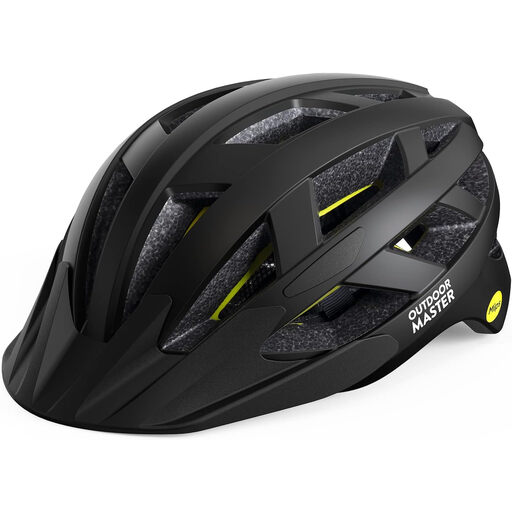
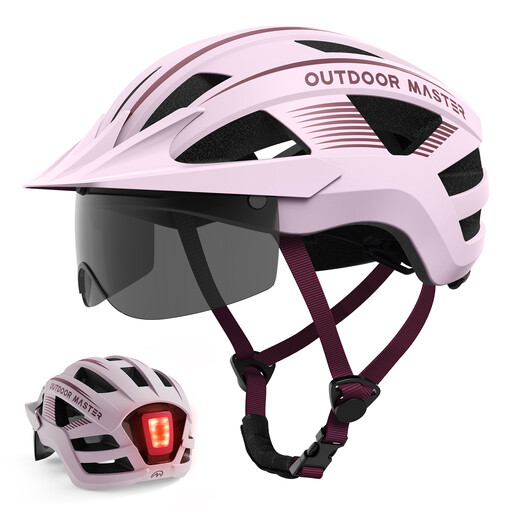
Did none of these models catch your eye?? If you want to explore a wider range of products, colours, and accessories, feel free to browse our complete catalogue.
? Explore our full collection in the Cycling category
The golden rule?: replace your helmet after any impact, even if no damage is visible on the surface. The internal structure, designed to absorb the energy of the impact, can be compromised. Furthermore, even without an accident, it is advisable to replace your helmet every 3 to 5 years. Over time, the materials degrade due to exposure to UV rays, sweat, and temperature changes.
It's simple?: take a flexible measuring tape and measure your head circumference. Place the tape about 2 cm (or just under an inch) above your eyebrows and at the widest point on the back of your head. Then, refer to the manufacturer's size guide. A correctly sized helmet should be stable without feeling too tight, should not shift when you shake your head, and should not create any painful pressure points.
Yes, but with one non-negotiable condition?: it must be certified for cycling (the EN 1078 standard in Europe). Many models, like the OutdoorMaster Oryx, are certified as "multi-sport". This means they are tested and approved for safe use while cycling, skateboarding, or riding a scooter. The key takeaway?: always check the product's certifications before you buy.