
Livraison le jour même ou le lendemain

Qualité garantie

Débloquez vos offres de bienvenue: Livraison GRATUITE | Jusqu'à -80 % | 30 jours d'essai gratuits à JoyPlus
Téléchargez l'application
Choosing an adult bike helmet can quickly become a headache given the overwhelming number of options. Between the different shapes, safety technologies, and various features, it's easy to get lost. This guide is here to shed some light and help you find the helmet that not only fits your head but, more importantly, suits your cycling habits—whether for commuting, sport riding, or off-road adventures.
Before diving into our top picks, let's review the key points that will help you make the right choice.
This is the first and most important criterion. Your primary riding environment will directly influence your choice, as each type of helmet is designed to meet specific needs:
While all helmets sold in Europe must meet the European standard (CE EN 1078), certain technologies offer a real advantage in terms of safety. The MIPS (Multi-directional Impact Protection System) is the most well-known. In practice, it's a thin layer inside the helmet that allows your head to move slightly (10 to 15 mm) independently from the shell during an angled impact. The goal? To better dissipate the rotational forces that can cause brain injuries in certain types of impacts.
A good helmet is one you forget you're wearing. To achieve this, fit and comfort are paramount. Here are the points to check:
Whether you're looking for a men's bike helmet or a women's bike helmet, know that most models today are unisex. The most important thing is to find the right size by measuring your head circumference.
We've scoured the market to bring you three models that stand out from the crowd, each tailored to a specific riding style.
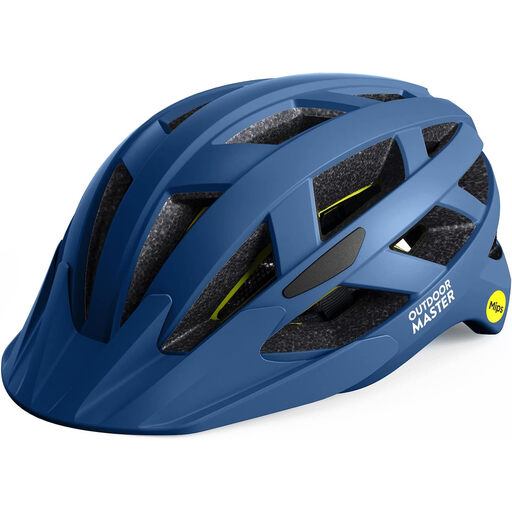
Why it stands out: This model's greatest strength is making MIPS technology accessible in a versatile and affordable helmet. It offers enhanced protection for cyclists who like to mix up their riding, from daily commutes to weekend trail rides.
Advantages:
Who is it for? The all-rounder cyclist who wants a single helmet for commuting, road cycling, and occasional MTB rides, without compromising on MIPS safety.
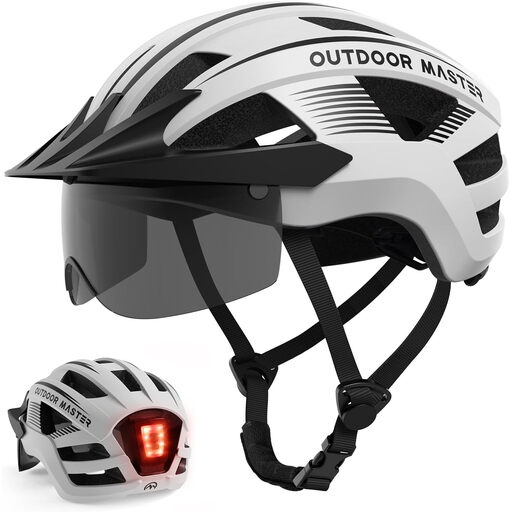
Why it stands out: Designed for the modern urban cyclist, this helmet integrates the one accessory that makes all the difference in the city: an integrated, USB-C rechargeable rear LED light. It's an essential feature for staying visible in traffic.
Advantages:
Who is it for? The quintessential bike commuter who rides in all weather and at all hours, and who is looking for a practical, safe, all-in-one helmet.

Why it stands out: No compromises here. This full-face helmet is built for absolute protection. Its rugged ABS shell and multi-impact EPP liner protect the entire head, including the chin bar. It's the key for disciplines where crashing is part of the game.
Advantages:
Who is it for? Downhill (DH), BMX Race, and aggressive enduro riders looking for maximum protection to push their limits with complete peace of mind.
Having the right gear is key to enjoying cycling. Now that your head is protected, perhaps you're looking for the perfect ride for your next getaway?
? Discover our selection of trekking bikes for your next adventures.
The golden rule: always replace your helmet after any impact, even a simple drop from waist height. The exterior may look fine, but the internal EPS foam structure, which absorbs energy, could be compromised. Even without an impact, it's recommended to replace it every 3 to 5 years. Over time, UV rays, sweat, and temperature changes degrade the materials and reduce their effectiveness.
It's simple: take a measuring tape and measure your head circumference. Place the tape about 2 cm above your eyebrows and at the widest point at the back of your head. Then, compare this measurement in centimetres to the brand's size guide. A correctly sized helmet should be stable without creating pressure points. It shouldn't wobble or feel constricting.
MIPS technology was developed to better manage the rotational forces generated during an angled impact (when your head doesn't hit an object straight-on). According to numerous studies, these are the forces that are particularly dangerous for the brain. By allowing a micro-slip movement between the head and the helmet, MIPS helps to dissipate this rotational energy. While its effectiveness is sometimes debated, it is now widely considered a safety standard. Is the extra cost justified? That's for you to decide, based on your budget and the importance you place on this added protection.