
Livraison le jour même ou le lendemain

Qualité garantie

Débloquez vos offres de bienvenue: Livraison GRATUITE | Jusqu'à -80 % | 30 jours d'essai gratuits à JoyPlus
Téléchargez l'application
Choosing an adult bike helmet can quickly become a daunting task given the overwhelming number of options. Between the different technologies, designs, and standards, it's hard to know where to start. Whether you're an avid commuter, a passionate mountain biker, or a casual Sunday rider, two criteria outweigh all others: safety and comfort. This guide is here to help you see clearly and find the perfect helmet for your needs, without the marketing jargon.
Before diving into our selection, let's review the key points that will guide your decision.
This is its entire purpose: to protect you. In Europe and beyond, a helmet must display the CE EN 1078 standard. This is your guarantee that it has successfully passed a series of impact resistance tests.
You will also hear a lot about MIPS (Multi-directional Impact Protection System) technology. This is an internal membrane that allows the helmet to slide slightly on the head during an angled impact. The goal? To better dissipate rotational forces, which are particularly dangerous for the brain. It's a significant safety upgrade found on more and more models.
To each discipline its own helmet! The perfect model for commuting to the office won't be the same as the one for hitting the trails:
Whether it's a women's bike helmet or a men's bike helmet, these distinctions by discipline remain the same. The differences are most often in the colour palette and available sizes.
A good helmet is one you forget you're wearing. For that, the fit is crucial. Make sure it has an occipital adjustment system (the well-known dial at the back) and adjustable straps for a perfect hold. The weight and number of vents are also key for comfort, especially if you ride often and for long periods.
We have selected several models that stand out from the crowd, each meeting a specific need.

Its standout feature: It makes MIPS technology accessible with a clean, versatile design. Its construction makes it an excellent choice for multiple activities, from recreational cycling to light MTB, and even skateboarding.
Advantages:
Who is it for? The all-rounder cyclist looking for a secure and adaptable helmet for both leisure rides and more athletic sessions.
See details for the OutdoorMaster MIPS Gem I
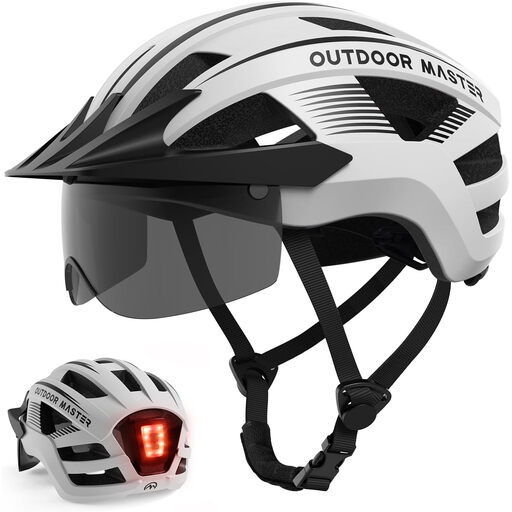
Its standout feature: This is the Swiss Army knife of urban helmets. It includes a rechargeable rear light, a magnetic visor, and a modern look. The perfect ally for the bike commuter.
Advantages:
Who is it for? The daily commuter or e-bike rider who wants an all-in-one helmet combining safety, visibility, and comfort.
See details for the OutdoorMaster RhinoUrban
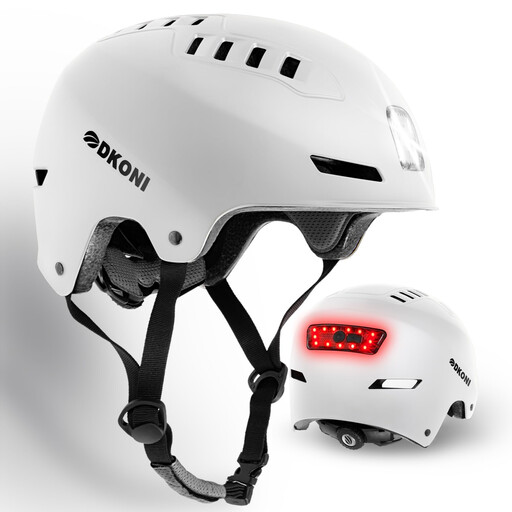
Its standout feature: Maximum visibility. With its 360° lighting, it's impossible to go unnoticed, day or night.
Advantages:
Who is it for? The urban cyclist who often rides at night or in low-light conditions, and for whom being seen isn't optional.
See details for the DKONI HS-158
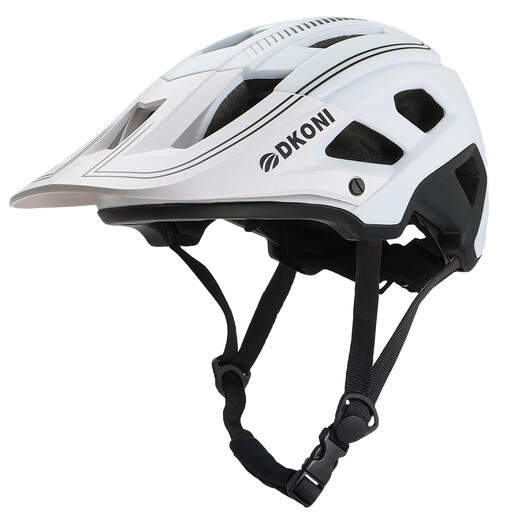
Its standout feature: A true MTB helmet, designed for the trails. It offers enveloping protection and a wide visor to hit the paths with complete peace of mind.
Advantages:
Who is it for? The mountain biker, from beginner to experienced, who is looking for a robust, protective, and well-ventilated helmet for their off-road adventures.
See details for the DKONI HS-062
This selection doesn't cover every need? Every cyclist is unique, with their own preferences for design, features, or budget.
Feel free to explore our complete collection to find the certified bike helmet that will accompany you on all your two-wheeled adventures.
Discover the entire range of outdoor helmets
It's simple: take a measuring tape and measure your head circumference. Run the tape horizontally, about 2 cm above your eyebrows and at the level of the most prominent bump on the back of your skull. Then, refer to the manufacturer's size guide (S, M, L, etc.). A correctly sized helmet is stable, creates no pressure points, and stays in place when you shake your head.
The golden rule: a helmet must be replaced after any impact, even if it appears undamaged. The internal EPS foam structure, which absorbs the impact energy, can be invisibly damaged and may no longer protect you effectively. Without an accident, it is advisable to replace it every 3 to 5 years. The materials (plastics, glues, foams) naturally degrade over time due to UV exposure, sweat, and temperature changes.
MIPS technology adds specific protection against rotational forces, which are generated during angled impacts and are particularly harmful to the brain. In practice, it's a thin inner layer that allows your head to move slightly (10 to 15 mm) independently of the helmet during impact. This is a real safety bonus adopted by many brands. That said, the most important thing is still to choose a certified bike helmet that is perfectly fitted.