
Livraison le jour même ou le lendemain

Qualité garantie

Débloquez vos offres de bienvenue: Livraison GRATUITE | Jusqu'à -80 % | 30 jours d'essai gratuits à JoyPlus
Téléchargez l'application
Whether it's a small repair, a renovation project, or a personal creation, choosing the right adhesive or sealant is the key to success. Yet, when faced with entire aisles of glues, sealants, and resins, it's easy to feel overwhelmed. The wrong choice can turn the simplest project into a nightmare, with bonds that fail and seals that turn black.
As a Product Specialist at Joybuy, my mission is to help you navigate the options and find the perfect solution, without falling for the usual marketing traps.
The 2 Costly Beginner Mistakes:
To avoid disappointment, ignore the marketing slogans and focus on a few key technical parameters.
First and foremost, identify the exact materials you need to glue or seal. A strong glue designed for wood won't deliver the same results on metal for a metal repair.
Each product has its own timeline. Read the technical data sheet carefully to distinguish between:
A product designed for indoor use will quickly degrade if exposed to UV rays, moisture, or significant temperature fluctuations. For your outdoor projects or in damp areas like the bathroom, it's imperative to choose products designed to resist water, UV, and extreme temperatures.
To help you see how these criteria apply in practice, here are a few recommended options for specific needs.
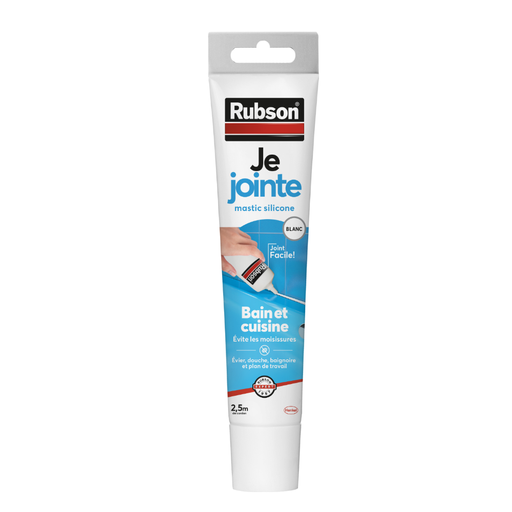
Why it's perfect for this: Ideal for the occasional DIYer who needs to reseal a joint around a sink or bathtub without the hassle of a caulking gun. Its ready-to-use tube format is ultra-practical for small repairs.
It debunks the "universal" myth by clearly listing compatible materials (enamel, porcelain, glass) and those that are not (synthetics, acrylic, etc.). No nasty surprises.
Easy application without a caulking gun. Long-lasting, anti-mould silicone formula—a must-have for wet areas.
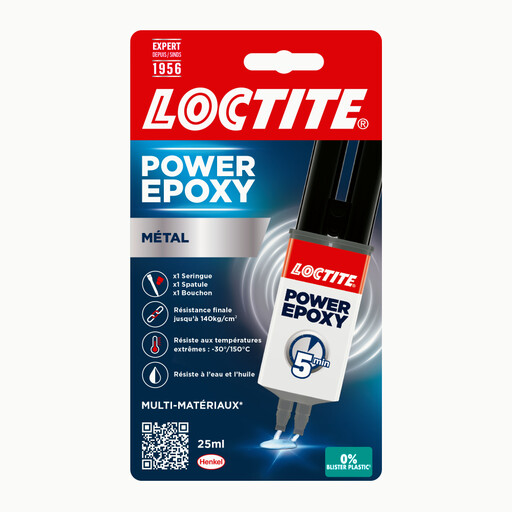
Why it's perfect for this: Ideal for experienced DIYers tackling structural repairs on metal objects. Its two-part formula is designed to support heavy loads and fill gaps.
It shatters the "instant grab" illusion by specifying a 5-minute working time but a final strength that is only reached after 24 hours. This distinction is vital to avoid weakening the bond.
Extreme adhesion on all metals. Once cured, the adhesive can be drilled, sanded, or filed for a flawless finish.
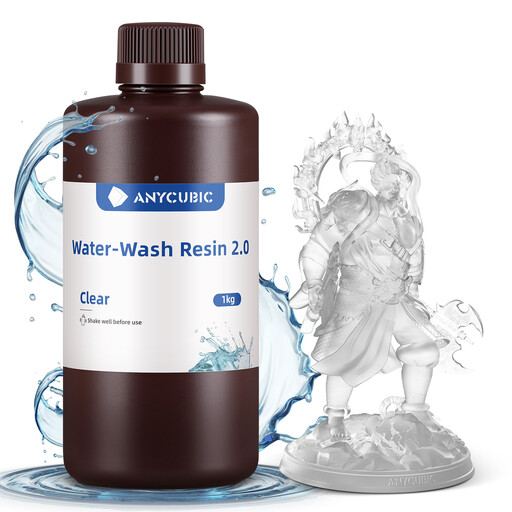
Why it's perfect for this: Designed for makers and 3D printing enthusiasts (LCD/DLP/SLA). Its key advantage is its ease of cleaning, which can be done with just water, eliminating the need for isopropyl alcohol (IPA).
This resin is highly specific. Far from claiming to be universal, it comes with detailed printing parameter charts for numerous printer models. No more guesswork—the success rate skyrockets.
Water-washable, making it safer, more economical, and less odorous. High precision and low shrinkage for finely detailed models.
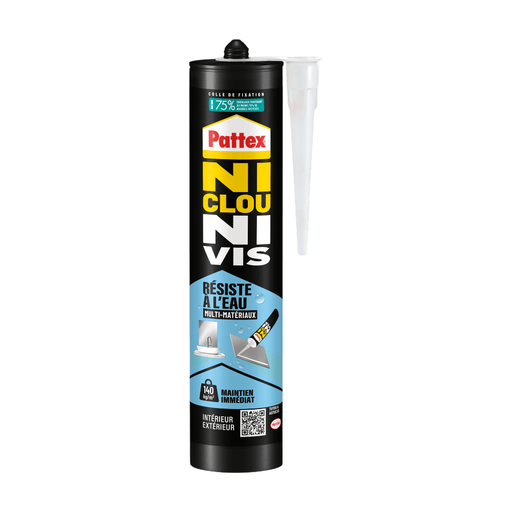
Why it's perfect for this: For anyone who wants to mount skirting boards, shelves, or decorative elements without taking out the drill. Its versatile Flextec formula works indoors and outdoors, even on damp surfaces.
It manages expectations perfectly by indicating a 10-minute window for repositioning, while stressing that final strength is only achieved after 24 hours. This makes it impossible to accidentally stress the bond too soon.
Powerful initial grab and excellent resistance to water, humidity, and UV. Solvent-free and isocyanate-free formula, making it safer for the user.
Explore our complete selection of glues, sealants, and resins, all rigorously chosen for their performance and compliance with European safety standards.
A strong adhesive like super glue (cyanoacrylate-based) is a single-component product that cures almost instantly on contact with air moisture. It's perfect for small, quick bonds. In contrast, an epoxy glue is a two-part system (a resin and a hardener that you mix). Its curing process is slower, but the final bond is much more robust, capable of resisting heat and chemicals, and filling gaps. It's the champion of structural repairs and metal repair.
To prevent mould growth, product choice is crucial. Always opt for a sanitary silicone sealant labelled as "anti-mould". These formulas contain fungicides that inhibit spore development. Also, don't forget best practices: a perfectly clean, dry, and degreased surface before application, along with good ventilation in the room after every shower, are the keys to a long-lasting seal.
Yes, thanks to new-generation construction adhesives, often called "No More Nails." However, it is imperative to follow the instructions to the letter. Check the maximum load capacity, ensure that at least one of the two surfaces is porous (if specified in the instructions), and above all, strictly respect the full curing time (usually 24 to 48 hours) before putting any weight on the object. For very heavy loads, caution is still advised, and a chemical anchor or mechanical fixing may be a wiser choice.