
Livraison le jour même ou le lendemain

Qualité garantie

Débloquez vos offres de bienvenue: Livraison GRATUITE | Jusqu'à -80 % | 30 jours d'essai gratuits à JoyPlus
Téléchargez l'application
A small cut, a blister after a hike or a plaster that comes loose in the shower: adhesive plasters and tapes are not all designed for the same needs. And while packaging is full of promises, they are not always easy to interpret in everyday use. Before heading to the checkout, it is therefore worth checking the material, size and level of resistance that is genuinely suitable for your situation.
A waterproof plaster can protect a superficial wound in the shower or bath. That does not mean it will stay perfectly in place during a prolonged swim, a sports session or on damp skin. Preparation is essential: the skin around the wound must be clean and completely dry, and the edges of the plaster should be pressed down carefully.
A highly adhesive tape will generally stay in place better on an area that moves, but removing it can be uncomfortable, particularly for children and people with reactive skin. For regular use, choose hypoallergenic plasters, plasters for sensitive skin or a tape whose product information states that it is free from natural latex.
A fixation adhesive tape or medical adhesive tape is normally used to hold a dressing, plaster or medical device in place. It is not a substitute for a sterile dressing and should not be applied directly to an open wound unless the product is specifically designed for that purpose. Blister-prevention tape, on the other hand, is designed to reduce friction on intact skin: it does not treat an existing blister.
For a graze or small cut, plasters for superficial wounds with a non-stick dressing pad are particularly practical. If contact with water is likely, choose waterproof plasters or water-resistant plasters. However, remember to distinguish between a pre-cut plaster and a simple roll of fixation tape.
A plaster should extend far enough beyond the wound for the adhesive to stick to healthy skin. For a larger injury, a 10 cm × 7 cm format may be more suitable than a small standard plaster. Rolls measuring 6 cm × 1 m or 8 cm × 1 m allow you to cut the required length, but you will need to add a dressing if the roll does not include one.
Terms such as free from natural latex, ‘micro-aerated’ or ‘breathable’ provide useful information about the product’s design, but do not guarantee that it will not cause a skin reaction. Sensitive skin may tolerate a soft non-woven backing better. In all cases, stop using the product if redness, itching or irritation occurs.
If it is a medical device, read the instructions, follow the recommended wearing time and check the information on the packaging, particularly the batch number and expiry date.
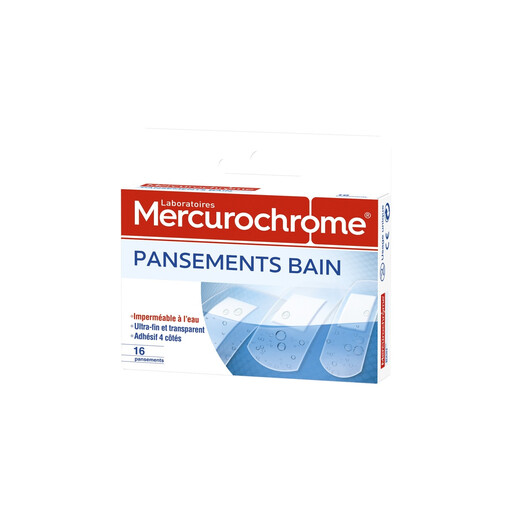
Why this choice suits this profile : The box contains 16 pre-cut plasters for small cuts, grazes and superficial wounds. Their slim, transparent design makes them a versatile option for a family first-aid kit.
The waterproof claim comes with clear instructions: apply the plaster to dry skin and replace it after exposure to water, or if it becomes wet or dirty.
Breathable backing, non-stick dressing pad and 16 pre-cut sizes.
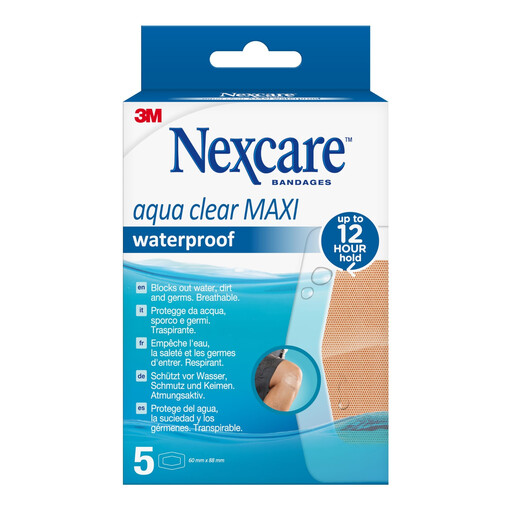
Why this choice suits this profile : This pack of 5 plasters measuring 60 mm × 88 mm is ideal for anyone looking for a large, flexible and discreet format for outdoor activities.
Its design is described as protecting against water, dirt and germs. However, the plaster should be replaced after 12 hours or if it starts to come loose.
Flexible backing, non-stick dressing pad and design free from natural latex.
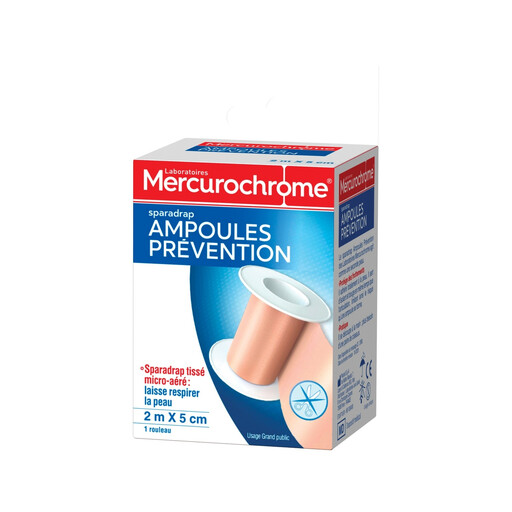
Why this choice suits this profile : This 2 m × 5 cm roll is aimed at hikers, sports enthusiasts and anyone exposed to friction from footwear or equipment.
It is intended to prevent blisters, not to cover an open wound or treat an existing blister: its use matches the stated purpose.
Woven fabric, tear-by-hand design and 2 m × 5 cm format.
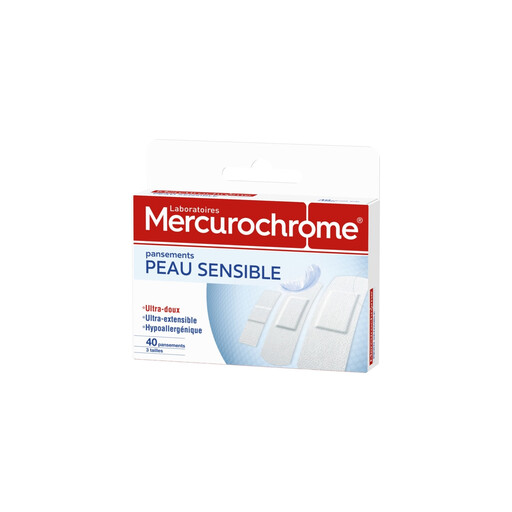
Why this choice suits this profile : With 40 plasters in three sizes, this box is suitable for the whole family. Their fabric backing is soft and breathable.
The product information mentions a hypoallergenic design intended to reduce the risk of allergies, while recommending that use should be stopped if irritation occurs.
40 pieces, three sizes, ultra-soft fabric and adhesive described as hypoallergenic.
To hold a dressing or gauze in place, the NEXCARE Sensitive Tape 25 mm × 5 m is a practical option. Its transparent, breathable and water-resistant backing can be torn by hand, making adjustments easy. The Hansaplast Classic Fixation Tape 5 m × 1 cm can also be used to secure plasters, dressings or certain medical devices, in accordance with the instructions.
We have put together a complete, real-time updated list of products that meet these demanding selection criteria and the requirements of European safety regulations.
It depends on the product, the area concerned and the condition of the plaster. Some models can remain in place for up to 12 hours, while others should be replaced after a shower, as soon as they become damp or dirty, or if they start to come loose. Always check the instructions and avoid leaving a wet plaster on your skin.
Choose a soft, breathable backing, preferably free from natural latex where this feature is clearly stated. Also look for the term hypoallergenic. This does not eliminate all risk of a reaction: remove the plaster if irritation occurs and consult a healthcare professional if it persists.
Only if the instructions allow it. Standard fixation tape is generally used to hold a dressing or plaster in place. To treat a wound, use a plaster with a suitable dressing pad. Deep, infected or very extensive wounds, as well as bites and serious burns, require medical advice.