
Livraison le jour même ou le lendemain

Qualité garantie

Débloquez vos offres de bienvenue: Livraison GRATUITE | Jusqu'à -80 % | 30 jours d'essai gratuits à JoyPlus
Téléchargez l'application
A cut in the kitchen, a graze after a fall, a blister during a hike or an injured finger while gardening: adhesive wound plasters are essential items to keep at home. However, choosing a product based solely on its price or appearance can leave you with a plaster that comes off quickly, irritates the skin or fails to protect the affected area properly.
Here are the criteria to consider before buying, along with a selection suitable for adults, children, sports enthusiasts and the family first-aid kit.
A water-resistant plaster can cope with a few splashes or quickly washing your hands. That does not mean it is suitable for a shower, bath or swimming. For these uses, look for wording that clearly states waterproof on the packaging.
How well it stays in place also depends on your skin: applying it to damp, oily or insufficiently dried skin reduces adhesion, whatever the manufacturer’s claims.
A standard rectangular plaster does not always follow the movements of a finger, elbow or knee. On a joint, creases can form and the edges may eventually lift. Flexible plasters, pre-cut finger strips and stretchable formats are generally better suited to these areas.
A dressing that sticks to the wound can make removal particularly uncomfortable. Check for a non-stick dressing, especially for small cuts and grazes. If you are sensitive to latex, choose a product explicitly labelled latex-free, rather than relying on a simple ‘sensitive skin’ claim.
The dressing should cover the wound with a sufficient margin, without extending excessively over a highly mobile area. Packs containing assorted sizes are practical for the home, as they include several dimensions:
For a more extensive wound, a cut-to-size roll gives you greater freedom to choose the dimensions.
A secure hold does not necessarily require an extremely strong adhesive. On delicate skin, an overly aggressive adhesive can make removal painful. Conversely, on an area subject to movement, a stretchable, breathable backing helps reduce feelings of tightness.
Product descriptions sometimes mention stretchable material, a breathable structure or moisture-resistant adhesion. Consider these features in relation to how you intend to use the plaster: manual work, sport, hiking, caring for a child or everyday use.
Waterproof plasters create a barrier against water and impurities, but they must be applied to clean, completely dry skin. Replace a plaster if it becomes wet, dirty or loose, unless the instructions specify a different duration or method.
Hydrocolloid plasters are a separate category. They contain a material that forms a gel when it comes into contact with wound fluid. They are mainly intended for blisters and should be used in accordance with the instructions. They are not a substitute for medical advice in the event of a deep, infected or persistent wound.
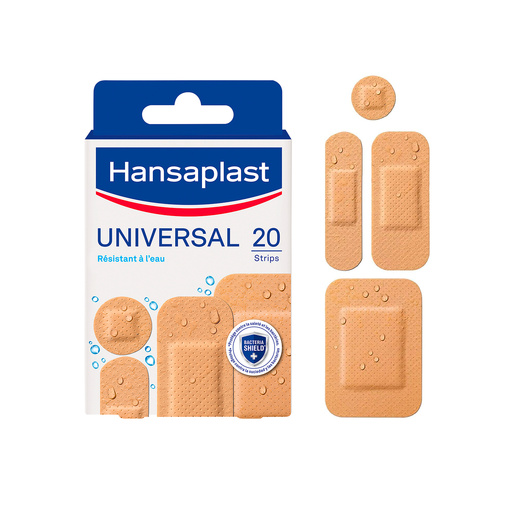
Why this choice suits this profile : This pack of 20 plasters in four sizes covers everyday minor injuries without filling your cupboard with lots of different products.
The four sizes help prevent you from using a plaster that is too small or unnecessarily large. The backing is described as water- and dirt-resistant, while still allowing the skin to breathe.
20 plasters, four sizes, a latex-free design and water-resistant protection.
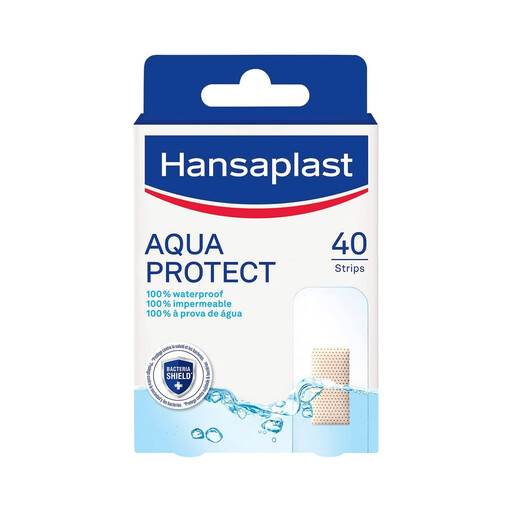
Why this choice suits this profile : This pack is suitable for anyone looking for protection advertised as 100% waterproof for activities involving frequent hand-washing or contact with moisture.
The waterproof claim is more explicit than simply stating that a product is splash-resistant. However, your skin must still be dry before application, and the plaster should be replaced if it starts to come loose.
Pack of 40 plasters, a non-stick dressing and a backing described as breathable and waterproof.
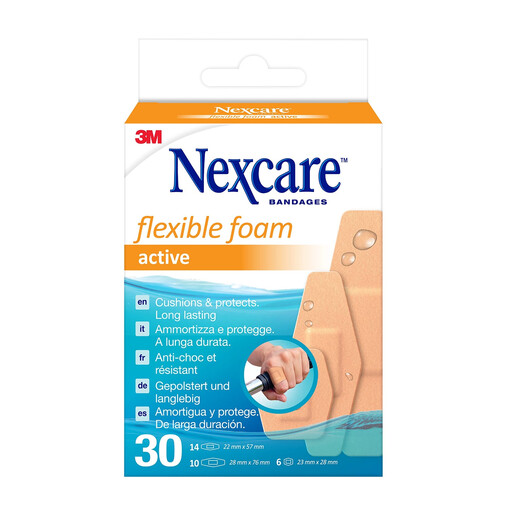
Why this choice suits this profile : Its foam material and diamond shape meet the needs of sports enthusiasts and people who regularly put their fingers, hands, knees or feet through their paces.
This is not simply a universal size: its shaped design is intended to cover difficult-to-protect areas, while the backing is described as flexible and water-resistant.
30 plasters in three sizes, a non-stick dressing and an adhesive designed to stay in place on damp skin, according to the product description.
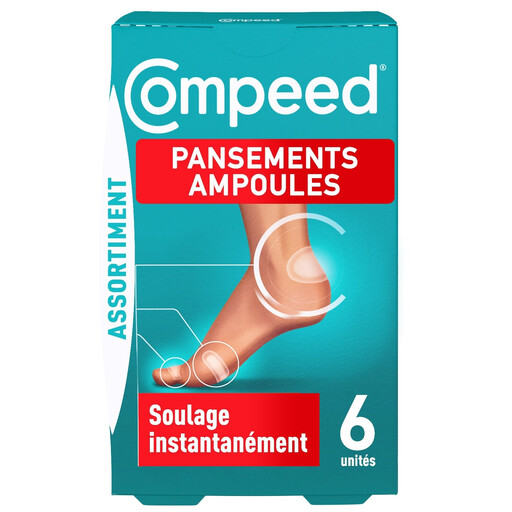
Why this choice suits this profile : This assortment includes medium, small and toe-specific sizes, making it easier to choose the right plaster for the affected area of the foot.
The hydrocolloid technology and three shapes help prevent you from treating a blister with a poorly fitting classic plaster. The skin must be clean and dry before application.
Six plasters, three sizes and hydrocolloid gel that forms a gel when it comes into contact with wound fluid, according to the product description.
We have put together a complete, real-time updated list of products that meet these strict selection criteria and European safety regulations.
Before applying a plaster, wash your hands, clean the small wound and carefully dry the surrounding skin. Apply the plaster without stretching it and smooth down the edges. Replace it as soon as it becomes wet, dirty or partially detached, always following the instructions provided.
Store plasters in a dry place away from heat and direct sunlight. Check the expiry date and make sure the packaging is intact before use. Class I medical devices must be used in accordance with the instructions provided.
A plaster is not suitable for a deep wound, bite, serious burn, infected wound or heavy bleeding. In these situations, seek medical advice promptly. If irritation persists, stop using the product and ask a healthcare professional for advice.
The duration depends on the product, where it is applied and the condition of the plaster. For a standard plaster, replace it if it becomes wet, dirty or loose. Some waterproof plasters claim to remain effective for up to 48 hours, but you should still check the skin and wound regularly.
For a finger, look for a specialist design or a stretchable material that moves in several directions. For a knee or elbow, a flexible, sufficiently large plaster, such as an XL size, will follow movement better than a small universal design. Applying it without creases is still essential.
No. They are mainly intended for blisters and certain minor superficial lesions, as specified in the instructions. They are not suitable for infected or deep wounds, or for injuries requiring medical attention. Read the manufacturer’s instructions and seek advice if you are unsure.