
Livraison le jour même ou le lendemain

Qualité garantie

Débloquez vos offres de bienvenue: Livraison GRATUITE | Jusqu'à -80 % | 30 jours d'essai gratuits à JoyPlus
Téléchargez l'application
Want to transform a room without committing to a major renovation? The adhesive wall panel has emerged as the ideal solution for effortless and budget-friendly wall decor. Whether you're creating an accent wall, modernising a headboard, or updating a backsplash, the promise is tempting. But be warned, not all options are created equal. Between adhesives that peel off after a few weeks and finishes that lack realism, disappointment is often just around the corner.
As the Head of Product Recommendations at Joybuy, my mission is to guide you through the jungle of options to make an informed choice. Here are the pitfalls to avoid and the essential criteria to ensure your renovation project is a complete success.
The market for adhesive wall coverings is vast, but certain recurring flaws can turn a dream project into a real headache.
To avoid these setbacks, focus on a few objective technical characteristics. They are the true guarantors of a product's quality.
The material of your panel directly influences its durability, maintenance, and appearance.
Be aware that an adhesive panel cannot be applied just anywhere. For lasting adhesion, the surface must be smooth, clean, dry, and non-porous. Avoid textured walls (stucco, heavily textured fibreglass), dusty or damp surfaces, or walls with peeling paint. As a precaution, always test on a small, inconspicuous area first.
For a stunning result, especially with the very trendy slatted wood wall panel, scrutinise the quality of the finish.
To illustrate these criteria, here is a selection of products that meet various needs and styles.
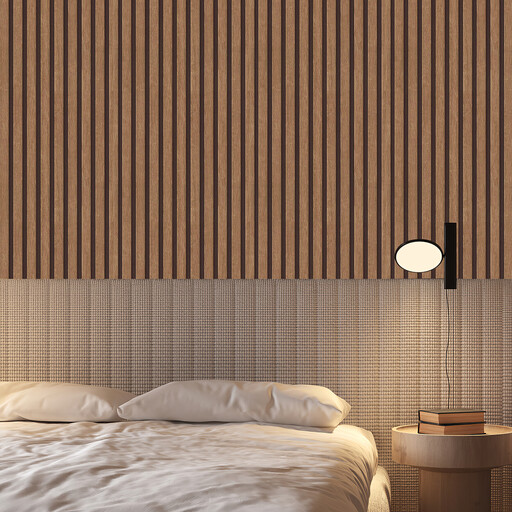
Why we love it: It's perfect for recreating the warm and trendy atmosphere of a slatted wall without the hassle of carpentry. Ideal for an accent wall behind a sofa or as a headboard.
Its vertical slat design provides structure and rhythm that sets it apart from a simple print. The PVC material ensures good durability and a much more controlled installation than with a thinner paper.
Made from premium-grade PVC, it is both durable and easy to clean. A major advantage for high-traffic areas like an entryway.
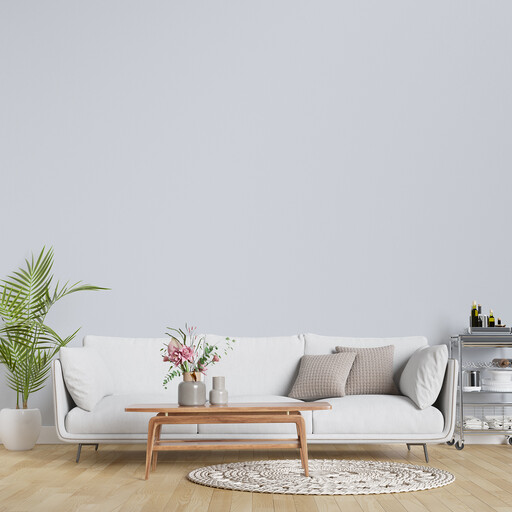
Why we love it: For modernising a space with a neutral touch of colour and a more sophisticated finish than simple paint. Perfect for an office, an entryway, or for upcycling furniture fronts.
Its subtle texture adds a discreet relief that makes all the difference compared to a simple flat sticker. This finish is also more forgiving: it hides minor daily scuffs better than a perfectly smooth surface.
Its PVC vinyl material is easy to maintain, and its very neutral light grey shade fits effortlessly into most contemporary decors.
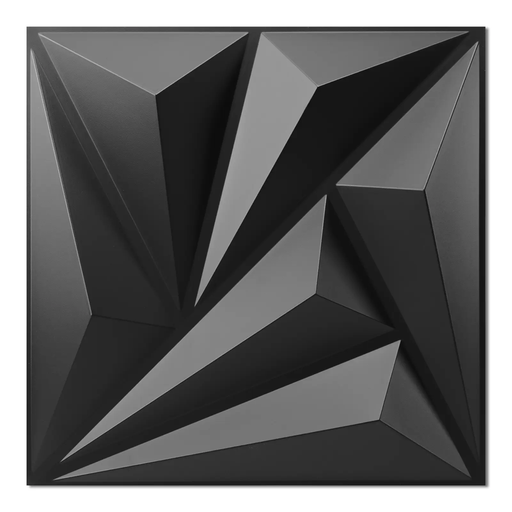
Why we love it: For those who want to create a spectacular focal point, full of texture and depth. The geometric pattern brings an immediate architectural character to a living room or office.
Unlike "3D effect" wallpapers, these are genuine rigid panels with a pronounced relief. The high-density PVC ensures a solid structure that creates real shadow play, far from a flat, artificial look.
These panels are water-resistant, allowing them to be installed in humid rooms like a bathroom (always out of direct contact with water) for a lasting designer look.
Discover our full selection of products that meet our quality criteria and current standards.
The lifespan of an adhesive wall covering depends on three factors: the quality of the product, the preparation of the surface, and the environment. On a well-prepared wall (smooth, clean, dry) and in a room with controlled humidity, a good quality PVC or vinyl product can last for several years without peeling.
Yes, but under certain conditions. Choose a model explicitly designed to be water-resistant, usually made of PVC. Absolutely avoid installing it inside a shower stall or on any surface exposed to direct and repeated water splashes. Also, remember to ventilate the room well to limit condensation.
For a clean removal, the secret is to gently heat the surface with a hairdryer. The heat will soften the glue and make peeling much easier. Pull gently and parallel to the wall, starting from a corner. If any glue residue remains, a little rubbing alcohol or an adhesive remover will usually take care of it. Just remember to test on an inconspicuous area first.