
Livraison le jour même ou le lendemain

Qualité garantie

Débloquez vos offres de bienvenue: Livraison GRATUITE | Jusqu'à -80 % | 30 jours d'essai gratuits à JoyPlus
Téléchargez l'application
Want to transform a room without committing to endless, expensive renovations? Adhesive wall covering is emerging as the perfect solution for a quick makeover. But be warned: behind the promise of easy wall decor, major disappointments often lie in wait. An adhesive that peels off after a few weeks, a cheap-looking finish, or a damaged wall upon removal… the pitfalls are numerous.
As expert editors, our mission is to break down the market to help you sort through the options. Let's scrutinize the key points to find that hidden gem that will truly transform your interior, without any nasty surprises.
Before you click "Buy," keep these three recurring problems in mind that can turn your decor project into a total nightmare.
To avoid falling into these traps, focus on these three technical parameters that are hallmarks of a covering's quality and durability.
The material has a direct impact on the product's appearance, durability, and maintenance.
The effectiveness of an adhesive covering is 50% the product and 50% the surface it's applied to.
To avoid the "plastic" look, thickness is an excellent indicator. A quality adhesive tile will be several millimetres thick and have a gel layer on the surface to simulate the shine and relief of real ceramic. A simple wall sticker will be very thin, while a high-quality self-adhesive wallpaper will have a certain body and a texture that is perceptible to the touch (linen effect, grained, etc.).
To help you see more clearly, here are a few options that meet specific needs.

Why it's a great fit: Ideal for creating a themed world in a child's room or playroom. The playful pattern stimulates the imagination, and its self-adhesive nature allows you to transform an accent wall in the blink of an eye.
This isn't a small, isolated sticker but a true wallpaper that covers the entire surface, offering an immersive result rather than a simple decorative add-on. Its ease of removal is a key point for decor that evolves with the child.
Ultra-simple "peel and stick" application for maximum visual impact. Perfect for a kids' room wallpaper project you can complete over a weekend.
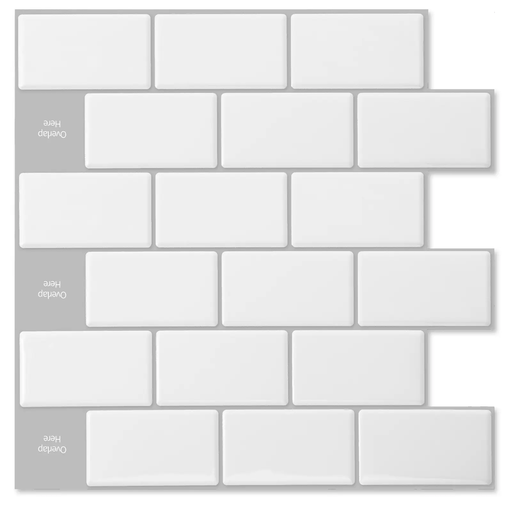
Why it's a great fit: Specially designed for demanding areas like the kitchen or bathroom. It's the perfect solution for a no-fuss kitchen makeover, offering the look of subway tile without the complex installation.
This product combats the "plastic" effect thanks to its thick gel texture, which creates real 3D depth, perfectly mimicking the look of ceramic. Its high-performance adhesive is designed to withstand humidity and heat.
Durable material treated to prevent yellowing. The thickness and texture offer a stunning visual result, very close to real tile, making it a truly convincing adhesive tile option.
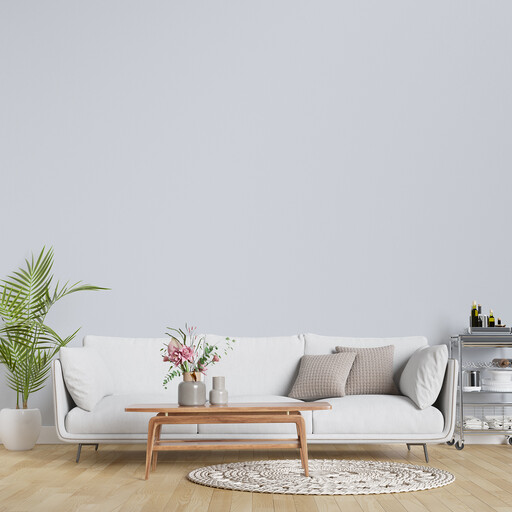
Why it's a great fit: For those who want to refresh a large area (living room wall, hallway, closet doors) without breaking the bank. The roll format is very economical for covering several square metres with a modern, neutral style.
The light grey finish with a subtle texture avoids the flat, cheap look of a simple solid vinyl. This discreet texture adds a touch of class that distinguishes it from a low-end solution and even forgives minor wall imperfections.
Excellent value for the coverage area. The PVC vinyl material is durable and washable, ensuring good longevity for a minimal investment. The grid on the back makes straight cuts easy—a game-changing detail!
We have selected a full range of products that meet our quality requirements and current safety standards.
1. Can you really put an adhesive wall covering in a bathroom? Yes, provided you choose the right model. Opt for a covering specifically designed for humid rooms, like an adhesive tile made of PVC or thick vinyl. Ensure the surface is perfectly clean and dry before application and avoid areas of direct water spray (like inside the shower). It's also advisable to seal the edges with clear silicone caulk for maximum protection.
2. How do you remove self-adhesive wallpaper without damaging the wall? For a clean removal, gently heat the surface with a hairdryer on a low setting. The heat will soften the glue and make it easier to peel off. Pull gently and parallel to the wall, starting from a corner. Most importantly, do not pull sharply towards you. For any remaining glue residue, a cloth soaked in a little vegetable oil or a gentle adhesive remover will do the trick. Always test on a small, inconspicuous area first.
3. Wall sticker vs. adhesive tile: what's the difference? The main difference lies in thickness, texture, and use. A wall sticker is a thin, cut sheet of vinyl, primarily decorative and very easy to apply and remove. An adhesive tile, on the other hand, is a much thicker product, often with a 3D gel layer, designed to imitate real tiles and withstand tougher conditions (humidity, moderate heat, frequent cleaning). Its purpose is to enable a more durable renovation.