
Livraison le jour même ou le lendemain

Qualité garantie

Débloquez vos offres de bienvenue: Livraison GRATUITE | Jusqu'à -80 % | 30 jours d'essai gratuits à JoyPlus
Téléchargez l'application
Adhesive wall covering has emerged as the go-to solution for transforming an interior without committing to major renovations. Whether you're looking to modernise a kitchen, refresh a bathroom, or simply create an accent wall, the promise is alluring: a quick, cost-effective, and often reversible makeover. But be warned—the market is flooded with products of wildly inconsistent quality, and it's easy to fall into common pitfalls that can turn a promising DIY decor project into a real disappointment.
To ensure you don't get caught out, here are the three most frequent issues:
Identifying these problems is the first step. The second is knowing which technical criteria to check to make an informed purchase.
To avoid buyer's remorse, focus on these three technical aspects that determine the success of your project.
The choice of material is crucial: it dictates the look, resilience, and the rooms where you can install your covering.
The golden rule for any adhesive covering installation is simple: the surface must be smooth, clean, dry, and non-porous. Dust, grease, or flaking paint will prevent proper adhesion. If your walls are textured (like popcorn or stippled finishes), the adhesive won't be able to bond uniformly. In this case, light sanding followed by a primer may be necessary. For surfaces like existing tile, a deep cleaning of the grout lines is essential before applying an adhesive PVC wall tile.
Before buying, measure the surface area precisely and always add an extra 10% margin for cuts and potential mistakes. For patterned wallpapers, check the product details for information on the pattern repeat. Our advice: buy all the rolls you need in a single purchase. This is the only way to guarantee they come from the same production batch, saving you from unpleasant surprises with colour variations.
To illustrate our points, here are a few products that meet these criteria, each tailored to a specific need.
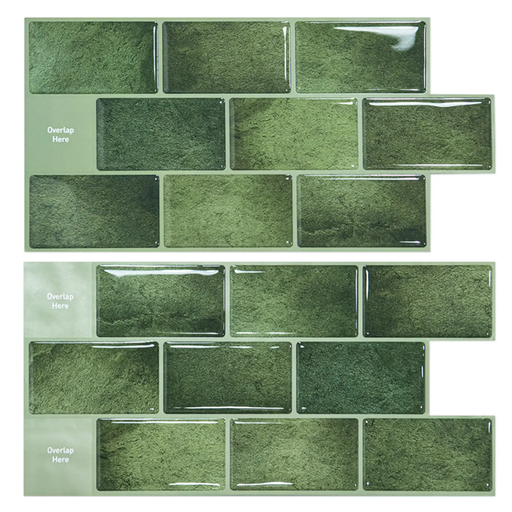
Who is it for? Ideal for those who want to modernise a kitchen or bathroom backsplash without significant expense or complex work. Perfect for renters or for a quick refresh before selling.
The 3D epoxy gel layer provides a realistic texture and shine, a far cry from cheap, flat prints. Its vinyl is designed to resist humidity and can be wiped clean with a sponge.
Textured finish that mimics real tile. Resistant to water and moderate heat from a hob. Simple, tile-by-tile installation.
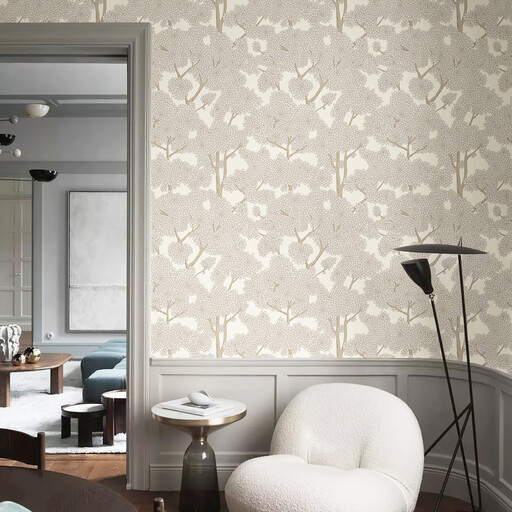
Who is it for? For anyone wanting to create a sophisticated accent wall in a living room, bedroom, or entryway. The goal is to achieve a strong, cohesive visual impact over a large area.
The long-roll format (over 5 metres) minimises the number of seams and thus the risk of misalignment. The higher-quality PVC vinyl is thicker, which facilitates a smooth, bubble-free application.
Timeless grey botanical pattern that is easy to coordinate. Grid on the backing paper for straight, precise cuts. Washable surface for easy maintenance.
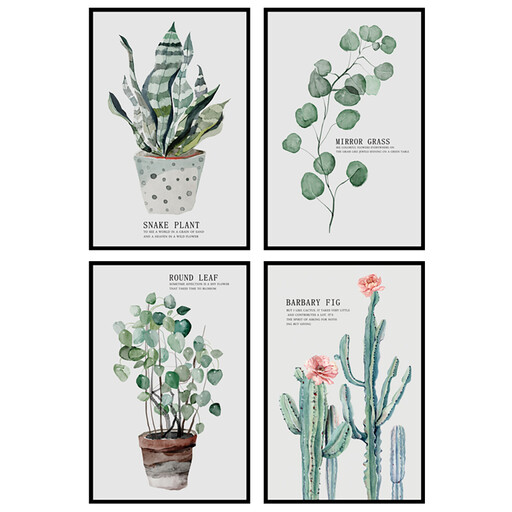
Who is it for? Perfect for adding a personal, artistic touch to a wall, door, or piece of furniture without committing to a full renovation. A low-cost solution for testing a decor idea.
As a single decorative wall sticker, there are no issues with pattern matching or colour variation. The financial risk and commitment are minimal, making it an excellent entry point into adhesive decor.
Extremely simple and quick to apply. Immediate visual impact for personalising a space. Easy to remove if you change your mind.
Discover our full selection of products that meet our quality criteria and safety standards.
1. Do adhesive wall coverings damage walls upon removal? Most quality coverings are designed to be removed without leaving residue or damaging paint that is in good condition. The trick for an easy removal: gently heat the surface with a hairdryer. The adhesive will soften, allowing you to peel the covering off smoothly. On fragile walls or with poor-quality paint, there is always a risk of damage.
2. Can you apply an adhesive covering over existing tile? Yes, this is one of its most popular applications, especially for kitchen backsplashes or bathroom walls (outside of direct shower areas). The only condition is that the tile must be perfectly clean, degreased, and dry. Tile or panel adhesives are particularly effective at hiding grout lines and giving the illusion of a completely new surface.
3. What is the lifespan of an adhesive wall covering? Longevity depends on the product's quality, the installation conditions, and the environment. A high-quality vinyl, applied to a suitable surface in a dry room, can last for several years without any issues. In a humid room like a bathroom, or near a heat source, its lifespan will inevitably be shorter. To maximise it, follow the manufacturer's instructions scrupulously—it's your best guarantee.