
Livraison le jour même ou le lendemain

Qualité garantie

Débloquez vos offres de bienvenue: Livraison GRATUITE | Jusqu'à -80 % | 30 jours d'essai gratuits à JoyPlus
Téléchargez l'application
An adhesive tape might seem simple to choose. Yet the material, width, level of adhesion and intended use can dramatically change the result. A packing tape will never replace an electrical insulation tape, just as a double-sided tape won't necessarily be suitable for an exterior wall.
Before placing an order, individuals, tradespeople, electricians, plumbers, offices and warehouses should particularly avoid three common mistakes.
A tape can stick instantly to a clean surface, then peel off due to dust, moisture, temperature changes or UV rays. A strong initial grip does not guarantee the product will hold outdoors or for permanent fixing.
For an exterior adhesive tape, check in black and white its resistance to weather, rain and ultraviolet rays. A temporary repair can make do with a tape suited to that purpose. However, a leak requires a sealing product specifically designed to handle it.
The capacity of a double-sided tape depends on many factors: the weight of the object, orientation, temperature, condition of the surface and duration of contact. The load stated by the manufacturer will not necessarily be the same on an uneven painted wall, a dusty window or a damp surface.
Surface preparation remains crucial: it must be stable, dry, clean, degreased and free of any dust. For a heavy fixing or one subject to vibrations, keep a safety margin and opt for a mechanical fixing when the situation demands it.
An electrical insulation tape is designed to protect and bundle conductors. It must not be replaced by a packing tape or a clear adhesive. Similarly, a butyl tape is suitable for caulking and sealing, but does not replace a compliant plumbing fitting or a structural repair.
Width directly affects the surface area covered. A 19 mm tape is sufficient for small fixings or protection. For a pipe, roof or wide joint, a width of 50 mm or even 100 mm helps reduce the number of overlaps.
Choose the product based on the intended use:
Check the length, width, thickness and number of rolls. For electrical work, look for indications regarding voltage, flame resistance and, where the manufacturer claims it, reference to the IEC 60454-3-1 standard. Also check the CE marking on the packaging and in the available documentation. This does not, however, exempt you from consulting the product's usage limits.
Always cut off the power supply before working on a cable. The tape must not be used to conceal a faulty installation or to work on a live conductor.
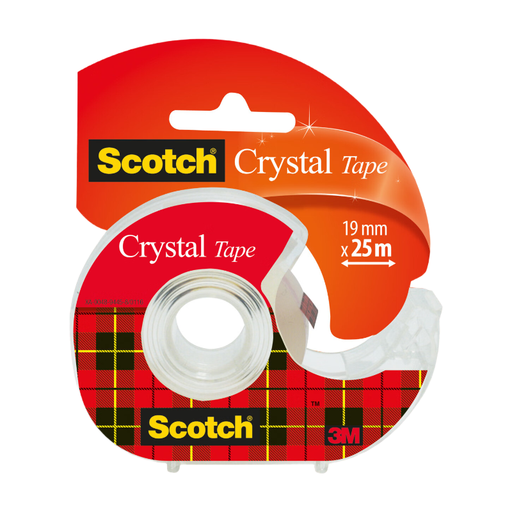
Why this choice suits this profile: A versatile format for small packing jobs, protecting labels and everyday repairs around the house.
Its 25 m length and manual dispenser prevent you from ending up with a roll that is too short or having to fetch the scissors.
A 19 mm clear tape, stated permanent adhesion and manual dispensing.
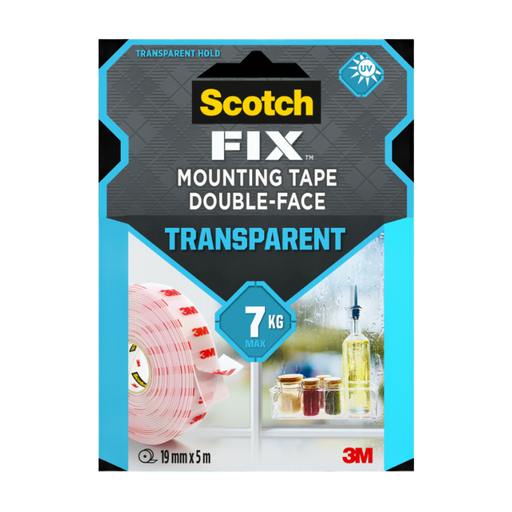
Why this choice suits this profile: A discreet solution for decoration, glass, metal, tiles and certain painted surfaces.
Its specifications detail the compatible surfaces as well as its UV and heat resistance, rather than relying on a vague promise.
A 5 m x 19 mm format, a translucent finish and a stated load capacity of up to 7 kg depending on application conditions.
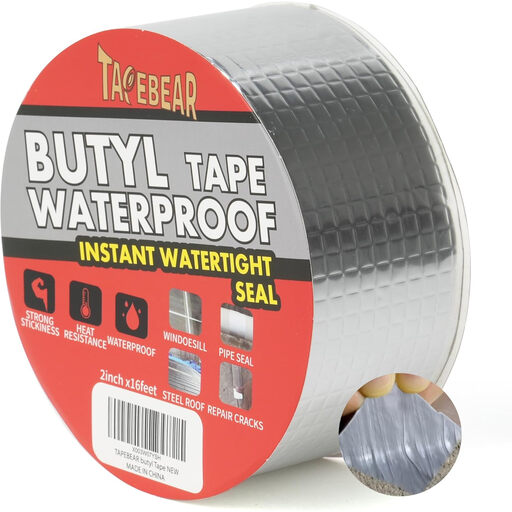
Why this choice suits this profile: It is intended for sealing repairs on windows, roofs, leisure vehicles, boats, pipes and ventilation systems.
The product page specifies that the surface must be clean and dry, and that the tape must be kept out of the rain for 24 hours.
Butyl rubber, a width of 50 mm, aluminium foil reinforcement and a stated temperature range of −40 °C to 80 °C.
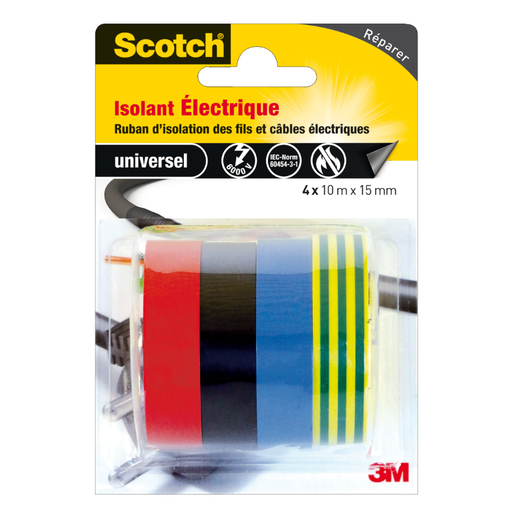
Why this choice suits this profile: An electrical insulation tape for bundling, protecting and identifying conductors.
The product page mentions a flame-retardant material and the IEC 60454-3-1 reference. These details should be checked on the packaging before use.
Multiple colours for identifying circuits and 10 m of tape per roll.
We have compiled a comprehensive list, updated in real time, of products that meet these demanding selection criteria and European safety regulations.
A packing tape in BOPP, approximately 48 to 50 mm wide, is generally suitable for sealing boxes. For regular use, compare the total length, thickness and whether a dispenser is included. Choose a brown or clear roll depending on whether you want to hide or leave labels visible.
Store the rolls in a dry, temperate place away from sunlight. Before applying, clean and dry the surface thoroughly. With an exterior or butyl tape, respect the recommended holding time and avoid any application on a damp surface. Check the edges regularly, especially in areas exposed to friction, water or temperature changes.
No. Glass, metal, tiles and certain painted surfaces can be suitable, depending on the product page's specifications. Conversely, powdery, damp, greasy or crumbly walls significantly reduce adhesion. For a heavy load, check the stated limit and first test on a small, inconspicuous area.