
Livraison le jour même ou le lendemain

Qualité garantie

Débloquez vos offres de bienvenue: Livraison GRATUITE | Jusqu'à -80 % | 30 jours d'essai gratuits à JoyPlus
Téléchargez l'application
An adhesive tape can be used to wrap a parcel, secure a covering, protect a surface before painting, repair an item or make a step safe. Yet choosing solely by colour or price can lead to premature peeling, stubborn residue or insufficient grip.
Just because a tape sticks firmly doesn’t mean it’s suitable for every surface. A double-sided tape designed for carpet won’t meet the same demands as an outdoor tape exposed to rain and UV rays. Similarly, a polypropylene packing tape will never replace a repair tape or a butyl tape.
Temperature, humidity, friction and sun exposure all have a direct impact on how well a tape performs. A masking tape intended for short-term use can leave marks if left in place too long. Conversely, a PVC electrical insulation tape meant for indoors may not be suitable for a damp or outdoor environment.
A longer roll is only worthwhile if its width, thickness and backing match your project. To compare two options, check the actual quantity available, the number of rolls, whether a dispenser is included, and the recommended storage conditions.
The width determines both coverage and ease of application. A roll of 19 to 25 mm is suitable for small repairs, masking or targeted fixings. For a floor covering, a width of 50 mm can help distribute the adhesive more evenly.
For outdoor fixing, only rely on the stated load capacity if the manufacturer’s conditions are met: a stable surface, clean substrate, sufficient pressure and proper curing time. Dynamic loads, porous surfaces or wide temperature fluctuations can reduce performance.
Degrease and thoroughly dry the surface before application. Avoid applying adhesive tape to a dusty, damp, crumbly or freshly painted surface without testing it first. With a butyl tape, protect the application from rain for the period specified by the manufacturer. For a non-slip tape, press firmly along the entire length and check the edges in the hours following application.
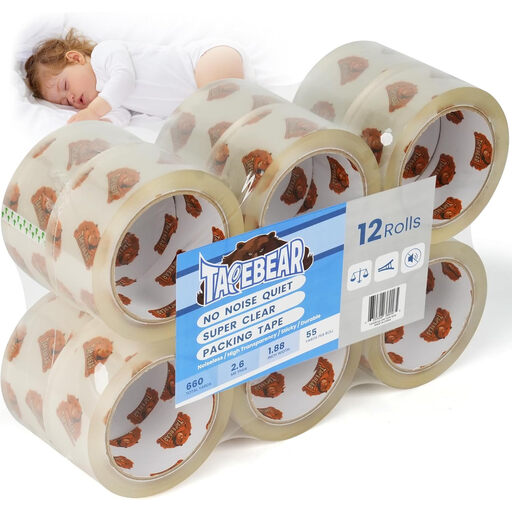
Why this choice suits this profile: This multi-pack of rolls is ideal for house moves, home organisation and regular postage. Dispensers are included, according to the product listing.
The multi-pack format means you won’t need to buy tape too often. Its dimensions of 48 mm × 50 m also make it easy to compare the quantity available.
Transparent BOPP film, 48 mm width and a stated thickness of 66 microns.
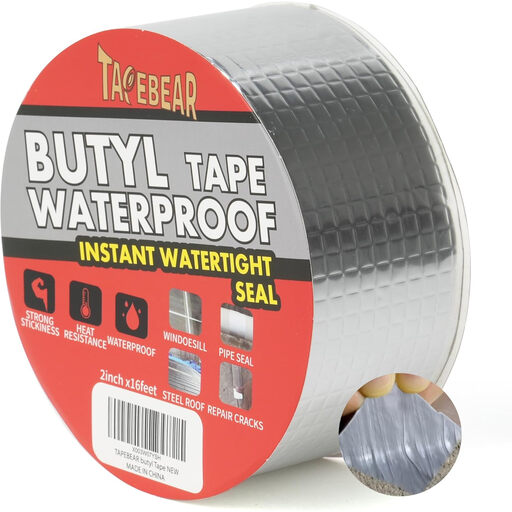
Why this choice suits this profile: This sealing tape is designed for repairs on campervans, windows, boats, pipes or joints exposed to the elements.
The listing clearly states its butyl rubber composition, 50 mm width and the need for application on a clean, dry surface.
5 m roll, aluminium PET backing and a stated temperature range of −40 °C to 80 °C.
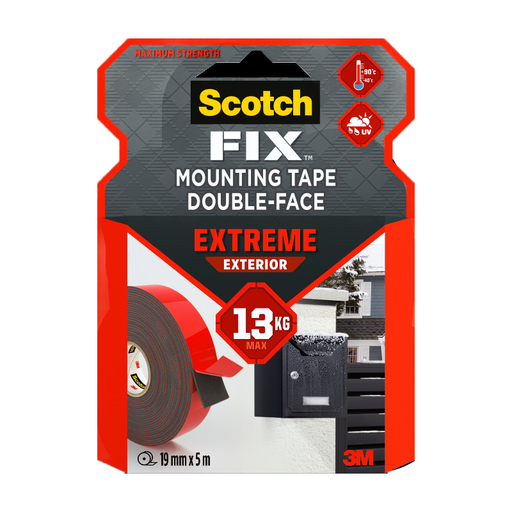
Why this choice suits this profile: This product is aimed at outdoor fixings when you want to avoid drilling and enjoy good weather resistance, all in a 19 mm width.
The stated capacity of 13 kg should be treated with caution and the manufacturer’s conditions must be strictly followed.
5 m roll, black double-sided adhesive and stated resistance to rain, sun and UV.
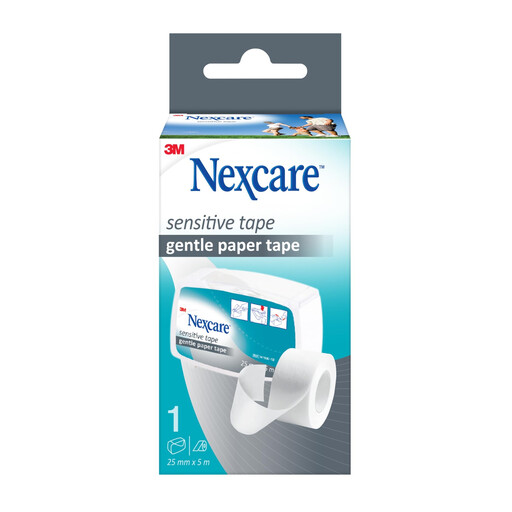
Why this choice suits this profile: This medical tape is used to hold compresses or dressings in place on the skin, especially when being able to tear it by hand is convenient.
Its medical use is clearly defined. It should not be confused with a DIY tape or applied directly to an open wound.
25 mm width, 5 m length, transparent material, breathable and latex-free, according to the product listing.
We’ve put together a comprehensive, real-time selection of products that meet these strict criteria as well as European safety regulations.
Clean, degrease and then dry the surface. Apply the tape without repositioning it and press firmly and evenly along its entire length. Also follow the application temperature, curing time and load limits stated on the packaging.
It depends on its composition and storage conditions. Keep rolls in a cool, dry place away from sunlight and moisture. Replace any tape that has become brittle, dried out, or whose adhesive shows uneven marks.
For sealing, look for a waterproof adhesive tape or a butyl tape compatible with your surface. To reduce the risk of slipping, choose a non-slip tape designed for indoor or outdoor use. In all cases, check the approved surfaces and never apply the product to an unstable surface.