
Livraison le jour même ou le lendemain

Qualité garantie

Débloquez vos offres de bienvenue: Livraison GRATUITE | Jusqu'à -80 % | 30 jours d'essai gratuits à JoyPlus
Téléchargez l'application
A box of adhesive plasters may seem interchangeable… until the day a plaster comes off in the shower, restricts the movement of a finger or irritates sensitive skin. To avoid buying the wrong product, it is better to look beyond the number of pieces and the appearance of the packaging.
A simply water-repellent plaster will withstand a few splashes, but not necessarily a prolonged shower or swimming. Waterproof plasters generally use a more watertight film and adhesive that covers the edges more effectively. Even so, always check the manufacturer’s precise instructions and replace the plaster if it is damp, coming loose or dirty.
A plaster that is too short leaves the wound exposed, while one that is too wide may crease and come loose. Fingers, joints and heels need shapes or materials that can follow movement. An assortment of sizes is often more practical than a box containing just one size.
Hypoallergenic plasters are designed to reduce the risk of irritation, but this label does not guarantee that everyone will avoid a reaction. The composition of the adhesive, how long the plaster is worn and the condition of the skin also play a part. If redness, itching or discomfort persists, remove the plaster.
For plasters for minor wounds, the pad should cover the entire area without sticking directly to the injury. A non-stick layer makes removal easier and reduces the risk of reopening a superficial wound. The adhesive edges, meanwhile, should remain on clean, dry skin.
Breathable plasters help air circulate around the skin, while elastic plasters follow movement more easily. For a finger, knee or joint, look for a stretchy material and a shape that will not crease. Anyone sensitive to latex may prefer products that clearly state “latex-free”.
Hydrocolloid plasters designed for blisters contain a gel that absorbs exudate and creates a protective layer over the area. They are not suitable for every type of injury and should not be used on an infected wound. For an open blister, gently clean the area before applying the plaster, in accordance with the instructions in the leaflet.
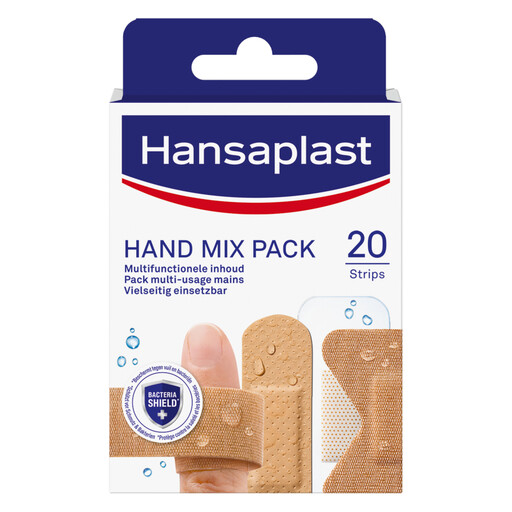
Why this choice suits this profile : this pack contains 20 plasters in five formats, including finger plasters, waterproof versions and butterfly shapes for joints.
The assortment helps you avoid using a large plaster on a small cut or a format that is unsuitable for a finger.
20 pieces, five sizes and several materials, including a model advertised as 100 % waterproof.
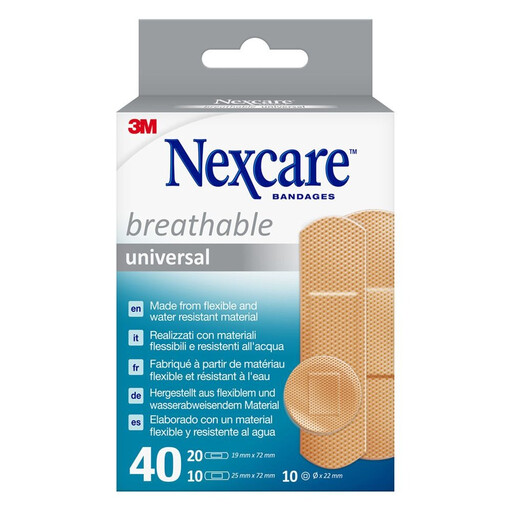
Why this choice suits this profile : with 40 pieces and its stretchy material, this assortment is ideal for a family first-aid kit that is used regularly.
The product details mention a non-stick pad, as well as breathable, water-resistant material, without promising complete waterproof protection.
20 pieces measuring 19 × 72 mm, 10 measuring 25 × 72 mm and 10 round plasters measuring 22.5 mm.
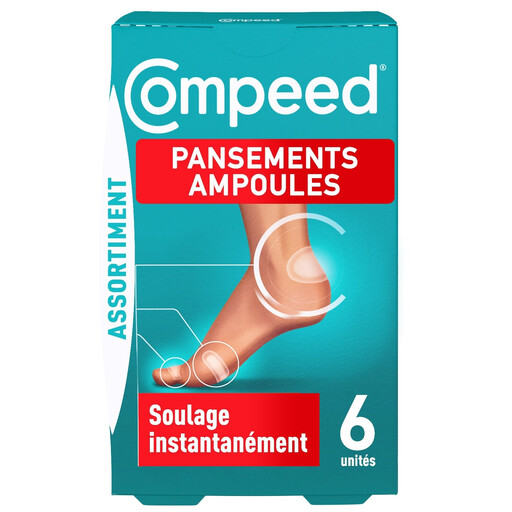
Why this choice suits this profile : walkers, sports enthusiasts and anyone prone to friction can choose from formats suitable for small and medium blisters, as well as blisters on the toes.
Choose the format according to the area affected by friction, rather than using a standard plaster that could quickly come loose.
Six hydrocolloid plasters: two medium, two small and two designs for toes.
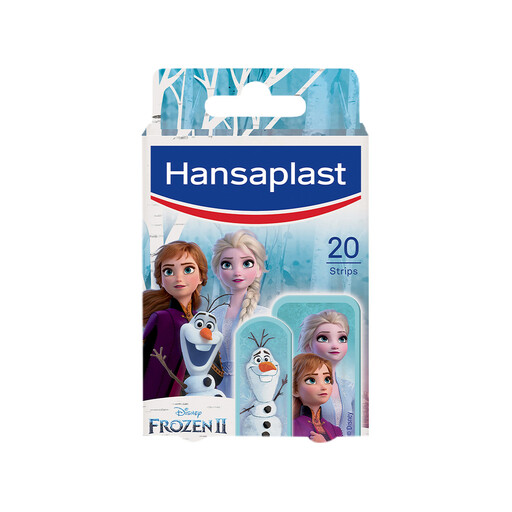
Why this choice suits this profile : Disney Frozen designs can help a child feel more comfortable receiving treatment for a minor graze.
The designs are not the only consideration: the product details also mention flexible, water-resistant material and two sizes.
20 pieces, including 14 small and 6 large plasters, advertised as waterproof and designed to follow movement.
We have brought together a comprehensive, real-time selection of products that meet these demanding criteria while complying with European safety regulations.
A plaster is generally intended for single use. Do not apply it to a deep or infected wound, a heavily bleeding injury, a bite or a serious burn. If the wound does not improve or shows signs of infection, seek advice from a healthcare professional.
This depends on the product and the condition of the plaster. With standard models, replace it as soon as it becomes wet, dirty or loose. Some plasters are designed to be worn for longer, but you should follow the instructions in the leaflet and monitor the condition of your skin.
Yes, products advertised as waterproof are designed to protect against water, within the limits specified on their packaging. Dry the area around the plaster after showering and replace it if the adhesive no longer provides a proper seal.
Choose a latex-free product where this feature is stated, with a soft, breathable material and an adhesive designed to help limit reactions. Remove the plaster immediately if irritation occurs and seek medical advice if the symptoms persist.