
Livraison le jour même ou le lendemain

Qualité garantie

Débloquez vos offres de bienvenue: Livraison GRATUITE | Jusqu'à -80 % | 30 jours d'essai gratuits à JoyPlus
Téléchargez l'application
A kitchen cut, a graze after a bike ride or a blister caused by new shoes will not necessarily need the same type of plaster. Yet boxes often contain a mixture of sizes and make broad claims that do not suit every use.
The Joybuy Product Recommendation Officer’s selection is based on practical criteria: size, adhesion, moisture resistance, comfort and skin compatibility. Here are the points to check before buying adhesive plasters for minor wounds.
A plaster described as water-resistant will generally cope with splashes and brief exposure to moisture. This does not mean it will remain completely watertight during a long shower or while swimming.
If the wound needs protecting in the shower, look for a model that clearly mentions a waterproof backing, a non-stick wound pad and fixation on all four sides. How well it stays in place also depends on preparing the skin: it should be clean and completely dry before application.
A standard plaster can quickly come loose on a finger, joint or heel. Repeated movement creates creases and puts the adhesive edges under strain.
Finger plasters, elastic models and shapes designed for joints are better suited to these areas. For everyday use, check for stretchy, breathable material rather than relying solely on the word “flexible”.
Not all sensitive skin reacts to adhesives in the same way. The term hypoallergenic indicates a design intended to reduce the risk of an allergic reaction, but it does not guarantee that every user will be reaction-free.
If you have a known latex allergy, choose a product that clearly states latex-free. Remove the plaster if persistent redness, itching or irritation develops.
For everyday minor cuts and grazes, an assortment of different sizes helps prevent wasting an oversized plaster. Models specially designed for fingertips fit the area better and follow movement more naturally.
For blisters, it is important to distinguish between preventing an injury and treating one that has already formed. An anti-friction strip is applied to intact skin before activity. It does not replace a plaster intended to cover an existing wound. Blister plasters and protections for corns and hard skin therefore meet different needs.
Good adhesion keeps the plaster in place, but an adhesive that is too aggressive can make removal painful or irritating. Micro-aerated backings encourage air circulation around the covered area, while stretchy fabrics follow movement without pulling too much on the skin.
Elastic plasters are suitable for fingers, knuckles and mobile areas. To hold a wound pad in place, choose a micro-perforated or woven medical adhesive tape, applied to dry skin and never directly to an open wound.
When dealing with a medical device, check for the CE marking, as well as instructions in French, precautions for use, the batch number and the expiry date.
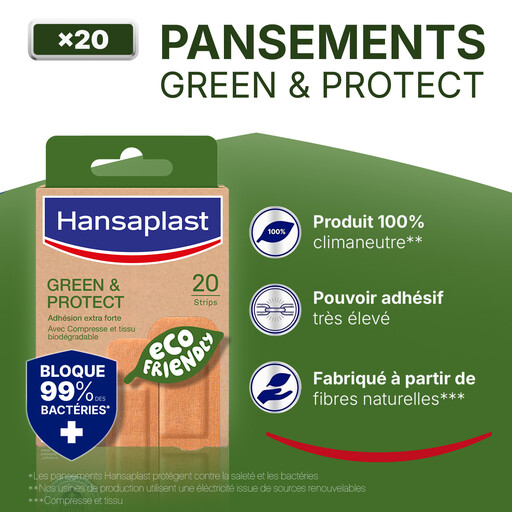
Why this choice suits this profile : This assortment of 20 plasters in two sizes is easy to keep at home for everyday minor injuries.
The two sizes help reduce waste, while the water-resistant woven backing covers everyday needs.
20 plasters, natural fibres, dermatologically approved skin compatibility and stated latex-free construction.
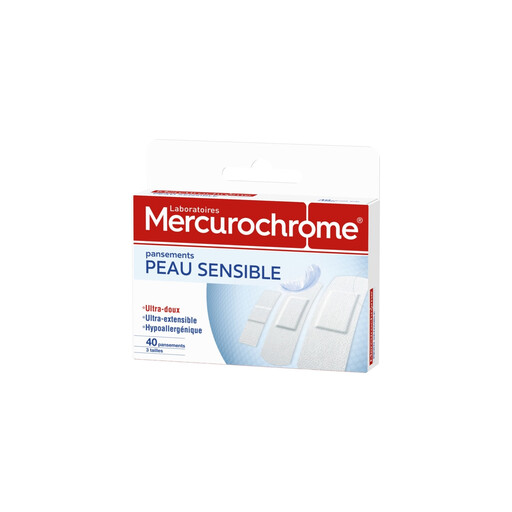
Why this choice suits this profile : Comfort-focused users benefit from three sizes and a stretchy fabric suitable for different areas of the body.
The hypoallergenic claim is paired with ultra-soft, breathable material, without claiming to eliminate every individual reaction.
40 plasters, three sizes, ultra-soft non-woven fabric and adhesive designed to reduce the risk of allergic reactions.
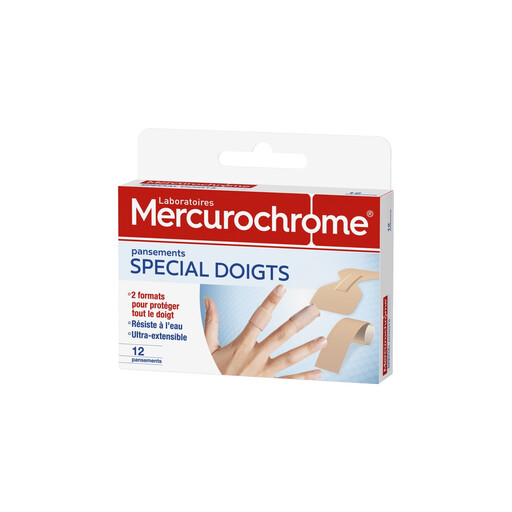
Why this choice suits this profile : Its ergonomic shape follows the movement of fingers that are heavily used during gardening, sport or DIY.
The ultra-stretchy material helps prevent creases on the fingers, while the water resistance suits activities involving exposure to moisture.
12 plasters in two sizes, micro-aerated material and a recommendation to replace after getting wet or dirty.
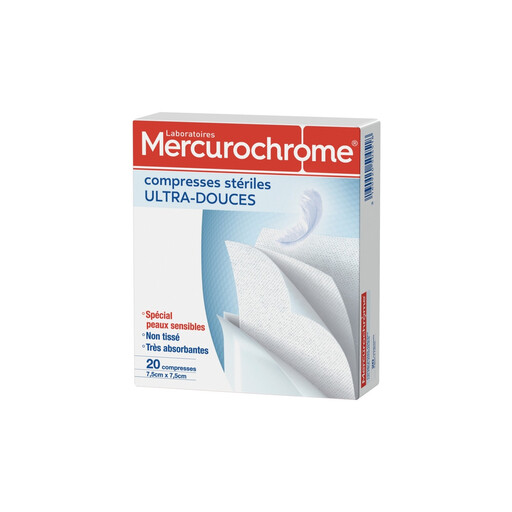
Why this choice suits this profile : Individual sachets make them easy to store in a family or travel first-aid kit.
Individual packaging preserves sterility until opening, unlike a box that has been left open.
20 wound pads measuring 7.5 × 7.5 cm, ultra-soft non-woven texture and absorbency stated on the product page.
We have brought together a complete, real-time-updated selection of products that meet these demanding criteria and European safety requirements.
For an open blister, deep wound, bite, serious burn, persistent bleeding or signs of infection, seek medical advice. Protections for corns and hard skin are generally applied to intact skin and do not treat the underlying cause of the problem.
Change it as soon as it becomes wet, dirty or poorly secured. For a minor wound, the instructions often recommend changing it daily, but the manufacturer’s guidance should always take priority. A sterile wound pad must be disposed of after opening and use.
An ergonomic, stretchy and water-resistant model is better suited to fingers than a standard rectangular plaster. For a highly mobile joint, also choose breathable material and fastening that properly wraps around the area.
They are designed to reduce the risk of a reaction, but this claim does not remove the need to check the ingredients. If you have a latex allergy, choose a product that clearly states “latex-free” and stop using it at the first sign of irritation.