
Same-day & Next-day Delivery

Quality Guaranteed

Unlock Your Welcome Offers: FREE Delivery | Up to 80% OFF | Free 30-day JoyPlus trial
Download the APP
A cut in the kitchen, a blister after a walk or a grazed finger will not necessarily need the same type of plaster. Yet packaging often relies on general claims such as ‘maximum protection’, ‘second skin’ or ‘water-resistant’, without explaining the limits of these promises.
Before buying adhesive plasters, there are three pitfalls to watch out for:
For a superficial wound on the arm or leg, a suitably sized plaster with a centrally positioned pad will generally cover the area without sticking directly to the wound.
Finger plasters should follow the shape of the finger and stay in place when it is bent. Models designed for fingertips or joints are therefore more practical than a standard format. For knees, elbows and knuckles, choose stretch plasters or backings with multi-directional elasticity.
For corns and hard skin, the need is different: the main aim is to reduce rubbing and pressure from footwear. A foam cushion may be suitable for intact skin, while a plaster containing an active ingredient should be used with greater care.
Fabric plasters made from cotton and polyamide are flexible and well suited to everyday movement. A micro-aerated backing encourages air circulation around the covered area, which may improve comfort, but this does not constitute a medical guarantee.
Micro-perforated adhesive tape is used in particular to hold a sterile dressing in place or secure a plaster on a difficult area. However, check whether it should be applied over a dressing rather than directly to an open wound. For sensitive skin, look for clear information about the non-woven backing, the softness of the material or the absence of natural latex, if this is important to you.
Waterproof or water-resistant plasters are suitable for washing your hands, doing household chores and occasional exposure to moisture. A firmly adhesive edge around the perimeter helps prevent water and dirt from getting in, provided it is applied to clean, completely dry skin.
A plaster that is wet, dirty or coming unstuck should be replaced. Always check the instructions and packaging for the manufacturer’s precise recommendations.
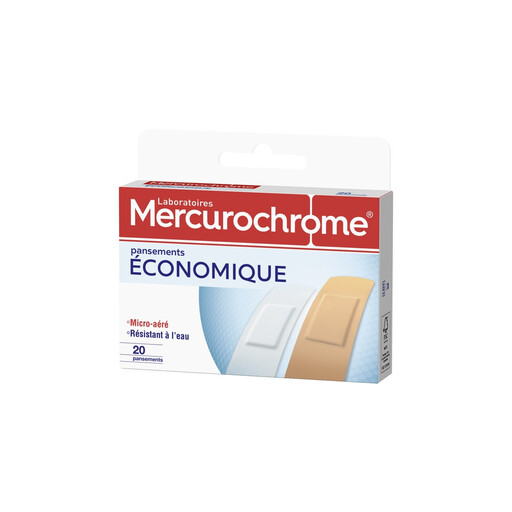
Why this choice suits this profile : This pack of 20 plasters is an easy addition to a family first-aid kit for everyday minor cuts and grazes.
It combines water resistance with a micro-aerated backing. The plaster should still be replaced if it becomes wet or dirty.
20 plasters, a flexible texture, a micro-aerated backing and suitability for superficial wounds.
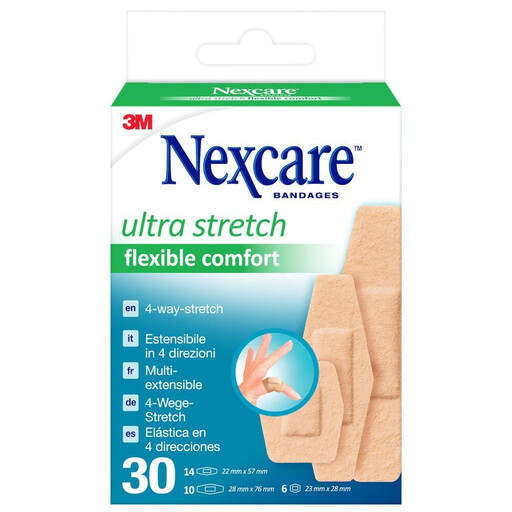
Why this choice suits this profile : If maintaining a good range of movement is important to you, this format is suitable for knuckles, elbows and areas subject to frequent movement.
Its four-way stretch material avoids the drawbacks of a rigid plaster, which could come unstuck as you move.
30 plasters, 360° edge protection, stretch material and stated absence of natural latex.
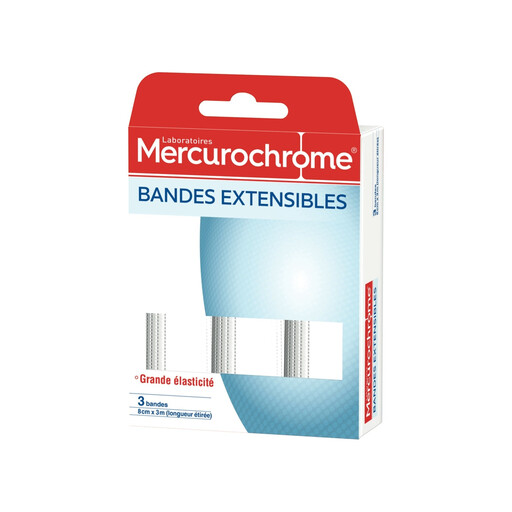
Why this choice suits this profile : This solution is suitable for holding a dressing in place on fingers, wrists or ankles, particularly when standard adhesive plasters do not stay put.
It does not rely solely on an adhesive surface: it is placed around a dressing and can be hand-washed, in accordance with the instructions provided.
Three strips, stated composition of 52 % polyamide and 48 % cotton, in a format suited to difficult areas.
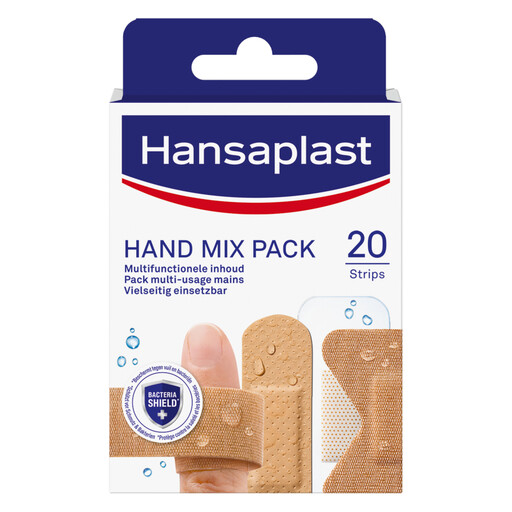
Why this choice suits this profile : With several formats to hand, you can deal with common situations without buying separate plasters for fingers, joints or minor wounds.
The five stated formats mean you do not have to force a standard plaster onto a joint or fingertip.
20 plasters, including finger models, universal, stretch, waterproof and butterfly versions.
We have put together a complete, live-updated list of products that meet these demanding selection criteria and European safety standards.
Before applying an adhesive plaster:
Salicylic acid plasters for corns and hard skin should not be confused with simple protection against rubbing. The Hansaplast model featured contains 35 % salicylic acid and comes with specific precautions, particularly for people with diabetes or circulatory problems. If in doubt, ask a healthcare professional for advice.
A washable elastic band should never be tightened enough to cause numbness, tingling or a change in colour. It is designed to hold a dressing in place or protect an area, but it is not a substitute for medical attention in the event of a serious injury.
For a minor injury, replace it as soon as it becomes wet, dirty or comes unstuck. Many products recommend changing it daily, but the instructions and the actual condition of the plaster are still the best guides.
A water-resistant model may be suitable for brief exposure, such as washing your hands or taking a shower. Check that the edges are adhering properly and change the plaster if water gets underneath or it remains damp.
Choose a soft, micro-aerated material and, if necessary, one that is free from natural latex. The Mercurochrome, Hansaplast and Nexcare ranges offer different formats, but tolerance varies from person to person. Stop using the product if irritation occurs. Consult a healthcare professional if the wound gets worse, shows signs of infection or does not heal.