
Livraison le jour même ou le lendemain

Qualité garantie

Débloquez vos offres de bienvenue: Livraison GRATUITE | Jusqu'à -80 % | 30 jours d'essai gratuits à JoyPlus
Téléchargez l'application
A cut while preparing dinner, a graze after a bike ride, a blister from new shoes or a tricky finger to protect: not all adhesive plasters are suited to every situation. Packaging often promises excellent adhesion, waterproof protection or breathable fabric, without always spelling out the product's real-world limitations.
To avoid making the wrong choice, it's best to compare the shape, material, size and conditions of use. Here are the criteria to consider before putting together a first aid kit for the home, your sports bag or the car.
A water-resistant plaster can handle moisture and a few splashes. That doesn't mean it will stay firmly in place after a long shower, a swim or an especially intense workout. For these situations, look for the waterproof label, an adhesive that covers the edges well, and instructions on when to replace the plaster if it becomes wet or dirty.
A plaster that is too small leaves part of the area to be protected exposed. One that is too large can wrinkle and peel off around joints. Assorted packs of sizes are therefore particularly handy for everyday plasters for wounds: small cuts, grazes, fingers or larger areas.
Terms like hypoallergenic, gentle or breathable indicate a design aimed at reducing discomfort, but they don't guarantee no reaction for everyone. If you experience redness, itching or irritation, remove the plaster and stop using it. Sensitive skin may prefer a non-woven, micro-ventilated and latex-free backing, after checking the information on the packaging.
For a finger, choose a flexible design that moulds to its shape without restricting movement. Plasters for fingers and stretchy models are generally more comfortable for repetitive tasks than a rigid strip.
For a larger wound, a roll you can cut to size lets you adjust the length. Just make sure to keep the pad well centred over the affected area and avoid stretching the backing when applying it.
A breathable or micro-ventilated fabric improves comfort when you need to keep the plaster on for several hours. A soft, stretchy backing also moves better with your hands, knees or elbows. Latex-free models can be a good option for those who want to avoid this material.
A non-stick pad is also important: it reduces the risk of the plaster sticking to the wound when you remove it. Gently clean and dry the skin before applying, then put the plaster on without pulling the backing.
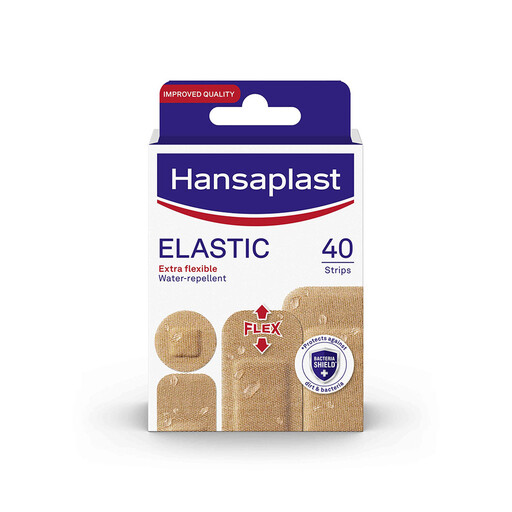
Why this choice suits this profile: With 40 plasters in four sizes, this assortment covers a family's everyday needs without having to buy multiple boxes.
The four sizes prevent you from using a plaster that is too small or too large for a minor wound.
40 units, four sizes, soft fabric, water-repellent material and stated to be free from natural latex.
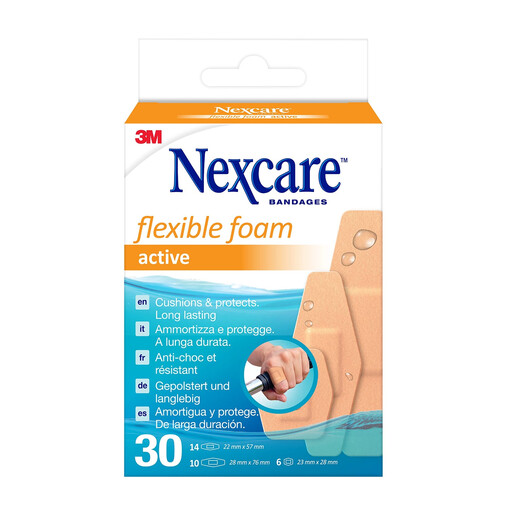
Why this choice suits this profile: Its foam backing and three sizes are ideal for very active people, sports enthusiasts and those who work a lot with their hands.
Its diamond shape makes it easier to cover tricky areas like fingers, hands, elbows, knees and feet.
Flexible foam, non-stick pad, water resistance and stated adhesion, even on damp skin.
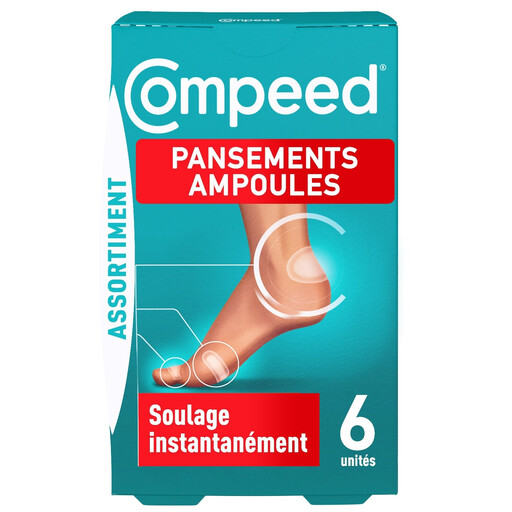
Why this choice suits this profile: This assortment is designed for people prone to blisters, with sizes suitable for the foot, medium areas and toes.
The three sizes prevent you from having to improvise with a universal plaster that is poorly positioned on a heel or toe blister.
Two medium sizes, two small and two for toes; hydrocolloid technology stated to absorb exudate.
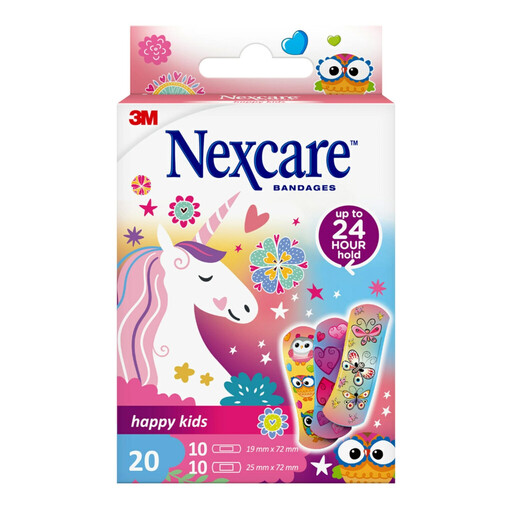
Why this choice suits this profile: Colourful designs often make treatment less daunting for a child, while the two sizes cover small cuts and grazes.
The thin, flexible backing reduces discomfort, while the non-stick pad makes removal more comfortable.
20 plasters, two sizes, breathable material and gentle removal as stated on the product page.
It depends on the model, the condition of the wound and how well the adhesive holds. A standard plaster should be changed as soon as it becomes wet or dirty. Some waterproof models claim longer wear, but you should follow the instructions and replace them if they peel off or if your skin reacts.
No. They are designed for specific uses, particularly blisters, and must be applied to clean, dry skin. They are not suitable for infected wounds or deep injuries. Always read the leaflet before use.
Opt for a soft, breathable backing, ideally latex-free, and look for a hypoallergenic label. This indication does not, however, eliminate all risk of reaction: remove the plaster if irritation persists and seek advice from a healthcare professional if needed.