
Livraison le jour même ou le lendemain

Qualité garantie

Débloquez vos offres de bienvenue: Livraison GRATUITE | Jusqu'à -80 % | 30 jours d'essai gratuits à JoyPlus
Téléchargez l'application
A kitchen cut, a graze after a bike ride, or a blister from a new pair of shoes – adhesive plasters are a staple of any first-aid kit. But you need to pick the right one. A rushed purchase can leave you with a plaster that peels off, irritates your skin, or lets water in.
So the number of plasters in the box isn't everything. The size, material, type of pad, and intended use matter just as much.
Terms like waterproof plasters, "water-resistant" or "water-repellent" don't always mean the same level of protection. Some models can handle a shower or occasional exposure to moisture, while others are designed to create a more complete barrier around the wound.
To limit seepage, go for a plaster with a continuous adhesive edge. Apply it to clean, dry skin and choose a size large enough to extend well beyond the area you need to protect.
A standard fabric plaster works fine for everyday use, but some skin types react with pulling, redness, or discomfort when removed. If your skin is sensitive or reactive, look for hypoallergenic plasters, plasters for sensitive skin and, if it's important to you, those that are free from natural latex.
The term "hypoallergenic" means the risk of a reaction is reduced, not that it's completely ruled out. If irritation occurs, remove the plaster and stop using it.
A rectangular plaster can quickly peel off on a joint, finger, or heel that's subject to friction. Flexible plasters, stretchy ones, or those pre-cut for specific areas generally follow movement better. For an irregular or larger wound, a plaster roll that you cut to size lets you adjust the length precisely.
The pad must completely cover the wound. The adhesive part should stick to dry, healthy skin all around. For a small cut, a standard size is usually enough. Larger superficial wounds may need a model that's 6 to 10 cm wide.
Large plasters, like those measuring 10 cm × 7 cm, are generally intended for larger areas or certain post-operative wounds, depending on the instructions on the packaging. They are not a substitute for medical advice on deep or serious wounds.
A non-stick pad reduces the risk of it sticking to the wound. This makes changing the plaster more comfortable, especially if it needs to be replaced daily or has become damp.
For a small cut or graze, choose a plaster with a built-in pad. An adhesive roll without a pad is used to hold a sterile dressing or another protective device in place: if the instructions say so, it must not be applied directly to an open wound.
Waterproof or water-resistant plasters are handy in the shower, during outdoor activities, or on holiday. Clear models are also more discreet for everyday wear. However, a waterproof plaster should be replaced if it peels off, gets dirty, or if moisture becomes trapped underneath the film.
For longer wear, also look for a micro-ventilated or breathable material. This doesn't guarantee the product will suit all skin types: the instructions and manufacturer's recommendations remain the most important guide.
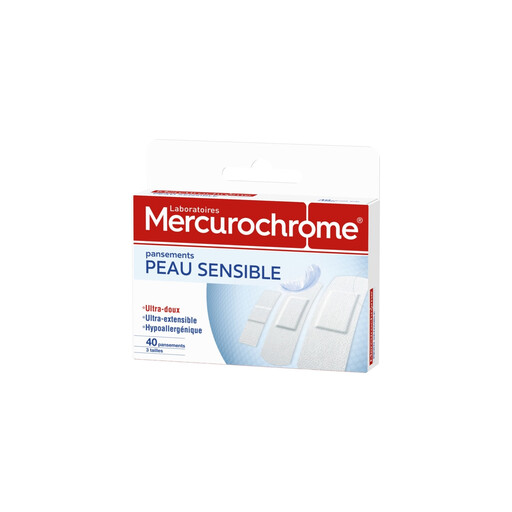
Why this choice suits this profile: with 40 plasters in three different sizes, this box lets you build a family supply without stocking up on multiple packs.
The assorted sizes prevent you from using a plaster that's too short or unnecessarily large on a small wound.
A soft, stretchy, breathable non-woven fabric, stated to be hypoallergenic and free from natural latex.
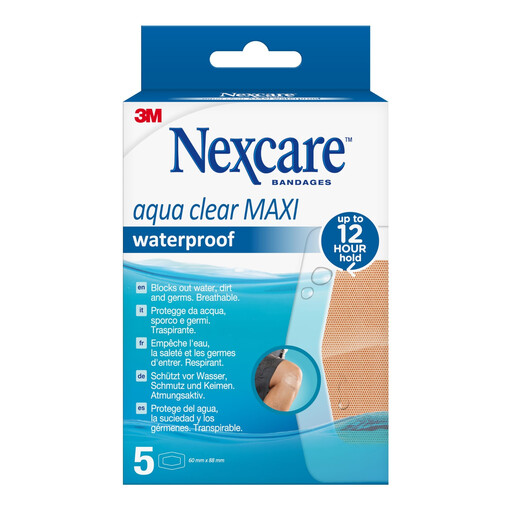
Why this choice suits this profile: this model is for those looking for a thin, water-resistant plaster for outings and everyday activities.
Its flexible backing and stated 360° seal reduce the risk of peeling caused by moisture.
A 60 mm × 88 mm size, a non-stick pad, a breathable backing, and stated to be free from natural latex.
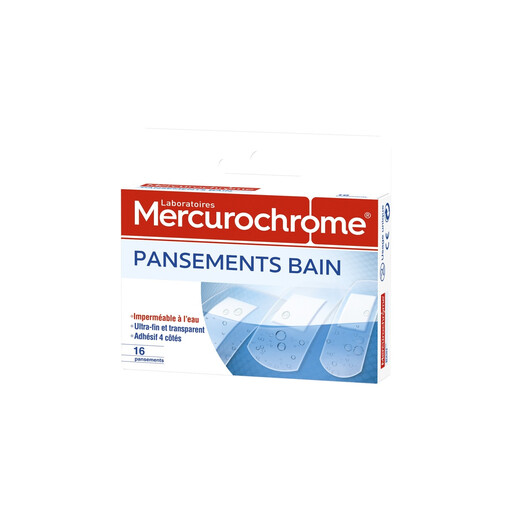
Why this choice suits this profile: athletes, swimmers, and anyone looking for discreet protection can rely on these pre-cut transparent plasters.
The pre-cut format avoids rough trimming, while the non-stick pad makes removal more comfortable.
16 units, an ultra-thin, transparent backing, water resistance, and a non-stick pad.
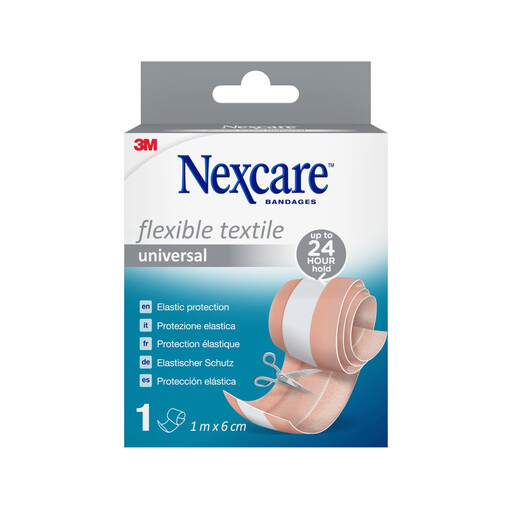
Why this choice suits this profile: a roll is handy at home, in a sports kit, or for craft projects, and it adapts to wounds of different sizes.
The cut-to-length design avoids buying multiple sizes and lets you tailor the protection to irregular areas.
A 6 cm × 1 m roll, a stretchy, breathable fabric, and adhesion stated to be suitable for moving areas.
We've put together a comprehensive, regularly updated selection of products that meet these demanding criteria, in line with European safety regulations.
Blister plasters and anti-friction strips are not necessarily intended to treat an already-open blister. For children, choose a product suitable for their age and check the warnings, especially regarding any latex content stated on the packaging.
How long you can wear it depends on the product, the condition of the wound, and exposure to water. In practice, change it as soon as it becomes damp, dirty, or loose. Some packaging states a maximum wear time: always refer to the instructions on the box.
Yes, some waterproof plasters are designed to withstand a shower or bath. Apply them to clean, dry skin, then check that the edges are sticking properly. However, prolonged immersion can reduce their hold.
A plaster is not enough for a deep wound, an animal bite, a serious burn, an infected wound, or an injury that isn't healing. If you notice persistent redness, increasing pain, discharge, or have any doubt at all, seek advice from a healthcare professional.