
Livraison le jour même ou le lendemain

Qualité garantie

Débloquez vos offres de bienvenue: Livraison GRATUITE | Jusqu'à -80 % | 30 jours d'essai gratuits à JoyPlus
Téléchargez l'application
A box of adhesive plasters might seem easy to pick… until the plaster peels off after a few hours, sticks to the wound, or restricts your movement. Whether you're buying for the family, for sports, or for a first-aid kit, the size and material matter just as much as the price.
The term "waterproof" doesn't necessarily mean the plaster will hold up during a long soak. Check whether the product is simply water-resistant, washable, or genuinely designed for the shower and swimming. A plaster that lifts as soon as it gets wet can no longer protect the wound properly.
A small plaster might be fine for a graze, but it's impractical on a knee or elbow. On the other hand, a plaster that's too large can restrict movement and waste product. Multi-size plasters let you cover small cuts, scratches, and larger areas with a better-fitting format.
High adhesion doesn't always mean comfort. On sensitive skin, a very tenacious plaster can make removal unpleasant, or even cause irritation. For children or anyone prone to skin reactions, choose a breathable material, a pad that won't stick to the wound, and a clear indication of whether the product contains latex.
Flexible plasters are ideal for joints and areas that get a lot of movement. A stretchy fabric moves with your finger, knee or elbow, while a firmer backing is better suited to a small cut on a less mobile area.
For sport, some foam plasters or those with multi-directional stretch are designed to follow your movements. It's still essential to apply the plaster to clean, dry skin without stretching it too much.
The pad should cover the wound without extending unnecessarily. For family use, a box offering several sizes is especially handy. Plasters for fingers deserve extra attention: their shape should wrap around the finger without restricting circulation or creating folds at the joint.
For knees and elbows, XL sizes or very flexible models offer wider coverage. If you opt for a roll you can cut to size, remember to check the width of the backing.
If the wound is deep, heavily soiled, infected, or caused by a bite, or if the bleeding won't stop, a standard adhesive plaster won't be enough. Seek advice from a healthcare professional promptly.
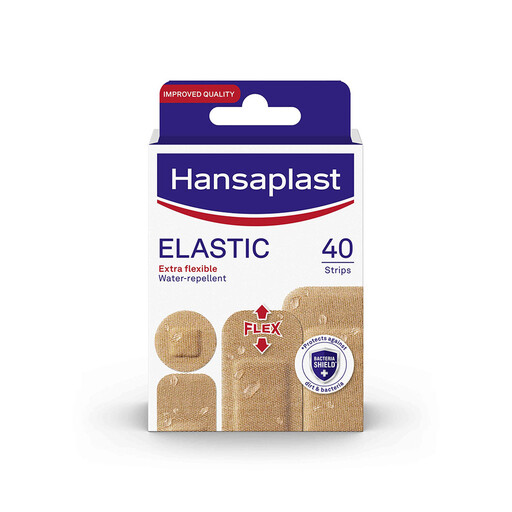
Why this suits this profile: With 40 plasters in four sizes, this assortment gives you a versatile supply for everyday bumps and scrapes.
The four sizes stop you using an oversized plaster for a small cut. The fabric is described as water-repellent and breathable.
40 units, flexible material, water-repellent fabric, and latex-free according to the product details.
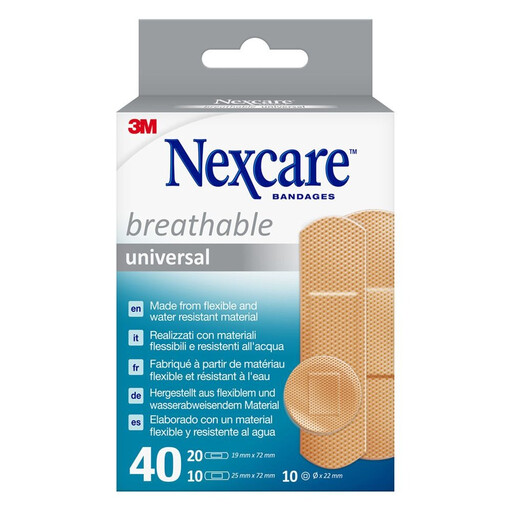
Why this suits this profile: This pack focuses on a non-stick pad and a stretchy backing, suitable for various uses at home and on the go.
The varied sizes reduce the risk of a poor fit, while the non-stick pad makes removal easier, according to the information provided.
40 plasters, three sizes, breathable and water-resistant material, Class I medical device as stated by the manufacturer.
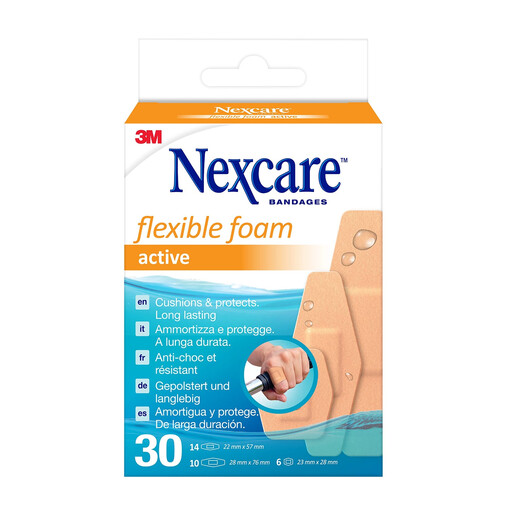
Why this suits this profile: Runners, hikers and other very active people will appreciate a backing that moves with fingers, hands, feet, knees and elbows.
Its diamond shape and foam are designed for tricky areas, without being limited to the classic rectangular format.
30 plasters in three sizes, flexible and water-resistant backing, non-stick pad.
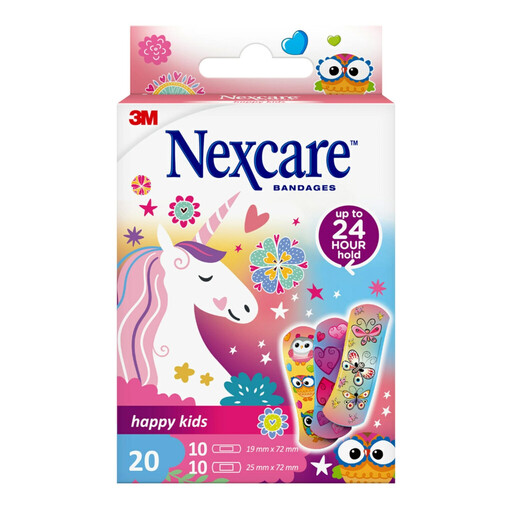
Why this suits this profile: The colourful designs can make applying a plaster easier when children have small cuts and grazes.
The two sizes stop you using a plaster that's too big, while the non-stick pad allows for gentler removal, according to the product details.
20 units, unicorn designs, breathable backing, and stated suitability for minor superficial wounds.
We've put together a comprehensive, real-time updated selection of products that meet these demanding criteria and European safety standards.
For a family first-aid kit, include a box of universal sizes, a few plasters for fingers, some blister plasters, and a waterproof model. This mix covers more situations without forcing you to buy only specialised products.
It depends on the material, the condition of the wound, and the instructions on the packaging. Change the plaster when it's damp, dirty, or lifting. Some hydrocolloid models can stay in place for several days, but remove them if irritation or signs of infection appear.
A waterproof plaster can act as a barrier to water on a small, clean, superficial wound. It is not suitable for a deep, infected, or heavily bleeding wound. Clean the area and consult a healthcare professional if you're concerned about its appearance.
Hydrocolloid plasters are specially designed for blisters caused by friction. Choose a size that extends well beyond the affected area, apply it to clean, dry skin, and follow the instructions on the leaflet.