
Livraison le jour même ou le lendemain

Qualité garantie

Débloquez vos offres de bienvenue: Livraison GRATUITE | Jusqu'à -80 % | 30 jours d'essai gratuits à JoyPlus
Téléchargez l'application
A cut on your finger, a blister after a long walk, or a corn irritated by a tight shoe don't necessarily call for the same protection. Yet adhesive plasters are still too often chosen based on price, the number of pieces, or simply the word "waterproof", without really considering their intended use.
Here are the main pitfalls to avoid and the criteria to check before stocking up your family first-aid kit.
A water-resistant plaster can generally handle a few splashes or occasional exposure to moisture. That doesn't mean it will stay perfectly sealed under a long shower, during a swim, or with repeated rubbing.
For frequent exposure to water, go for an impermeable surface, a non-stick pad, and – where the product details specify it – an adhesive that covers all four sides. Even a waterproof plaster must be applied to clean, completely dry skin.
A standard plaster might protect a small graze on your forearm perfectly well, but it will peel off more easily on a joint, finger, or heel. Movement, sweat, and friction really put the adhesive to the test.
Flexible plasters, models specially designed for fingers, and stretchy supports are generally better suited to moving areas. For a larger wound, a roll you can cut to size or sterile dressings held in place with medical tape offer more freedom.
Blister plasters are primarily designed to protect an area that's being rubbed. Hydrocolloid plasters form a gel when they come into contact with the fluid from the blister and can stay in place for several days, depending on their condition and the manufacturer's instructions.
Plasters for corns and calluses, on the other hand, may be designed to cushion pressure or deliver a specific active ingredient. A product containing salicylic acid should not be used as a simple protective plaster, especially if you have diabetes or circulatory problems, without medical advice.
The pad must cover the entire wound, leaving a margin all around. If it's too small, the plaster's edges are exposed to dirt and moisture. If it's too large, it may wrinkle and lose its adhesion.
Multi-size assortments are particularly handy for a family: they let you treat everything from a small cut to a graze or scratch, without needing multiple boxes.
Check for a non-stick pad, which makes removal easier. Sensitive skin can also look for a natural latex-free label, a breathable backing, or an adhesive designed to minimise residue.
A plaster should not be placed on an infected, deep, or puncture wound, or one caused by an animal bite. Clean the area according to the instructions on the leaflet, then replace the plaster as soon as it becomes wet, dirty, or starts to peel off.
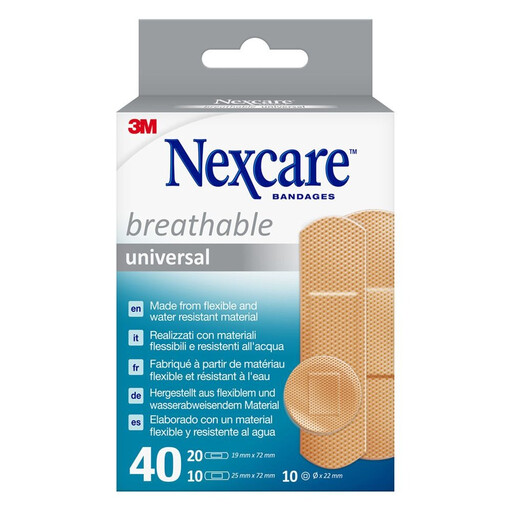
Why this choice suits this profile: With 40 plasters in several sizes, this assortment makes a solid foundation for a first family kit, designed for everyday minor mishaps.
The varied sizes mean you don't have to make do with a single format. Breathable and water-resistant, the backing covers everyday needs without being marketed as fully waterproof.
40 pieces, three sizes, and a non-stick pad. The product is classified as a Class I medical device.
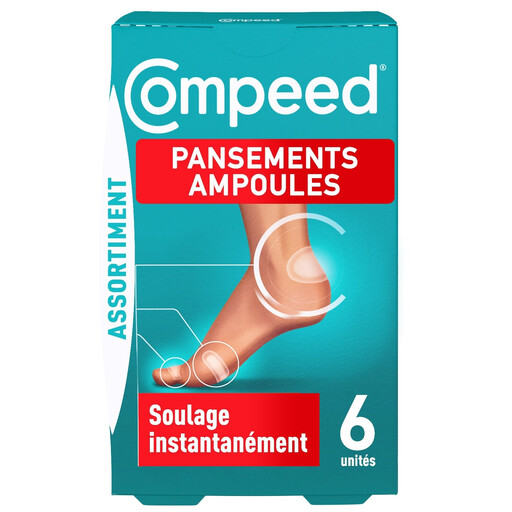
Why this choice suits this profile: Hikers and users who prioritise comfort get three sizes designed for blisters on the foot, toes, and the areas in between.
The assortment reduces the risk of picking the wrong shape. The plaster must be applied to clean, dry skin and should not be cut.
Two medium plasters, two small, and two for toes. The hydrocolloid technology absorbs fluid and forms a gel when it meets the blister.
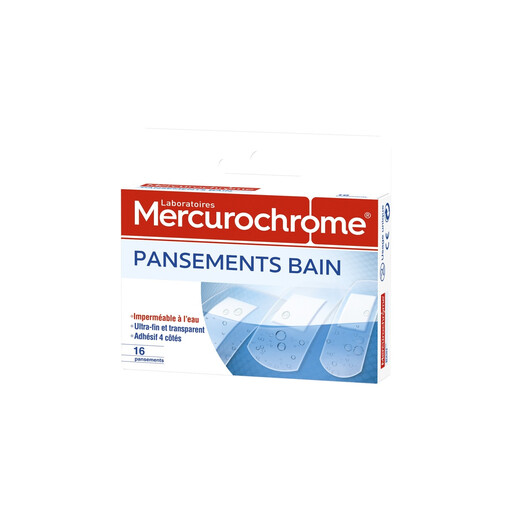
Why this choice suits this profile: People who swim regularly, go hiking, or do manual work may want a thin, moisture-resistant barrier.
The pre-cut format avoids uneven trimming. However, it should be replaced after a bath, or as soon as it becomes wet or dirty.
16 transparent, ultra-thin, water-resistant plasters with a non-stick pad for small superficial wounds.
We've put together a comprehensive, real-time selection of products that meet these strict criteria and the requirements of European safety regulations.
It depends entirely on the model and the situation. A standard plaster should be replaced as soon as it's wet, dirty, or peeling off – usually once a day. A hydrocolloid plaster can stay in place for several days if it's still sticking properly and the skin shows no worrying signs. Always follow the manufacturer's instructions.
Dry the skin around the wound thoroughly, then choose a finger plaster or a flexible model. Avoid pulling the adhesive too tight. If you experience numbness, a change in colour, or any circulatory discomfort, remove it immediately.
For a blister caused by friction, a hydrocolloid plaster designed for the foot limits contact with your shoe and can stay in place longer. Do not use it on an infected area. If there is significant redness, swelling, discharge, or persistent pain, seek advice from a healthcare professional.