
Livraison le jour même ou le lendemain

Qualité garantie

Débloquez vos offres de bienvenue: Livraison GRATUITE | Jusqu'à -80 % | 30 jours d'essai gratuits à JoyPlus
Téléchargez l'application
A cut while cooking, a blister after a walk or a grazed knee may not all need the same plaster. Yet when shopping, it’s easy to focus only on the number of plasters in a pack or a claim such as ‘waterproof’. The result? Your plaster may come unstuck, restrict your movement or irritate your skin.
Here are the things to check before buying adhesive plasters, along with a selection to suit adults, children, sports enthusiasts and anyone looking for plasters for fingers or joints.
A water-repellent or water-resistant fabric can cope with a few splashes, but that doesn’t guarantee lasting protection in the shower or while swimming. For these uses, look for an explicit claim such as waterproof or ‘100% waterproof protection’ in the product details.
Remember to replace your plaster if it gets wet or dirty, or starts to come unstuck. Reduced adhesion means less protection for the wound.
A plaster that’s too small won’t cover the whole cut. One that’s too large may crease and come unstuck around a joint. For a family first-aid kit, multipacks with several sizes are usually the most practical. They’re suitable for everything from small grazes to cuts on fingers and larger areas such as the knee.
A standard plaster won’t always be enough to reduce friction on blisters. Hydrocolloid plasters create a protective layer that’s particularly suited to irritation caused by pressure or rubbing.
A rigid plaster can restrict movement in a finger, elbow or knee. Flexible plasters and stretchy materials, on the other hand, move more comfortably with you throughout the day.
It’s also worth checking whether a plaster contains latex, particularly if you have sensitive skin or a known allergy. Several products state that they’re made without natural latex, but always check the packaging and stop using the product if irritation occurs.
For everyday use, a water-resistant plaster may be enough. For water-based activities or frequent washing, choose waterproof plasters with adhesive edges designed to help prevent water getting in.
The claim ‘protects against germs and dirt’ describes a physical barrier. It doesn’t mean the product treats an infection.
A non-stick wound pad helps reduce the risk of it sticking to the wound when you change the plaster. Also check how often the manufacturer recommends replacing it. Some plasters should be changed every day or as soon as they get wet, while blister plasters are sometimes designed to stay in place until they come away naturally.
Clean the wound and gently dry the surrounding skin, then apply the plaster without stretching it. Deep or heavily bleeding wounds, infected wounds and wounds caused by a bite need medical advice.
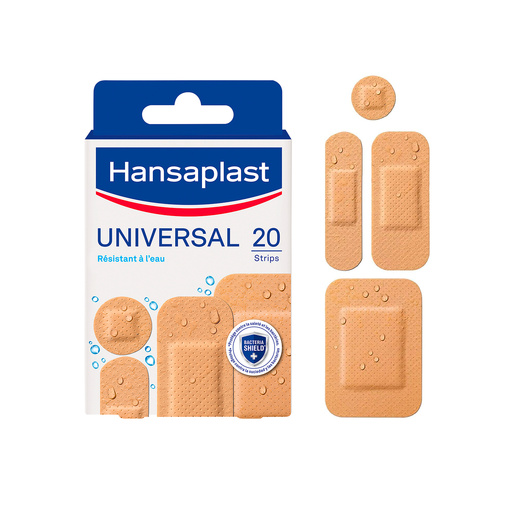
Why it’s a good fit: This pack of 20 plasters in four sizes is an easy addition to a family first-aid kit, ready for everyday minor cuts, grazes and scratches.
The four sizes help you avoid using a plaster that’s too large for a small wound. The fabric is described as water- and dirt-resistant.
20 plasters, four sizes, breathable material and a claim that they’re made without natural latex.
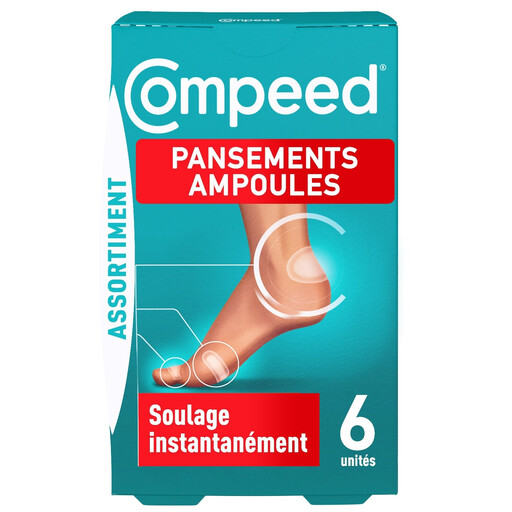
Why it’s a good fit: This pack is for anyone looking for a dedicated solution for foot blisters, with different shapes to suit the area affected.
The medium, small and toe-specific sizes help you avoid using a poorly fitting all-purpose plaster on a blister.
Six hydrocolloid plasters, including two toe plasters and two small sizes.
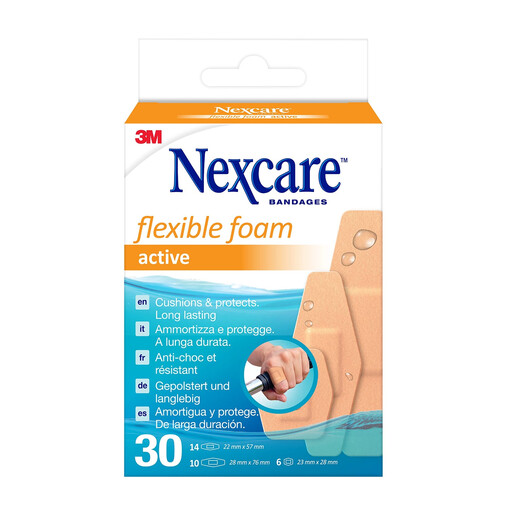
Why it’s a good fit: Sports enthusiasts and anyone who’s often on the move can choose from three sizes. The stretchy foam suits fingers, hands, elbows, knees and feet.
Its diamond shape and water-resistant material are designed for hard-to-cover areas, rather than relying on a single rectangular size.
30 plasters in three sizes, a non-stick wound pad and flexible material described as suitable for physical activity.
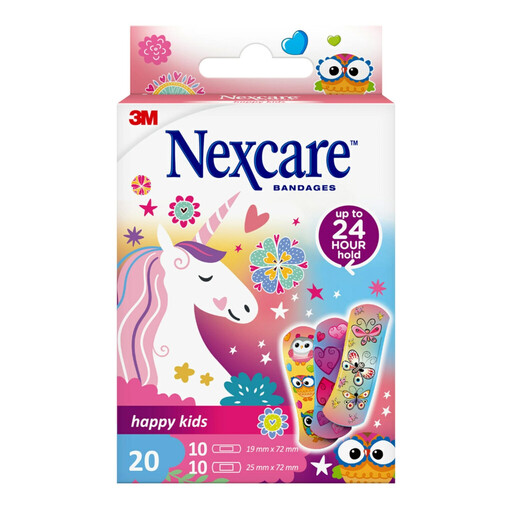
Why it’s a good fit: Colourful designs, two sizes and a claim of gentle removal make it easier to care for minor injuries in children.
The small and medium sizes help you avoid covering a simple graze with an unnecessarily large wound pad.
20 plasters, a non-stick wound pad, breathable material and a claim that they’re suitable for sensitive skin.
We’ve put together a comprehensive, regularly updated list of products that meet these strict selection criteria and comply with European safety regulations.
It depends on the type of plaster and its condition. Replace it if it’s wet, dirty, coming unstuck or damaged. For a superficial wound, follow the instructions on the packaging and look out for persistent redness, pain or signs of infection.
A hydrocolloid blister plaster is suitable for areas exposed to friction, provided the skin is clean and dry. Choose a size that covers the blister generously, and don’t cut the plaster if the instructions say not to.
Some plasters are designed to resist water and specifically mention showers, baths or swimming. Check the exact claim: ‘water-resistant’ doesn’t necessarily mean waterproof for an extended period. After use, replace the plaster if it comes unstuck or water has got underneath.