
Livraison le jour même ou le lendemain

Qualité garantie

Débloquez vos offres de bienvenue: Livraison GRATUITE | Jusqu'à -80 % | 30 jours d'essai gratuits à JoyPlus
Téléchargez l'application
A cut while preparing dinner, a blister after a hike or a graze at the park: adhesive plasters are essential in any first-aid kit. But choosing the right one is key. An unsuitable plaster may come loose in the shower, restrict movement or stick to the wound when you remove it.
Here are the criteria to consider when looking for plasters suited to your everyday needs, rather than choosing based solely on their design or the promises on the packaging.
A water-resistant plaster can cope with a few splashes, but that does not guarantee it will stay in place during a bath, a swimming session or prolonged exposure to rain. Read the product description carefully, along with the recommendations on when to replace it if it becomes wet or dirty.
For showering, frequent hand washing or water-based activities, look specifically for waterproof plasters or water-resistant plasters.
A standard rectangular plaster will not always fit a finger, joint or heel properly. Folds can trap moisture and affect comfort. A box containing several sizes is generally more practical for covering wounds of different sizes.
Finger plasters, foam models and formats designed for blisters meet very different needs.
Disney plasters or colourful designs can help a child feel more comfortable with treatment, but the pattern says nothing about breathability or adhesive performance. Conversely, a discreet plaster will often be more suitable at work, during sport or for sensitive skin.
Start by checking the backing, wound pad, dimensions and usage instructions. Design comes second.
For a small cut or graze, a non-stick wound pad makes the plaster easier to remove. This helps you avoid pulling unnecessarily on the skin when changing it. Flexible models also follow movement more effectively, particularly on the hands and knees.
Always apply the plaster to clean, dry skin without stretching the backing, unless the instructions state otherwise. Replace it if it becomes wet, dirty or loose.
A plaster intended for a quiet day does not face the same demands as one worn during a hike, gardening session or sporting activity. For intensive use, choose a material that moves with you and an adhesive that can stay in place despite perspiration and moisture.
Flexible plasters and breathable plasters can improve comfort, while a waterproof model is especially useful when the plaster may come into contact with water. These features are not interchangeable.
Many products state that they are free from natural latex. If you are particularly sensitive, always check the labelling and instructions before use.
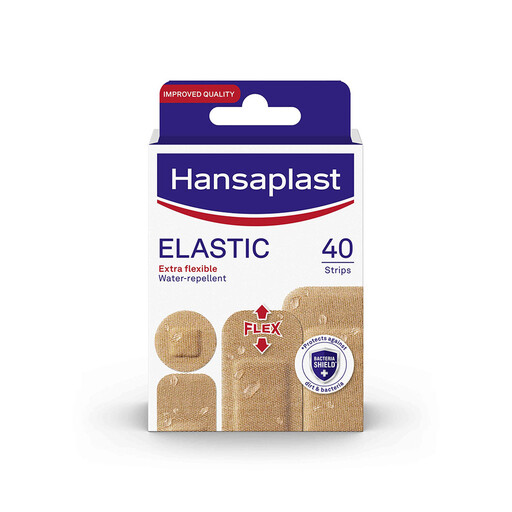
Why this choice suits this profile : With 40 plasters in four sizes, this box covers the everyday needs of a family or household.
The four sizes reduce the risk of choosing an unsuitable format. The fabric is described as flexible and water-resistant.
40 plasters, four sizes, a fabric that allows the skin to breathe and a composition stated as latex-free according to the product listing.
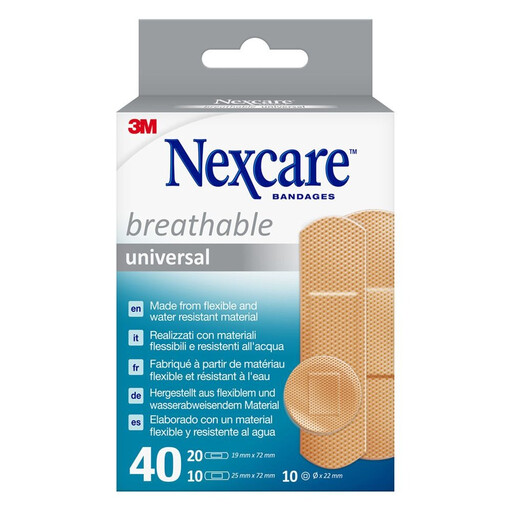
Why this choice suits this profile : This product combines several sizes, a stretchable backing and a non-stick wound pad to meet a wide range of everyday needs.
‘Breathable’ does not mean waterproof: the product listing states that it is water-resistant, allowing you to make an informed choice.
40 plasters, three sizes, a stretchable backing and a wound pad described as non-stick.
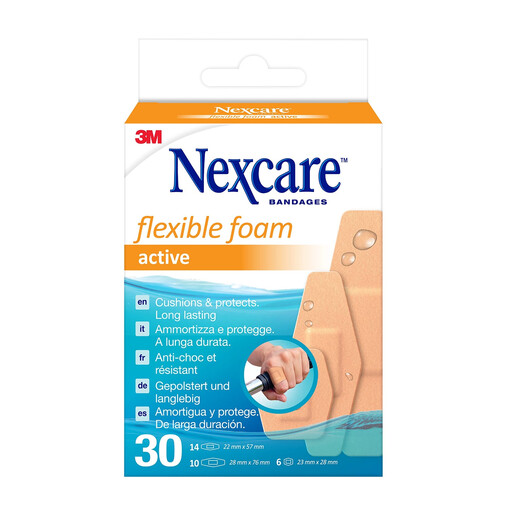
Why this choice suits this profile : Its flexible foam and three sizes are suitable for sportspeople, hikers and anyone who is frequently on the move.
The diamond shape is designed to protect awkward areas such as fingers, elbows, knees, hands and feet.
30 plasters, water-resistant foam, a non-stick wound pad and a backing designed to move with you.
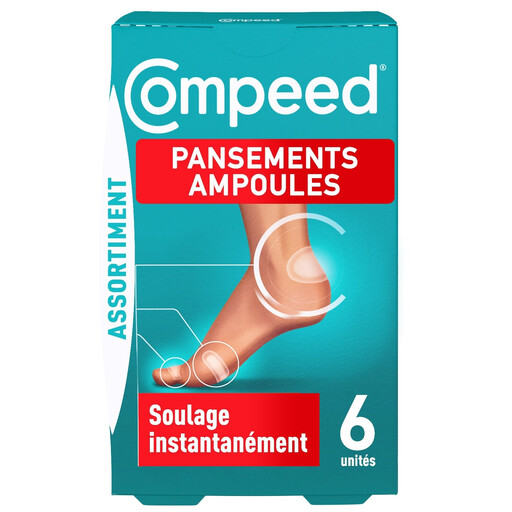
Why this choice suits this profile : Walkers and hikers have access to formats designed for the foot, toes and the most common types of blister.
The assortment offers several formats instead of treating every area with a single rectangular plaster.
Six plasters divided between two medium-sized, two small and two toe models, with hydrocolloid technology stated in the product listing.
We have put together a complete, real-time updated selection of products that meet these exacting criteria and European safety standards.
Before applying a plaster, clean the minor wound and gently dry the surrounding skin. Avoid stretching the backing and smooth down the edges to minimise creasing. A plaster is for single use only: do not reuse it, even if it still appears clean.
Store the boxes in a dry place, away from direct sunlight and moisture. Check the expiry date and batch number on the packaging. Products classified as Class I medical devices must be used in accordance with their instructions.
An adhesive plaster is not suitable for every situation. Do not apply one to an infected, deep or heavily bleeding wound, or to a bite or serious burn. If you experience persistent redness, irritation or signs of infection, seek advice from a healthcare professional.
The duration depends on the model and the condition of the protected area. Change it when it becomes wet, dirty or loose, or according to the instructions. Some waterproof plasters state that they can be worn for up to 48 hours, but this does not remove the need to check your skin and wound regularly.
For a blister on the foot, look for a hydrocolloid plaster in a suitable format: heel, toe or a larger area. The skin must be clean and completely dry before application. Follow the manufacturer’s instructions and do not cut the plaster if the instructions prohibit this.
Children’s plasters may come in smaller sizes, with flexible backings and designs inspired by Disney, Avengers or unicorns. They also offer a practical benefit: a familiar design can make treatment easier for a child to accept. However, check the dimensions, composition, recommended age and any possible latex content before buying.