
Livraison le jour même ou le lendemain

Qualité garantie

Débloquez vos offres de bienvenue: Livraison GRATUITE | Jusqu'à -80 % | 30 jours d'essai gratuits à JoyPlus
Téléchargez l'application
A kitchen cut, a blister after a hike or a child’s graze will not necessarily need the same type of plaster. Yet adhesive plasters are often bought in a hurry, based solely on the price or the word “waterproof”. The result can be a plaster that comes off in the shower, a dressing that sticks to the wound or a size that is unsuitable for the area being protected.
Here are the criteria to check before topping up your first-aid cabinet or first-aid kit.
A plaster described as waterproof is intended to protect the covered area from moisture. However, its effectiveness also depends on how it is applied. Damp skin, application to a hairy area or edges that have not been pressed down properly can quickly cause it to come away.
For showers, baths or sports activities, check that the plaster has a waterproof backing and an adhesive that properly surrounds the dressing. Replace it as soon as it becomes wet or dirty, or starts to come away.
Strong adhesion does not necessarily mean comfort. Some products are not recommended for delicate skin, while latex-free plasters may suit people who want to avoid natural latex. Soft, flexible or micro-perforated fabric backings are particularly useful on joints and areas that move frequently.
Read the precautions carefully and remove the plaster gently at the first sign of irritation.
A standard plaster is sufficient for protecting a small cut, but it cannot replace hydrocolloid plasters for blisters, a corn cushion or a sterile dressing secured with adhesive tape. The size you choose depends on the wound, its location and how much the affected area moves.
To deal with a variety of injuries, a box containing assorted sizes is very practical. A roll of cut-to-size plasters is more suitable for irregular wounds, larger grazes or areas that require a customised length.
The plaster should cover the wound and extend onto healthy skin so that the adhesive holds properly. For a larger injury, a large sterile plaster or a sterile dressing secured with adhesive tape may be more suitable.
Fabric plasters are flexible and suitable for areas that move, such as fingers, knees and elbows. Non-woven backings can provide a softer feel. A breathable material encourages air circulation around the skin, but does not guarantee complete freedom from irritation.
Also check that the dressing is non-stick. This layer limits direct contact between the plaster and the wound, while making removal easier.
Before use, clean the area, gently dry the skin around the wound and follow the instructions on the packaging. Deep or infected wounds, bites and heavy bleeding require medical advice.
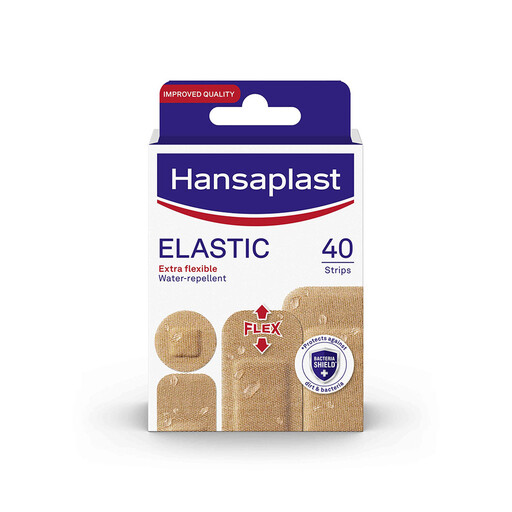
Why this choice suits this profile : The 40 plasters in four different sizes cover everyday minor accidents without the need to buy multiple boxes.
The choice of several sizes avoids using a plaster that is too small or too large. The fabric backing is described as water-repellent and latex-free.
40 plasters, four sizes, soft fabric backing and no natural latex.
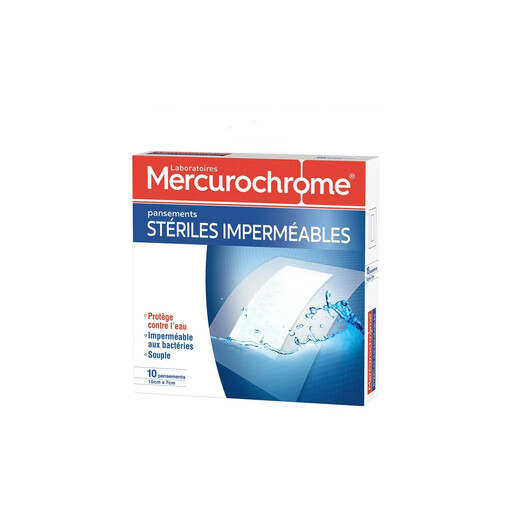
Why this choice suits this profile : Measuring 10 cm x 7 cm, these plasters are designed for larger wounds that require sterile coverage and protection from water.
The waterproof design features adhesive edges on all four sides and a non-stick dressing. Applying it to clean, dry skin is still essential.
10 sterile plasters, large size, barrier against bacteria and non-stick dressing.
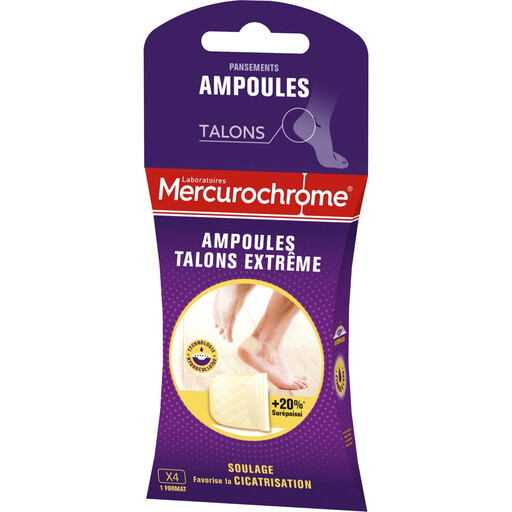
Why this choice suits this profile : Hikers, runners and anyone exposed to repeated friction may benefit from a plaster specially designed for the heel or sole of the foot.
Its shape and hydrocolloid technology address a different need from that of a standard plaster, particularly by helping to reduce friction from footwear.
Hydrocolloid technology, raised mesh described as thicker, tapered edges and water resistance.
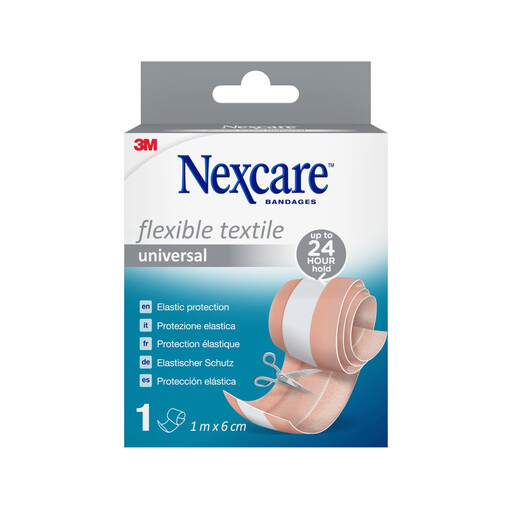
Why this choice suits this profile : The cut-to-size roll lets you adjust the length to suit every need while moving comfortably with you.
The customisable length avoids wasting pre-cut sizes. The material is described as breathable, stretchable and free from natural latex.
6 cm x 1 m roll, stretch fabric, breathable backing and cut to the desired length.
We have created a complete, real-time updated list of products that meet these demanding selection criteria and European safety regulations.
Children’s plasters must be kept out of the reach of young children. Some models are not suitable for children under 2 years old. For hydrocolloid plasters, generally leave the product in place until it starts to come away, unless the packaging states otherwise.
A standard plaster should be replaced when it is wet, dirty or coming away, generally at least once a day according to the manufacturer’s instructions. A hydrocolloid plaster can remain in place for several days if it is still adhering properly. The duration depends on the wound, its location and the instructions provided.
Yes. Models designed to be waterproof can be used in the shower provided they are applied correctly. Dry the skin before application and press all four sides down carefully. Replace the plaster after prolonged exposure to water or as soon as it starts to lose its adhesion.
For a blister caused by friction, hydrocolloid plasters are designed to protect the area and reduce contact with footwear. For a corn, choose a cushion with pressure-relieving foam and apply it only to intact skin. Persistent pain, irritation or any sign of infection should be assessed by a medical professional.