
Livraison le jour même ou le lendemain

Qualité garantie

Débloquez vos offres de bienvenue: Livraison GRATUITE | Jusqu'à -80 % | 30 jours d'essai gratuits à JoyPlus
Téléchargez l'application
Choosing an adhesive glue might seem straightforward… until the paper warps, the shelf comes unstuck, or a plastic repair leaves a visible mark. Packaging often promises a fast grab, an all-purpose formula or extra strength. But these claims don't replace checking the material, drying time and conditions of use.
To avoid nasty surprises — and unnecessary purchases — it's worth keeping three common pitfalls in mind.
A multi-purpose glue may bond to wood, metal, glass or certain plastics, but that doesn't mean it works on every surface. Polyethylene (PE), polypropylene (PP) and PTFE (also known as Teflon) are among the trickiest materials to glue.
The technical data sheet should list compatible surfaces — and those it won't work on. Testing on a small, hidden area is always a good idea, especially with plastics, painted surfaces and flexible materials.
A quick initial grab doesn't mean the bond can take heavy load straight away. Depending on the formula, maximum strength may only be reached after several hours, or even 24 hours.
For wood glue or construction adhesive, always check the clamping time, adjustment time and full cure time.
A water-resistant glue isn't necessarily designed for permanent immersion. Similarly, an indoor formula can lose effectiveness under UV light, frost or temperature swings.
For use in a damp room, kitchen, bathroom or outdoors, look for clear details on moisture resistance, UV resistance and extreme temperature tolerance.
The surface determines which type of glue to go for:
A solvent-free glue can be a good choice for school projects, the office and certain indoor applications, as it limits solvent fumes. That said, you should still follow the precautions on the packaging and safety data sheet.
For children, parents and teachers, a washable glue stick that cleans off with cold water makes it easy to remove fresh marks. Some products also highlight a proportion of naturally derived ingredients. This describes the product's formulation — it doesn't, on its own, provide a general guarantee about its environmental impact.
Choose the formula based on the demands the bond will face:
For wood, the EN 204 D2 standard indicates moisture resistance suitable for certain indoor uses. It does not mean the glue can be left submerged or permanently exposed to the weather.
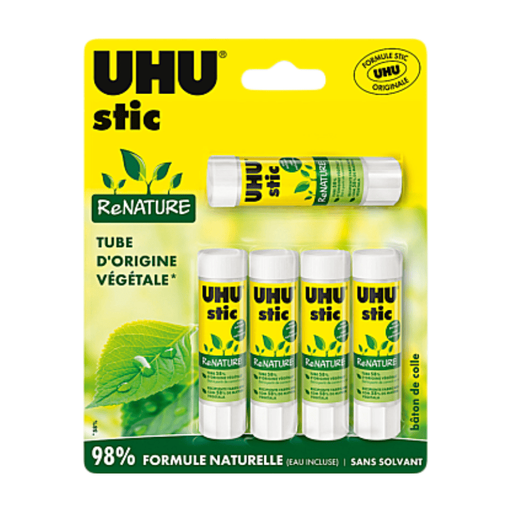
Why this suits this profile: The five-stick pack is ideal for school supplies, the office and regular creative activities, with no extra equipment needed.
The formula is solvent-free and washable in cold water, making it easy to clean fresh marks from paper and cardboard.
Five 8.2 g sticks, formula stated as 98% naturally derived ingredients and a tube containing 58% plant-based raw materials.
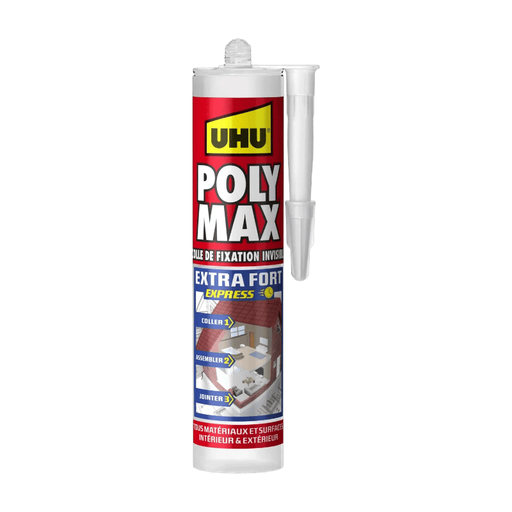
Why this suits this profile: The cartridge format targets renovation work and assemblies where a discreet finish makes all the difference.
The data sheet lists compatible materials and specifically excludes PE, PP, PTFE and bitumen — the limitations are clearly stated.
300 g cartridge, solvent-free formula with stated resistance to water, UV and temperatures from -40°C to +100°C.
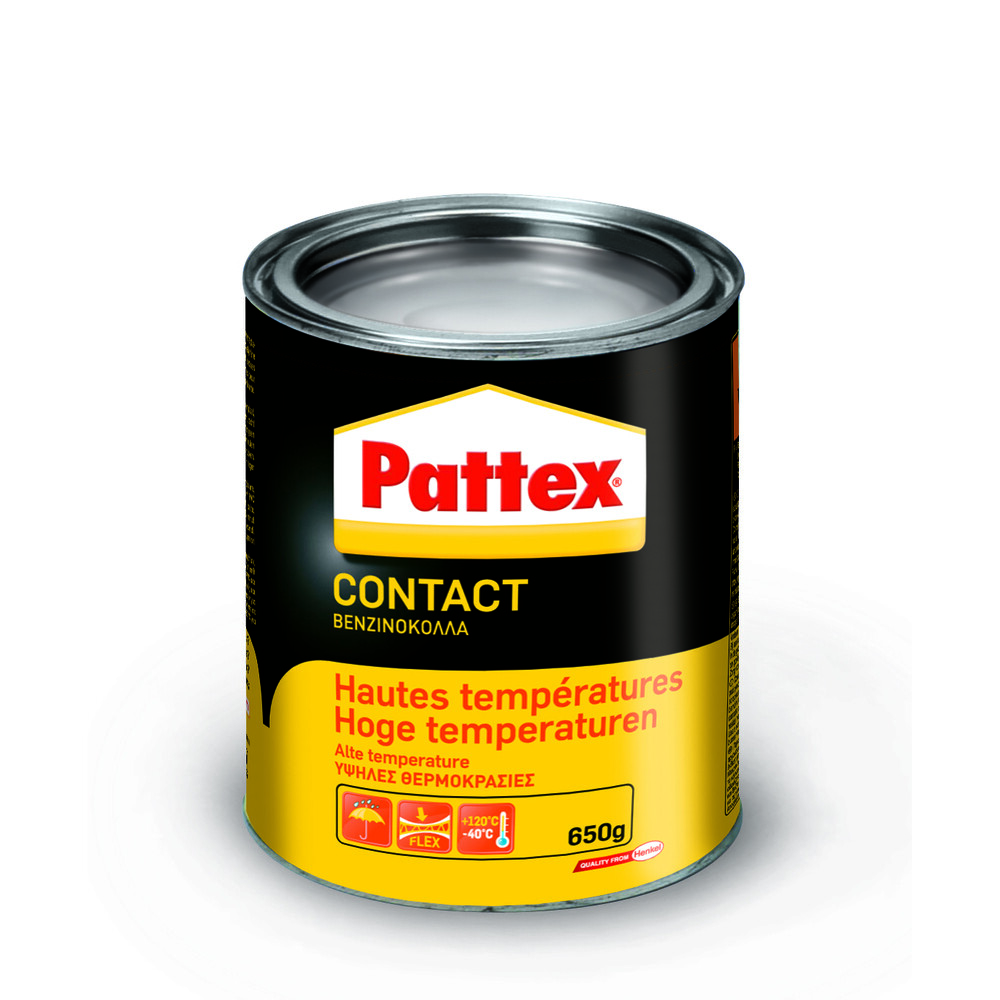
Why this suits this profile: The 650 g tub is designed for repeated jobs on surfaces exposed to heat, including certain kitchen equipment.
The maximum temperature stated is 120°C, but the data sheet makes clear the product is not suitable for permanent immersion in water.
Application by brush, spatula or gun, strong initial tack and compatibility with wood, laminate, metal, cork, leather and rubber.
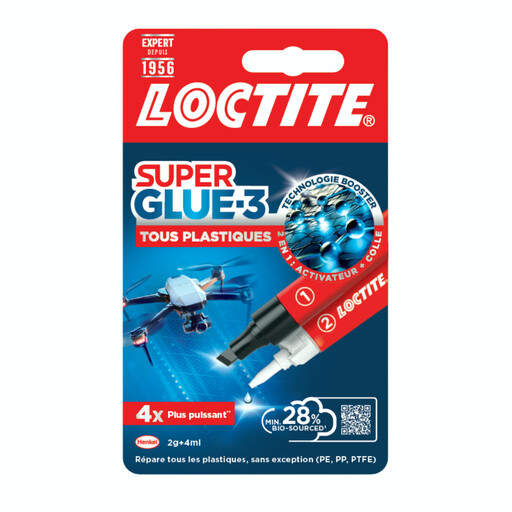
Why this suits this profile: The duo of a 2 g tube and an activator pen targets small, precise repairs on plastic items.
The activator prepares tricky plastics for bonding. The data sheet still notes usage restrictions and recommends working on clean, dry surfaces.
Compact format, precise application and transparent drying, stated for repairs on toys, accessories and small items.
Before applying the glue, prepare the surfaces carefully:
Seal the tube, stick or cartridge properly after each use. Heat, frost and moisture can reduce the product's shelf life. For glues containing solvents or those with special precautions, work in a well-ventilated area and wear the recommended protective gear.
A washable glue stick is generally fine for school activities, sticking photos and craft projects. It's easy to dose and doesn't drip. For thick cardboard or a creation that will be handled often, a liquid glue can give more even coverage.
It depends on the formula and storage conditions. A properly closed cap, a dry place and moderate temperatures slow down drying. If the texture becomes lumpy, the smell changes or the adhesion drops noticeably, it's best to replace the product.
Look for a construction adhesive or mastic glue that states resistance to water, UV and temperature changes. Also check its compatibility with the surface and the time needed before exposure to the elements. A "water-resistant" claim alone isn't enough to guarantee long-lasting outdoor use.