
Livraison le jour même ou le lendemain

Qualité garantie

Débloquez vos offres de bienvenue: Livraison GRATUITE | Jusqu'à -80 % | 30 jours d'essai gratuits à JoyPlus
Téléchargez l'application
An adhesive glue can be used to assemble, repair, fix or seal. But not all formulas are designed for the same demands. Using a multi-purpose glue on a damp wall, a very strong glue on a flexible material, or a glue stick for a heavily stressed part often leads to the same result: peeling, marks or damaged surfaces.
Before you head to the checkout, it's worth looking beyond claims like "extra-strong", "instant" or "universal". These promises don't replace concrete information about compatible materials, drying time and conditions of use.
A glue can hold a part in place quickly without having yet reached its full strength. Depending on the product, you may need to wait several hours, or even 24 hours, before applying the maximum load. Ignoring this waiting time can cause the object to shift or the bond to fail.
Glass, wood, metal, PVC, wallpaper and plastic all have different levels of porosity and different properties. Some fixing glues require at least one of the surfaces to be porous, while others explicitly exclude PE, PP, PTFE or certain flexible plastics.
A "no nails, no screws" glue may be suitable for fixing a shelf to a suitable surface, but not necessarily on a painted wall, a dusty surface or an area constantly exposed to water.
Adhesive dots and repositionable putties are handy for photos, posters and lightweight items. However, they are not designed to support a heavy load. On wallpaper, fresh paint or an absorbent surface, they can leave a mark or even pull the covering off.
Start by identifying exactly the two surfaces you need to join. For paper, cardboard or photos, a glue stick that won't drip will generally be more suitable than a sealant. For furniture, a wood glue should specify the compatible wood types or joint types. For wall fixing, check compatibility with plaster, brick, tiles or glass.
Also take the time to read the exclusions. An incompatibility with PE, PP, PTFE, bitumen, copper or brass is not trivial: it can prevent adhesion or weaken the bond.
Be sure to distinguish between three stages:
For a DIY glue, also check whether temporary mechanical support is needed. A formula described as fast does not always allow immediate loading.
A multi-purpose glue intended for indoor use is not automatically suitable for a façade, a bathroom or a boat. For sealing, look instead for a sealant or sanitary silicone that states its water resistance and flexibility after drying.
In a car or on a boat, temperature fluctuations, vibrations, road salt and seawater require a suitable formula. The technical data sheet should specify these conditions of use, rather than just making a vague promise of durability.
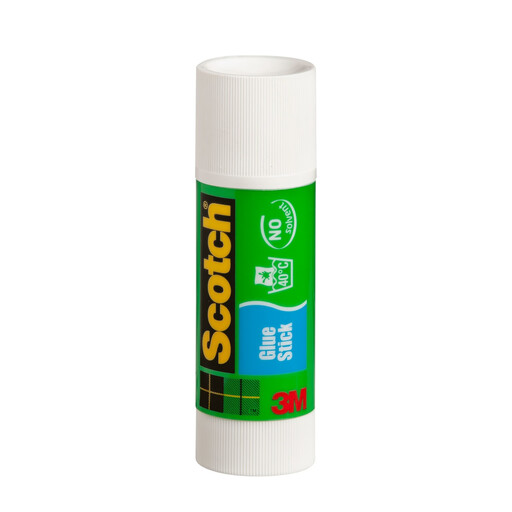
Why this choice suits this profile: This 40 g format is ideal for homework, cards, crafts and small repairs on paper, cardboard, photos or lightweight fabrics.
Its solid formula minimises drips and doesn't claim to replace a mounting glue for heavy objects.
Direct application, acid-free formula and cleans off with water and soap according to the product sheet.
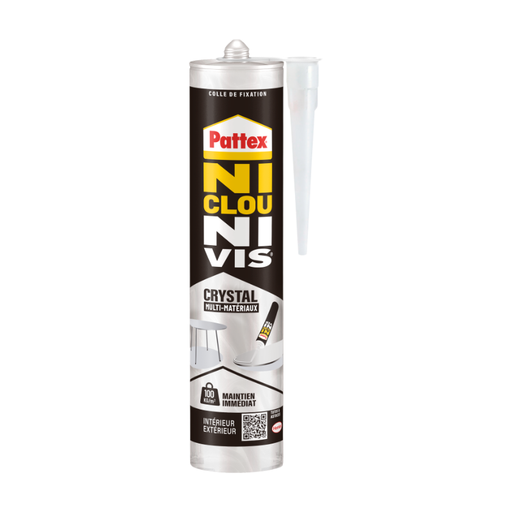
Why this choice suits this profile: Its transparent finish is ideal for decorative projects on glass, mirror, metal and some plastics, indoors and outdoors.
The data sheet specifies excluded surfaces, including PE, PP, PTFE, copper, brass and total immersion.
Holds in 15 seconds, repositionable for up to 15 minutes and final strength stated after 24 hours.
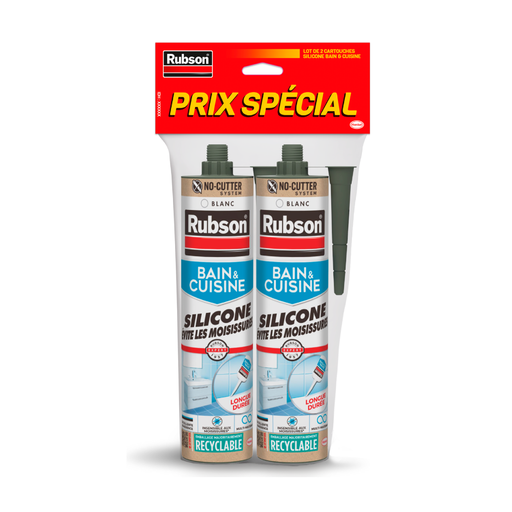
Why this choice suits this profile: This pack of two cartridges is designed for repeated jobs in the kitchen, bathroom and sanitary areas.
This is a sealant, not a mounting glue intended to support a shelf or a hanging object.
Flexible sanitary silicone, pre-cut nozzle and stated compatibility with enamel, porcelain, glass and ceramic tiles.
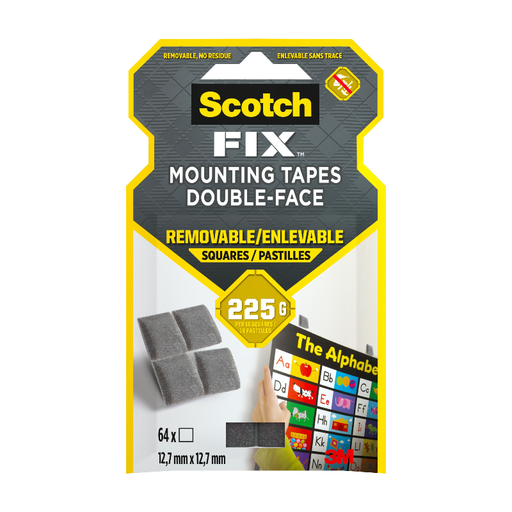
Why this choice suits this profile: The 64 pre-cut dots are ideal for children's drawings, photos, posters and lightweight decorations that need changing regularly.
Its use is clearly limited to very lightweight objects and smooth indoor surfaces; it does not replace a fixing adhesive.
Ready-to-use format, repositionable and designed to minimise marks on delicate surfaces.
We've put together a comprehensive, real-time updated selection of products that meet these strict criteria and European safety regulations.
With a wood glue, the surface should generally be clean, dry and properly fitted. To apply a sealant, first remove the old seal. In a wet room, respect the drying time stated before exposing the area to water again.
For a lightweight object on a smooth surface, adhesive dots or a repositionable putty may be enough. For a heavier load, choose a fixing glue whose technical data sheet specifies the compatible surface, the load per point and the curing time. Even when a maximum weight is stated, always check the condition and type of wall.
It all depends on the formula, the thickness applied, the temperature and the humidity level. A glue stick dries quickly on the surface, whereas a mounting glue or sealant may need up to 24 hours to reach its final strength. Always check the packaging before stressing the bond.
Start by checking the manufacturer's recommendations. A removable fixing can be taken off with a spatula or by gradual pulling, whereas a permanent glue may require mechanical removal. On paint or wallpaper, first test in an inconspicuous area and avoid solvents that are not intended for the material.