
Livraison le jour même ou le lendemain

Qualité garantie

Débloquez vos offres de bienvenue: Livraison GRATUITE | Jusqu'à -80 % | 30 jours d'essai gratuits à JoyPlus
Téléchargez l'application
Moving a wardrobe, table or sofa can quickly leave scratches, scuff marks or pressure marks on wooden, tiled or vinyl flooring. Adhesive furniture glider pads offer a practical solution, provided you check a few key features before buying.
The problem often comes from product listings that promise strong adhesion or improved gliding without explaining the conditions of use. Here are the points to check to avoid disappointment and choose adhesive furniture pads that are genuinely suited to your home.
A pad can reduce friction without being designed for regularly moving a heavy piece of furniture. Some models are intended only for static use or slow indoor movement. So check the stated maximum load, the number of pads taken into account and the type of furniture concerned.
A capacity of 100 kg for 4 pads, for example, does not automatically mean that 8 pads allow a load of 200 kg under all conditions. Weight distribution, furniture stability and the condition of the floor also play a decisive role.
Even a high-performance adhesive may come loose if the furniture foot is dusty, damp, greasy or uneven. A poorly secured pad can slip beneath the furniture, make it unstable or leave a mark caused by friction.
Before fitting, clean and dry the surface thoroughly. Press the pad firmly into place, then allow the adhesive to set before moving the furniture.
A pad that is too small will not adequately protect the contact area. Conversely, a diameter that is too large may extend beyond the foot, catch on a rug or interfere with positioning the furniture. Measure the support before choosing between 19 mm grey pads and 22 mm grey pads.
The structure also deserves your attention. Honeycomb glider pads are designed to create a structured contact surface and reduce friction compared with an unprotected furniture foot, according to the stated specifications for these references.
For regular use, choose pads made from a durable synthetic material, with an underside designed to limit friction. The honeycomb structure may provide smoother gliding while avoiding completely solid contact between the furniture and the floor.
These products are generally suitable for floor protection and preventing scratches. However, no accessory removes the need to clear away grains of sand and other debris trapped beneath the furniture.
The stated load should be interpreted with care. A filled sideboard, bookcase or sofa will not exert the same pressure depending on the position and number of its feet. For safe use:
The references presented here specify a maximum capacity of 100 kg for 4 pads. They are intended for household furniture moved statically or slowly, mainly indoors.
Permanent furniture pads are practical for a table, chairs or a piece of furniture that you want to be able to move without removing the protection each time. However, installation requires greater precision, as the adhesive is designed to remain in place.
For a secure fit, clean the support, remove the protective film without touching the adhesive surface and position the pad correctly first time. Then wait until the adhesive is fully secured before handling the furniture.
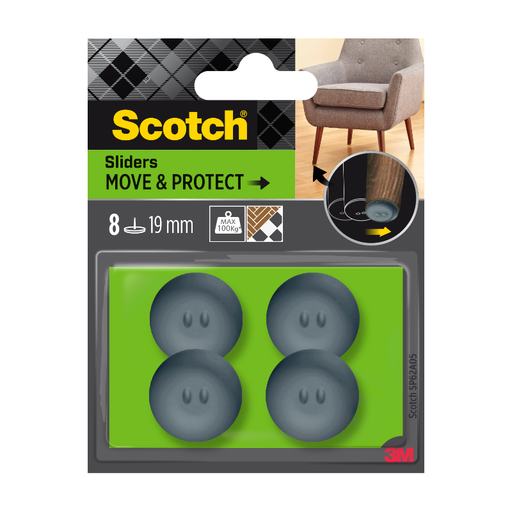
Why this choice suits this profile : its 19 mm diameter and pack of 8 are suitable for everyday furniture such as chairs, small tables and occasional furniture.
The listing specifies a load of 100 kg for 4 pads and use with furniture that is static or moved slowly. This helps prevent you from overestimating the product’s capacity.
A honeycomb structure, adhesive backing, grey finish and pack of 8. The product is advertised as compatible with all types of flooring.
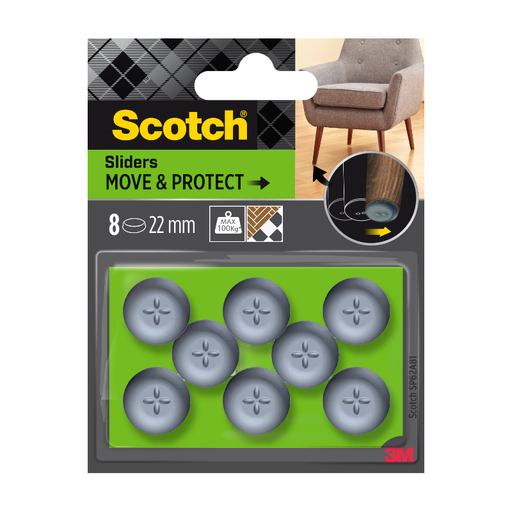
Why this choice suits this profile : its 22 mm diameter provides a larger contact surface for compatible furniture feet, with permanent installation.
The diameter is clearly stated: simply compare it with the furniture foot before fitting, rather than relying on a general product name.
A pack of 8 grey 22 mm pads, a honeycomb structure, permanent use and a stated load of 100 kg for 4 pads.
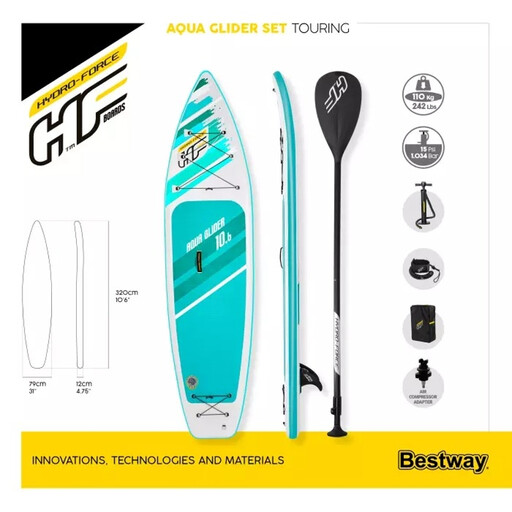
Why this choice suits this profile : this inflatable board is designed for adults who enjoy paddleboarding and want a touring format that is easy to transport and store.
The dimensions, weight of 11.8 kg, included hand pump and recommended maximum load of 110.22 kg are specified, allowing you to compare the equipment in practical terms.
An inflatable DropStitch construction, removable central fin, carry handle and valve for quick deflation. Use under the direct supervision of an adult.
We have compiled a complete, real-time updated list of products that fully meet these strict selection criteria and European safety regulations.
To ensure a secure fit and make moving furniture easier, follow these steps:
Inspect the pads after moving the furniture several times. Replace them if they come loose, crack or accumulate debris. Keep unused small parts out of the reach of children and animals, as they pose a choking hazard.
The models presented are advertised as compatible with all types of flooring, but the result depends on how clean and level the surface is, as well as whether any grit is present. On a delicate or recently renovated floor, test the pads in an inconspicuous area and move the furniture slowly.
Their lifespan varies according to the weight of the furniture, how often it is moved, the temperature and the condition of the floor. Careful installation and regular cleaning can slow down wear. It is better to check the adhesive and the surface of the pad periodically than to rely on a fixed theoretical lifespan.
Measure the diameter or width of the foot’s contact area. 19 mm grey pads are suitable for more compact supports, while 22 mm grey pads require more space. In both cases, the pad should remain properly centred and should not extend beyond the foot in a way that could cause problems.