
Livraison le jour même ou le lendemain

Qualité garantie

Débloquez vos offres de bienvenue: Livraison GRATUITE | Jusqu'à -80 % | 30 jours d'essai gratuits à JoyPlus
Téléchargez l'application
That chilly draft seeping under the door, the hallway noise creeping into your living room, the relentless dust buildup… These daily annoyances have a simple, budget-friendly solution: the adhesive door draft stopper. But be warned—the market is a minefield of good and bad products, and it's all too easy to make the wrong choice.
As a product expert for our editorial team, my mission is to cut through the noise for you. We'll skip the marketing jargon and focus on what truly matters. This guide gets straight to the point: helping you sidestep the common pitfalls and choose the product that's genuinely right for your needs, for front door insulation that delivers on its promise.
Before you jump on the first sale you see, let's review the deal-breaking flaws that can turn a good idea into a purchase you'll regret.
To stop a draft dead in its tracks, a few technical details make all the difference. Here are the points you should never overlook before buying.
The longevity of your installation depends 90% on the quality of the adhesive. Opt for products that mention a high-performance adhesive, often from reputable brands. Installation is just as crucial: the door surface must be perfectly clean, dry, and degreased. A simple wipe with rubbing alcohol can be the difference between a bond that lasts 5 years and one that fails in 5 weeks.
This is the most important point, yet it's the one most often ignored.
One last check before you buy: measure the gap between the bottom of your door and the floor. This is your key measurement.
To illustrate these criteria, here are our recommendations, each designed for a specific need.
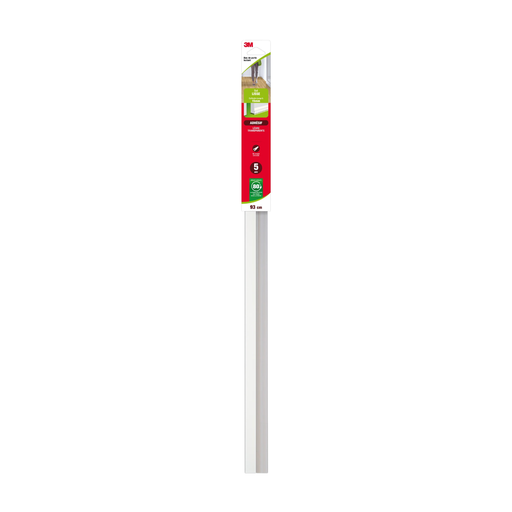
Why we recommend it: The go-to solution for modern interiors with wood, laminate, vinyl, or smooth tile floors. A classic, effective choice for most recent apartments and houses.
This model uses a renowned 3M adhesive for its strong hold and a flexible, transparent lip specifically designed for smooth floors, preventing friction and premature wear.
Its transparent lip is virtually invisible once installed, preserving the look of your door and floor. It can seal a gap of up to 15 mm.
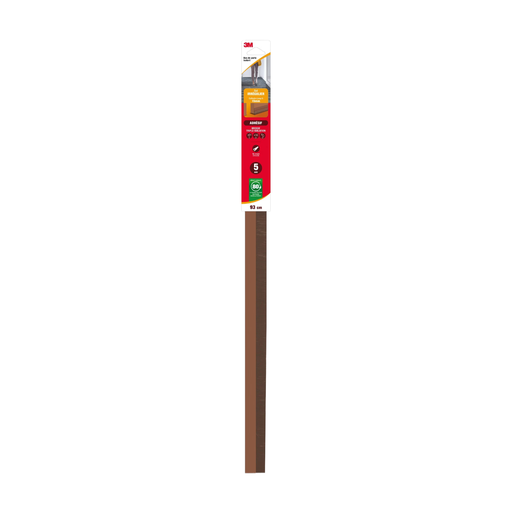
Why we recommend it: Essential for older homes, country houses, or any place with an uneven floor surface (terracotta tiles, old wood planks, wide-grout tiling).
It avoids the incompatibility trap thanks to its double row of flexible brushes. These conform to dips and bumps where a rigid lip would let air pass through.
Its design, combining a brush and a thin membrane, provides an effective barrier not only against air but also against noise and dust. The manufacturer claims a lifespan of over 5 years.
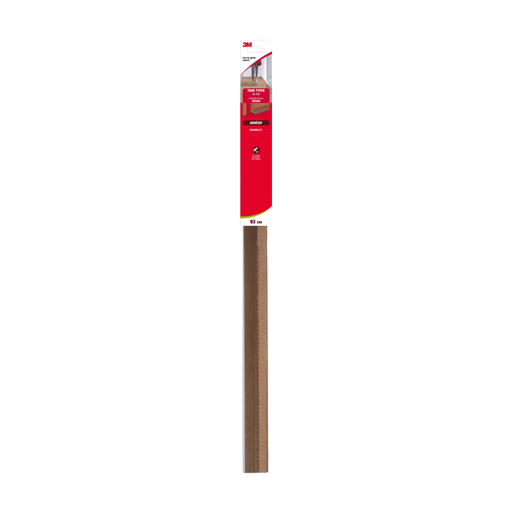
Why we recommend it: The ultimate solution for complex cases: a converted barn door, a utility door threshold, or when the gap under the door is large and the floor is very uneven.
Its strength lies in its ability to seal large gaps. Where a standard model would be useless, this one offers a robust solution thanks to its extended sealing height.
It can seal a gap of up to 30 mm—double that of most standard models—while retaining the flexibility of its brush to adapt to the floor.
It's all in the preparation. Thoroughly clean the bottom of the door with a cloth and a degreaser (like rubbing alcohol). Make sure the surface is completely dry. Measure the width of your door and cut the draft stopper to the correct size with a hacksaw or a heavy-duty utility knife. Apply it starting from one side, pressing firmly along the entire length to remove any air bubbles.
If the right model is chosen and installed correctly, the risk is almost zero. A brush or soft-lip model is designed not to scratch floors. As for the door, a quality adhesive can be removed without a trace by gently heating it with a hairdryer before pulling it off slowly. Damage is most often caused by an unsuitable draft stopper that rubs and wears down the floor.
It all depends on the product's quality and how often the door is used. A budget model might barely last one season. In contrast, a quality product with a high-performance adhesive and durable materials is typically designed to last more than 5 years under normal use. Simple maintenance, like cleaning the brush or lip once a year, can also extend its life.