
Livraison le jour même ou le lendemain

Qualité garantie

Débloquez vos offres de bienvenue: Livraison GRATUITE | Jusqu'à -80 % | 30 jours d'essai gratuits à JoyPlus
Téléchargez l'application
That chilly stream of air seeping under your front door is more than just an annoyance. It's a major energy drain, an open invitation for dust, and a gateway for neighbourhood noise. The adhesive door bottom seal is the simplest and most cost-effective solution to boost your door's insulation. The problem: the market is flooded with models that, despite their grand promises, prove disappointing in practice. To help you see clearly, we've broken down the common pitfalls to avoid and the essential criteria to check before you buy.
Before you jump on the first discounted model you see, beware of these common flaws that can render an adhesive draft stopper useless in just a few weeks.
To ensure you choose an effective and durable door bottom seal, carefully examine these three key points.
The choice of material is directly linked to the type of floor you have.
The staying power of a door weatherstrip depends entirely on its adhesive. Products that mention a recognised brand, like those in the 3M door bottom range, are often a guarantee of longevity. For maximum adhesion, the door surface must be impeccably clean, dry, and degreased before installation.
Precisely measure the space between the bottom of your door and the floor in several places. The product's technical specifications must state the maximum height it can cover (e.g., "up to 15?mm" or "up to 30?mm"). Choosing a model with capabilities that match your measurements is a prerequisite for ensuring its effectiveness.
To guide you, here are a few models that meet specific needs, selected based on the criteria we've just detailed.
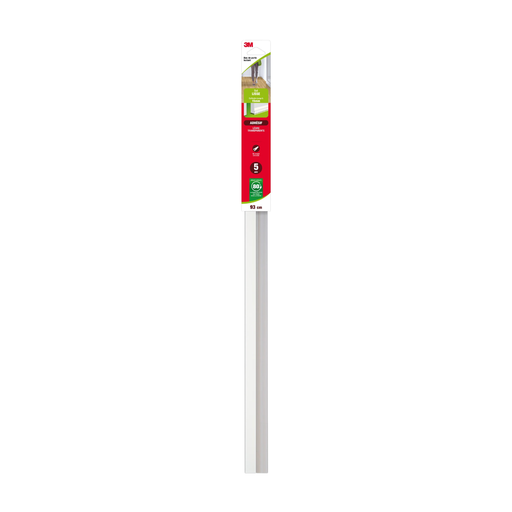
Why we recommend it: Perfect for apartments or houses with modern floors (hardwood, lino, smooth tile). Its white finish and transparent lip make it virtually invisible.
Its PVC design is specifically engineered for flat surfaces, sidestepping the pitfall of an unsuitable material. The 3M adhesive ensures a long-lasting bond.
It fills gaps up to 15 mm with a transparent lip for an ultra-discreet finish. Simple, tool-free installation.
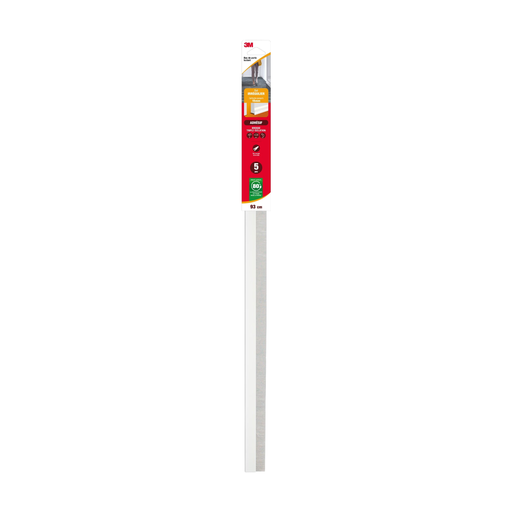
Why we recommend it: The solution for homes where the floor isn't perfectly level, such as tiled floors with pronounced grout lines or old hardwood that has warped slightly.
Its flexible PVC structure is designed to conform to irregularities, thus solving the classic problem of a rigid seal on an imperfect surface.
The material's flexibility ensures a continuous seal, even if the floor isn't perfectly straight. Installation remains a breeze.
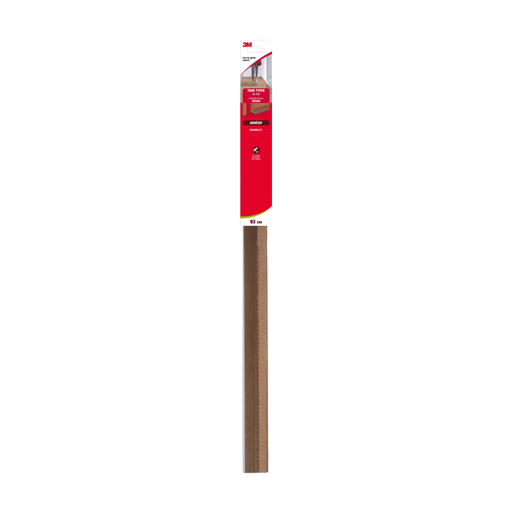
Why we recommend it: Specially designed for critical situations: garage doors, cellar doors, or old houses with very damaged floors and significant gaps under the door.
It overcomes two major pitfalls: its double-brush design tackles very uneven floors, and it's built to fill large gaps (up to 30 mm).
Capable of filling very large gaps (up to 30 mm) thanks to its double row of brushes, it offers superior thermal and acoustic insulation.
Discover our complete selection of products that meet our quality criteria and current safety standards.
The secret is all in the preparation. Clean the lower part of the door with denatured alcohol or a degreaser to remove all traces of dust, grease, or wax. Let it dry completely. Then, apply the door bottom seal without stretching the adhesive, and press firmly along its entire length for at least 30 seconds. Ideally, avoid using the door for a few hours.
Its longevity depends on the product's quality, the frequency of use, and the floor type. A good model, installed correctly on a compatible floor, can last for several years. For example, products using a 3M adhesive often claim a durability of at least 5 years under normal conditions.
Yes, and it's a significant benefit. By filling the gap under the door, a door bottom seal reduces the transmission of airborne noise. Naturally, the densest and thickest models, such as those with a double brush, will offer better acoustic insulation than a simple PVC lip. It's a welcome bonus on top of the thermal insulation.