
Livraison le jour même ou le lendemain

Qualité garantie

Débloquez vos offres de bienvenue: Livraison GRATUITE | Jusqu'à -80 % | 30 jours d'essai gratuits à JoyPlus
Téléchargez l'application
Want to modernise a wall, cover an unsightly floor joint, or add character to a room without getting into endless construction work? The adhesive decorative panel has it all. Quick to install, affordable, and accessible to any DIYer, it promises a stunning transformation. But be warned: the market is a jungle where the best sits alongside the worst. To avoid unpleasant surprises, it's crucial to read between the lines of product descriptions and focus on the right criteria.
As a Product Expert at Joybuy, my mission is to guide you. Let's break down the mistakes to avoid and the key points to check for an easy and truly successful interior renovation.
The promise of "ready-to-stick" can sometimes make you forget the essentials. Here are the three most common disappointments and, more importantly, how to prevent them.
To avoid falling into these traps, you just need to check a few technical points. These are the true guarantors of the quality and durability of your installation.
Not all adhesive coverings are created equal. The choice of material is decisive, both for the final look and for its resistance to the test of time.
A super-strong adhesive is useless on a poorly prepared surface. The success of the installation depends 50% on the surface! Before sticking anything, the surface must be clean, dry, and degreased. For high-traffic areas like an adhesive threshold strip, a professional-grade adhesive is non-negotiable. Read the instructions carefully: some manufacturers even recommend lightly heating the adhesive strip with a hairdryer to activate the glue and optimise its bond.
For a decorative wall panel, thickness is far from a minor detail. A 1 to 3 mm panel will have a much more striking visual impact and will hide small wall defects much better than a simple film of a few tenths of a millimetre. For a 3D wall panel, it's the depth of the relief that will create the play of light and shadow that gives the product its character.
To move from idea to action, here are a few products that meet specific needs and tick all the boxes in our guide.
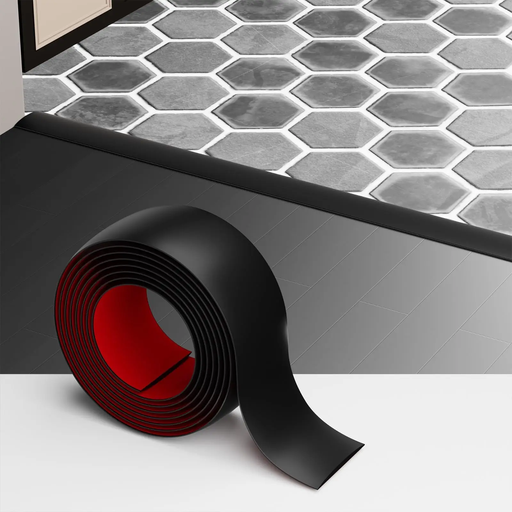
Why we love it: Ideal for a specific task, like finishing a floor joint. Its 122 cm length is perfect for a standard doorway, with no waste. The ultimate quick and effective solution.
Its adhesive is designed for floors, a high-traffic area. The PVC material resists scratches and wear, preventing premature peeling and a damaged appearance.
Ultra-simple "peel-and-stick" installation, no nails or glue required. The black wood-look finish is understated and matches many types of parquet or tile flooring.
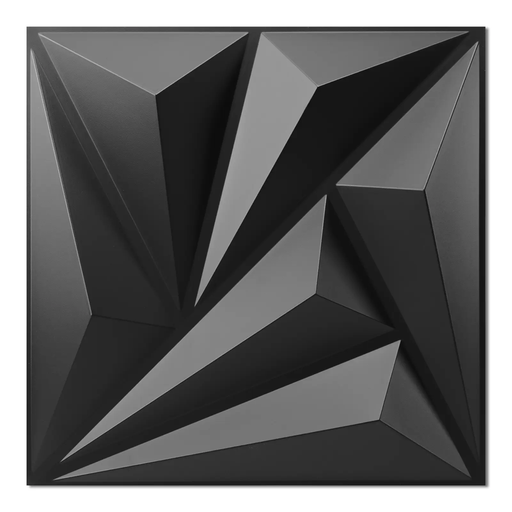
Why we love it: Perfect for creating a high-impact accent wall. The 3D geometric pattern adds depth and a bold contemporary style, whether in a living room, as a headboard, or in an office.
Made from high-density PVC, it is much more robust and higher quality than foam alternatives. No more cheap "plasticky" effect! Its rigid structure ensures a relief that won't sag over time.
Waterproof material, compatible with high-moisture areas like bathrooms (outside of direct shower zones). Easy to clean and built to last.
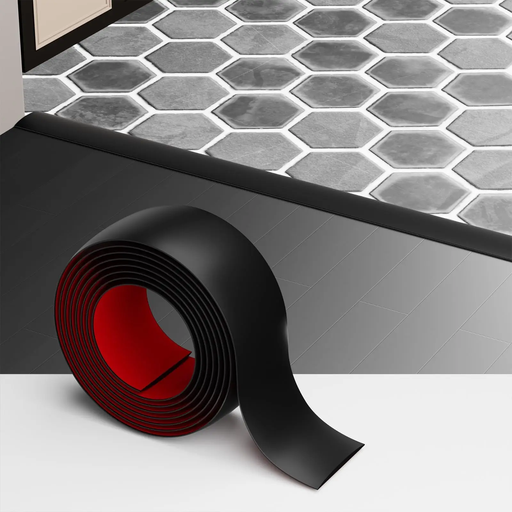
Why we love it: Its long 3-metre length is ideal for large-scale projects, like the junction between two floors in a large living room or a long hallway. It ensures a clean, professional, single-piece finish.
By minimising joints, you eliminate weak points where peeling could start. The roll format allows for a continuous, simpler, and more solid installation.
An excellent length-to-price ratio for large areas. The flexible PVC can be cut to size with a simple pair of scissors.
We have selected a full range of products that meet our criteria for quality and durability.
How long do adhesive panels last? Their longevity depends on three things: the quality of the product, the strength of the adhesive, and, above all, the care taken during installation. A well-installed PVC wall covering on a clean, dry surface can last for many years. In high-traffic or high-moisture areas, everything will depend on the product's specific resistance to these stresses.
Can you install an adhesive wall covering in a bathroom? Yes, but only if you choose a suitable product. Opt for a PVC wall covering sold as "100% waterproof" or "moisture-resistant." Surface preparation is even more critical here: it must be perfectly clean, dry, and non-porous. Absolutely avoid installation in direct water spray zones (like inside a shower), unless the manufacturer explicitly authorises it in black and white.
My wall isn't perfectly smooth, what should I do? For very slight imperfections (micro-cracks, fine grain), a thick adhesive panel or a 3D wall panel may be enough to cover them. For more significant defects, it is essential to prepare the wall beforehand. A light sanding, followed by a good cleaning and dusting, will ensure perfect adhesion and a flawless final result.