
Livraison le jour même ou le lendemain

Qualité garantie

Débloquez vos offres de bienvenue: Livraison GRATUITE | Jusqu'à -80 % | 30 jours d'essai gratuits à JoyPlus
Téléchargez l'application
Want to give your kitchen a fresh look or modernise your bathroom without committing to a lengthy and expensive project? It's a common dream. The adhesive backsplash has emerged as a miracle solution: it's fast, affordable, and a breeze to install. The only catch? The market is flooded with products of wildly inconsistent quality. To ensure the dream doesn't turn into a nightmare, it's crucial to know the pitfalls to avoid.
Before you buy, keep an eye out for these three deal-breaking flaws that are often overlooked:
There's no secret to choosing wisely: you need to focus on a few technical specifications that will make all the difference in the lifespan and aesthetic of your future backsplash.
The material is the first clue to the quality of an adhesive tile.
For a kitchen backsplash or a quick bathroom renovation, durability is not optional.
The longevity of an adhesive wall panel for the kitchen depends entirely on preparing the surface. The surface must be smooth, clean, dry, and non-porous. Existing tile, a painted wall (with sound, non-chalky paint), or plasterboard are ideal surfaces. Textured walls, wallpaper, or dusty surfaces should be avoided, as the adhesive will not stick properly. Meticulous cleaning and degreasing of the area are therefore essential steps before you begin.
Because every project is different, here is our selection to meet all needs and budgets.
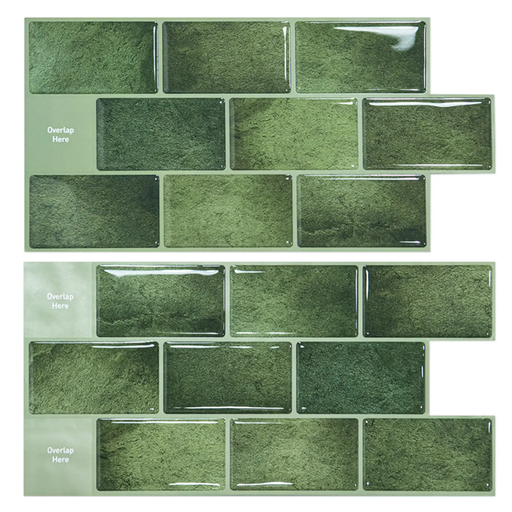
Why it's a good choice: Ideal for renters or for a quick, low-cost update. Its 30x30 cm format and timeless subway tile look make it easy to modernise a backsplash effortlessly and on a tight budget.
This vinyl model features a 3D epoxy gel layer, giving it a slight texture and much better moisture resistance than a simple flat sticker. Designed specifically for backsplashes, it reduces the risk of premature peeling.
Installation is a breeze thanks to the large-format panels that cover more surface area with fewer seams. The material is water-repellent and can be cleaned with a simple wipe of a sponge.
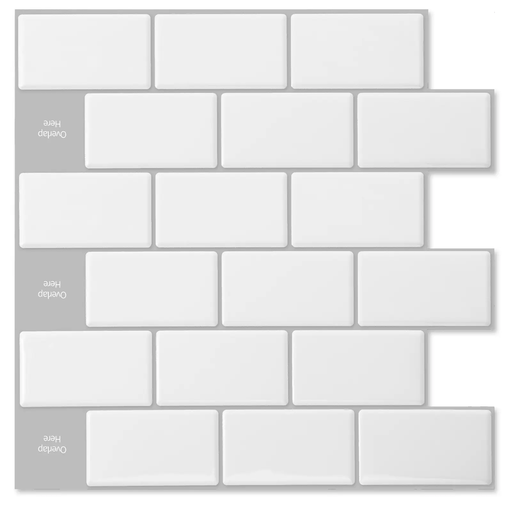
Why it's a good choice: For those who demand a visual result nearly identical to real tile, without the installation hassles. It's the perfect choice for a durable renovation where a high-quality finish is paramount.
Its pronounced 3D gel texture and superior thickness completely eliminate the flat "sticker" effect. Its professional-grade adhesive ensures a rock-solid bond, even in humid areas.
The material is treated to resist yellowing and heat. The flexibility of the tiles makes installation easy, even in corners.
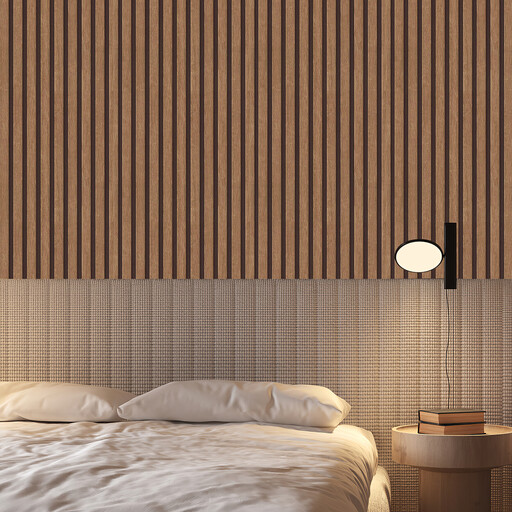
Why it's a good choice: For those who want to think outside the box and create a warm, textured accent wall. This adhesive wall panel is perfect for adding character to a living room, bedroom, or office.
This product is clearly marketed as a decorative vinyl wall covering, ideal for an accent wall, not a kitchen backsplash. This prevents any disappointment related to use near a heat source.
The wood slat design adds a touch of modern warmth without the complexities of carpentry. Its PVC material is durable, easy to clean, and can be installed edge-to-edge for a seamless finish.
Have your walls been transformed? Consider lighting to perfect the atmosphere. Well-chosen sconces will enhance your new decor and highlight the textures.
Once your new backsplash is installed, the right lighting will make all the difference. Discover our selection of wall sconces to put the finishing touch on your project.
Its longevity primarily depends on the product's quality and the conditions of installation and maintenance. A simple vinyl model will last between 1 and 3 years, while a high-quality 3D gel backsplash, properly installed and maintained, can remain flawless for over 5 years. Direct exposure to sunlight, high heat, or constant humidity will logically reduce its lifespan.
This is THE recurring question. There is only one golden rule here: consult the manufacturer's specifications. Most vinyl or PVC backsplashes are not recommended for use behind a gas cooktop. For electric or induction cooktops, a safety distance of 15 to 25 cm is almost always required. For maximum safety, opt for specific panels made of aluminium or stainless steel, or install a transparent glass protection plate over your backsplash.
To remove the backsplash without causing damage, the secret is to soften the glue. Use a hairdryer to gently heat the surface, starting from a corner. Then, pull the panel away slowly and gradually while continuing to heat the area you are peeling. If any glue residue remains, it can be easily removed with an adhesive remover or rubbing alcohol (be sure to test it on a small, inconspicuous area first).