
Livraison le jour même ou le lendemain

Qualité garantie

Débloquez vos offres de bienvenue: Livraison GRATUITE | Jusqu'à -80 % | 30 jours d'essai gratuits à JoyPlus
Téléchargez l'application
Want to give your kitchen or bathroom a facelift without endless renovations? The promise is tempting. Adhesive backsplashes have emerged as the go-to solution for modernising a space in a flash and on a budget. The problem: in today's market, quality can be hit-or-miss. To avoid buyer's remorse from an adhesive that peels off after three weeks or a disappointing "plastic" look, you need to know what to look for. This guide is here to help you sort through the options and choose the right product.
The appeal of an easy installation can sometimes hide flaws that only appear after you're done. Here are the most common pitfalls:
To ensure the durability and aesthetic appeal of your project, keep an eye on these three key points before you check out.
The material is the heart of the matter. It determines both the visual finish and the longevity of your backsplash.
Thickness is a good indicator of quality. A product that is too thin will struggle to hide wall imperfections and will have a decidedly low-end look. For a convincing adhesive kitchen tile effect, a thickness of at least 1.5 to 2.5 mm is recommended. The texture (the 3D effect) is what makes all the difference between a simple decorative sticker and a credible imitation. Check that the grout lines are well-defined and that the surface of the "tiles" has texture.
A renter-friendly backsplash or one for a quick renovation should be installable without extensive prep work. Most adhesive backsplashes require a perfectly smooth, clean, dry, and non-porous surface. They adhere well to existing tile, a painted wall (satin or gloss finish), melamine, or glass. However, forget about applying them to a plastered, textured, or matte-painted wall: the adhesion simply won't be there.
Because every project is unique, here are our recommendations for different needs and budgets.
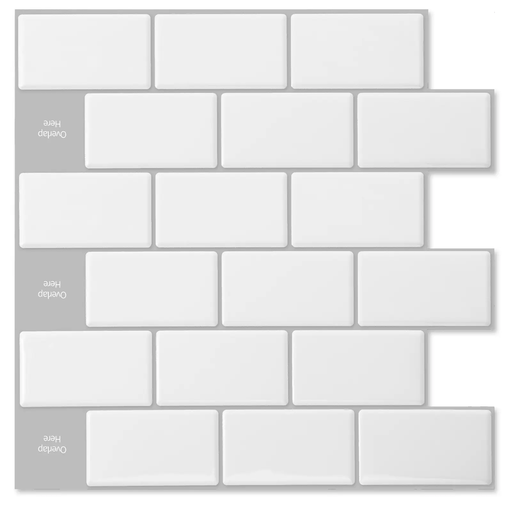
Why we love it: Perfect for achieving the timeless look of subway tile without the complex installation. It's the express solution for a quick and budget-friendly kitchen renovation, delivering a clean, modern result.
Its thick, well-defined gel texture creates a true 3D effect that banishes the flat, cheap look of simple stickers. The relief is visible and tangible, closely mimicking real ceramic tile.
The 10-pack covers nearly 1 m? (0.9 m?), making it an excellent value for covering a full backsplash area.
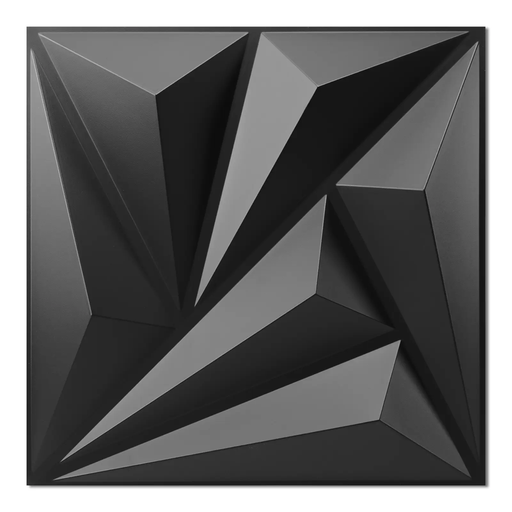
Why we love it: Perfect for creating a bold accent wall with an architectural touch. This isn't just an imitation; it's a true decorative element that brings texture and depth to a room.
Made from high-density rigid PVC, this panel is nothing like a simple sticker. Its robust structure ensures a lasting 3D effect and a premium visual finish that won't warp.
Water-resistant, it can easily be used in a bathroom (outside of direct shower spray). The 20-pack covers 1.8 m?, enough to create a wall with maximum visual impact.
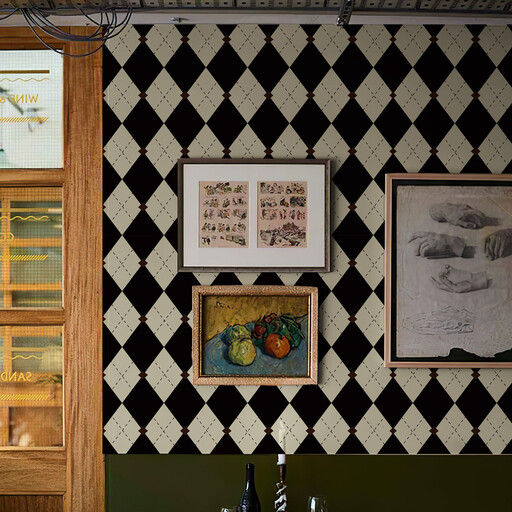
Why we love it: The dream solution for personalising a rental apartment without leaving a trace. It allows you to add a modern, graphic touch to a wall, the back of a shelf, or a stair riser.
Unlike rigid panels, its "wallpaper" format makes it much easier to handle and apply to large areas, provided the surface is smooth and clean.
Its trendy geometric pattern adds structure to the space. The 1.3 m? roll is perfect for targeted projects like accent nooks, stair risers, or a headboard.
Discover our complete selection of wall coverings that check all the boxes: design, durability, and ease of installation.
1. Can an adhesive backsplash withstand heat behind a cooktop? Heat resistance varies dramatically from one product to another. Simple vinyl models are not recommended for direct exposure to intense heat. For use behind a cooktop (gas or ceramic), it is essential to choose backsplashes specifically designed for this purpose, often made of epoxy gel or aluminium. Always check the manufacturer's specifications and maintain a safe distance of at least 15 to 20 cm between the heat source and the backsplash.
2. Can you install an adhesive tile backsplash in a bathroom? Yes, with a few precautions. Opt for a product explicitly designed to be moisture-resistant. The installation must be flawless to prevent any water from seeping under the adhesive. It is best used on walls outside of direct water spray zones, such as inside a shower. For the area around a sink, it is perfectly feasible if the installation is done carefully.
3. How long does an adhesive wall covering last? Its lifespan depends on three factors: the quality of the product, the preparation of the surface, and the environment. A high-quality product, applied to a perfectly prepared surface and in an area with low exposure to aggressors (heat, humidity, impacts), can last for several years without any issues. Entry-level models may show signs of wear (peeling, yellowing) in less than a year. Investing in a quality product often pays off in the long run.