Hosts keeping an eye on added sugars
You want to choose your coffee base based on its ingredients, then control what goes into each glass: water, ice, mixing liquid and toppings.


For a Christmas drinks party where avoiding added sugars is a priority, start with a coffee base whose ingredients you can control: a concentrate to dilute for several drinks, or ground coffee that you can brew and chill. A ready-to-drink coffee with milk can make serving easier, but the claim “reduced sugar” does not, by itself, meet this requirement. Check the liquids and toppings added to each recipe too.
You want to choose your coffee base based on its ingredients, then control what goes into each glass: water, ice, mixing liquid and toppings.
You’re looking for a base you can mix one glass at a time, tailoring drinks to your guests’ preferences without brewing each coffee in a machine when it’s time to serve.
You prefer individual portions or something you can serve straight away. If avoiding lactose matters too, consider this separately from whether the drink contains added sugars.
Best for: Making several iced coffees while adjusting the liquid and dilution for each glass. L’OR Espresso says its range of concentrates makes up to 16 drinks per bottle.
Bear in mind: The final ingredients also depend on the liquid and toppings you add. Check each concentrate flavour separately.
Best for: Starting with pure coffee and choosing what else to add yourself. Carrefour’s listing for Carte Noire Classique ground coffee shows just one ingredient: 100% arabica ground coffee.
Bear in mind: You’ll need to brew the coffee and chill it before the party.
Best for: Choosing an individual portion you can serve chilled, after checking the ingredients of the specific product.
Bear in mind: “Reduced sugar” and “lactose-free” do not mean “no added sugar”.
| What to consider | What to check | Who this matters to |
|---|---|---|
| Added sugars | Read the ingredients for the exact product, and distinguish between “no added sugar” and “reduced sugar”. Also check the “of which sugars” line in the nutritional information. | If I want to avoid added sweetening ingredients, the ingredients matter more than serving speed; around 33% of consumers would make this their priority. |
| Serving several drinks | Check how many drinks the product is said to make and how much concentrate to use per glass. Check the ingredients of each mixing liquid separately. | If I want to let my guests choose between black coffee and a drink with milk, I prefer a flexible base. Around 27% of consumers would make this their priority. |
| Preparation | Compare the steps involved: a ready-to-serve drink, a concentrate to mix, or coffee that needs brewing and chilling. | When serving needs to be simple, I mainly want to keep preparation to a minimum just before my guests arrive; around 20% of consumers would prioritise this. |
| Milk and sweeteners | Check the ingredients for milk, any lactose claims and sweeteners. If you’re considering a drink with milk, check the sugars per 100 ml. | If dairy ingredients or sweeteners matter to my guests, I need to choose a format based on its exact ingredients. This would be the main concern for around 20% of consumers. |
Auchan describes Starbucks Caffè Latte as reduced sugar. It contains 3.9 g of sugars per 100 ml and the sweetener acesulfame-K. Neither its sugar content nor the “reduced sugar” claim is enough, on its own, to tell you whether sugars have been added.
Consider the claim on the product, its ingredients list and its nutritional information together.
The ingredients in a coffee base don’t tell you what’s in the finished drink if you add a flavoured liquid, syrup or topping.
Check every addition and serve sweet ingredients on the side so guests can make their own drinks.
ALDI’s listing for Barissimo soluble iced coffee says it’s unavailable. If you spot a product for your party, don’t make it your only option without checking first that you can get it.
Check local availability and the label of the product on offer. Pure coffee that you can brew could be an alternative base.
A ready-to-drink coffee with milk may need storing differently from ground coffee or concentrate.
Follow the instructions on the packaging, particularly for serving chilled and consuming the drink after opening.
The Espresso Concentrate range gives you a base to mix into hot or iced drinks. With Pure Black, you can choose separately what to add to your glass.
Classique ground coffee can be used as the starting point for a homemade iced coffee recipe.
Auchan’s lactose-free Starbucks Caffè Latte is an example of an individual portion with milk that can be served chilled. Assess it separately from the “no added sugar” requirement.
ALDI’s Barissimo range includes ground and instant coffees. If you’re making a recipe at home, check the ingredients of each product individually.
These two ground coffees are suitable for making at home: brew the coffee in advance, leave it to cool, then choose what to add to each glass. They’re not a substitute for a ready-to-serve cold drink.
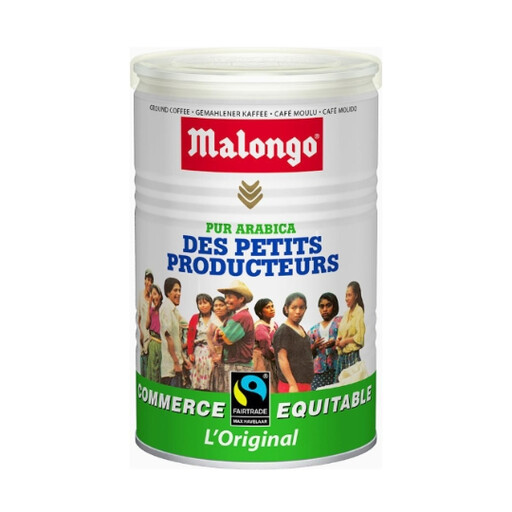 Image unavailable
For preparing a coffee base in advance to serve chilled.
Ground coffee, 250 g pack. Brew and chill the coffee before serving; if you’re considering cold brewing, check the recommended preparation instructions.
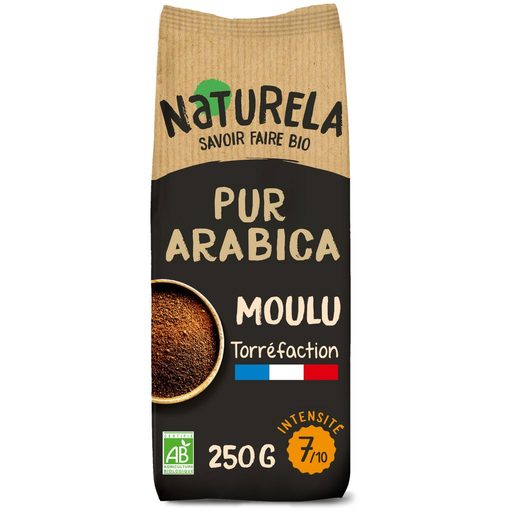 Image unavailable
For a homemade iced coffee recipe where you choose what to add separately.
100% arabica ground coffee, 250 g pack. Allow time to brew and chill it before serving. Check the product instructions if you want to brew the coffee cold.
No. These claims aren’t interchangeable. Auchan describes Starbucks Caffè Latte as reduced sugar and lists 3.9 g of sugars per 100 ml. This figure alone doesn’t tell you where the sugars come from. Read the ingredients list and check the exact claim for the product you choose.
Start with a coffee base whose ingredients you’ve checked, then serve it with ice and water or another liquid whose ingredients you’ve also checked. A concentrate lets you adjust each glass as you serve it; with ground coffee, brew and chill it in advance. Check any syrups and toppings separately.
Not necessarily. Being lactose-free and whether a drink contains added sugars are two separate considerations. Auchan’s lactose-free Starbucks Caffè Latte contains milk and the sweetener acesulfame-K, and has 3.9 g of sugars per 100 ml. Check its ingredients list if both requirements matter to your guests.