
Livraison le jour même ou le lendemain

Qualité garantie

Débloquez vos offres de bienvenue: Livraison GRATUITE | Jusqu'à -80 % | 30 jours d'essai gratuits à JoyPlus
Téléchargez l'application
Whether you're an aspiring vlogger, an extreme sports enthusiast, or a traveller eager to capture memories, choosing the right action camera can often be a headache. The market is flooded with technical promises and marketing claims that too often hide deal-breaking flaws. As the head of product recommendations at Joybuy, my mission is to help you see things more clearly.
Before you jump on the first model you see on sale, let's break down the 3 most common pitfalls that cost uninformed buyers dearly.
To make an informed choice, focus on a few non-negotiable technical features. Forget the marketing jargon and scrutinise these three points.
This is arguably THE most important criterion. Good stabilisation transforms a rough, chaotic sequence into a smooth video worthy of being shared.
Image quality isn't just about the 4K logo.
For water activities, this is a non-negotiable criterion.
To help you connect these criteria with real-world uses, here are our top picks for different types of users.
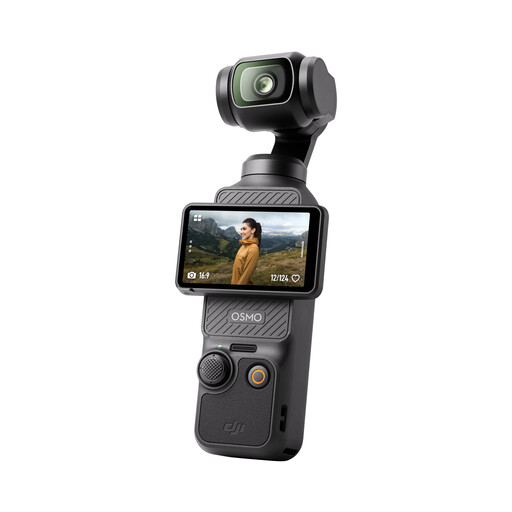
Why it's the right choice: Perfect for demanding vloggers and creators seeking premium image quality and absolute smoothness. Its pocket-sized format and rotating screen make it incredibly practical for filming yourself with professional-looking results.
Its 3-axis mechanical stabilisation obliterates the problem of shaky videos, offering unparalleled smoothness compared to a simple EIS. Its large 1-inch sensor ensures true 4K quality, even in low light, without any interpolation.
Cinematic image rendering thanks to the gimbal and large sensor. Its subject tracking (ActiveTrack) is incredibly effective for keeping shots in focus, even while moving.
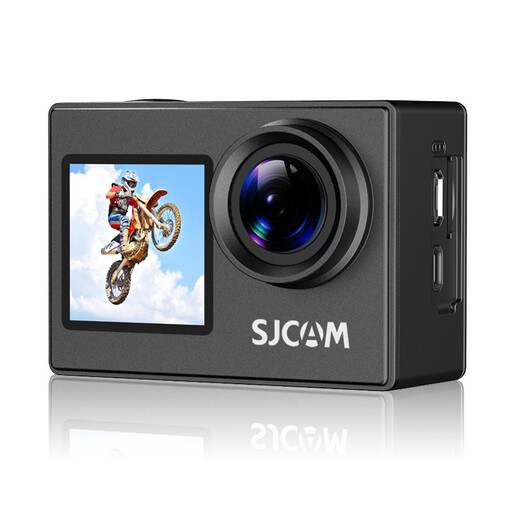
Why it's the right choice: An excellent entry point for capturing your athletic feats (mountain biking, skiing, etc.) without breaking the bank. Its comprehensive accessory pack makes it ready to use right out of the box.
It avoids the hidden cost trap by including the waterproof case for up to 30 metres by default. The brand is transparent about its interpolated 4K, but the camera delivers excellent native 1080p quality at 60 fps, which is what really matters at this price point.
Unbeatable value for money. The dual screen (rear for control, front for framing) is a real bonus for selfies and vlogs.
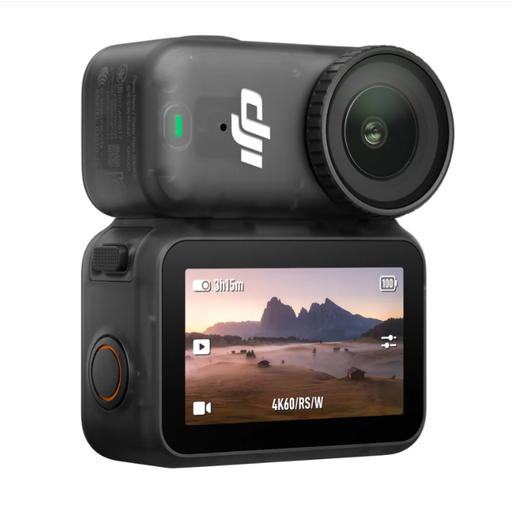
Why it's the right choice: This portable mini camera is designed for capturing action on the fly. Its brilliant magnetic mount lets you clip it anywhere: on a helmet, motorcycle and bike handlebars, or even clothing for stunning point-of-view (POV) shots.
It offers true 4K/60fps resolution in a pocket-sized format, avoiding the fake 4K trap found on other compact models. Its waterproofing is clearly stated (10 m) without ambiguity.
Extreme portability and versatility thanks to its feather-light weight and magnetic mount. The perfect tool for hands-free use.
We have compiled a comprehensive and up-to-date selection of products that meet our strict selection criteria and current regulations.
Electronic stabilisation (EIS) is software-based: it slightly crops the image to digitally compensate for shakes. Mechanical stabilisation (gimbal) is hardware-based: micromotors physically isolate the lens from vibrations. The result from mechanical stabilisation is far more natural and effective, especially during large movements.
Not necessarily. A perfectly stable 1080p video with great colours will always be more pleasant to watch than a shaky, poorly exposed 4K video. 4K is a real plus for cropping in post-production or for displaying on a large screen, but the overall quality (stabilisation, sensor, optics) always takes precedence over the race for more pixels.
The battery life advertised by manufacturers is always measured under ideal conditions (e.g., 1080p at 30 fps, Wi-Fi off). In real-world conditions, filming in 4K with stabilisation and Wi-Fi enabled, you should expect around 60 to 90 minutes for most models. For longer sessions, carrying one or more spare batteries isn't an option—it's a necessity.