
Livraison le jour même ou le lendemain

Qualité garantie

Débloquez vos offres de bienvenue: Livraison GRATUITE | Jusqu'à -80 % | 30 jours d'essai gratuits à JoyPlus
Téléchargez l'application
Whether you're an extreme sports enthusiast, a passionate vlogger, or an avid traveller, are you looking for the perfect action camera to immortalise your feats? The selection is vast, and the technical jargon can quickly become overwhelming. Don't panic! This guide is here to help you see clearly and find the model that truly fits your needs and budget, without the marketing fluff.
Before diving into our top picks, let's review the key points that will guide your choice.
Resolution determines the level of detail in your videos. Today, the 4K sports camera has become the standard, offering a sharp and precise image that's ideal for most screens. Some models go up to 8K: a great asset for pros who want to reframe their shots without losing quality, or for those who want future-proof memories for tomorrow's screens. Don't overlook the frame rate (measured in fps): from 60 fps upwards, you'll get perfectly smooth motion and breathtaking slow-motion shots.
The make-or-break feature for an action camera is its ability to eliminate shakes for a stable result. A camera with electronic stabilisation (EIS), which relies on a gyroscope, is simply essential for filming while mountain biking, skiing, or running. Durability is just as crucial. Check if the model that catches your eye is a waterproof camera without a case and to what depth. For diving, an additional housing often remains essential.
The camera's shape dictates its use. A mini action camera will go unnoticed due to its discretion and light weight, ideal on a helmet or as an everyday vlogging camera. Conversely, a 360 camera films absolutely everything, giving you total creative freedom in post-production to choose the best angle after the fact. Also, consider the little extras that make a difference: a touchscreen, voice control, fast Wi-Fi for transferring your files, or the ability to connect an external microphone for impeccable sound.
Here are a few models that stand out from the crowd and cater to different profiles.
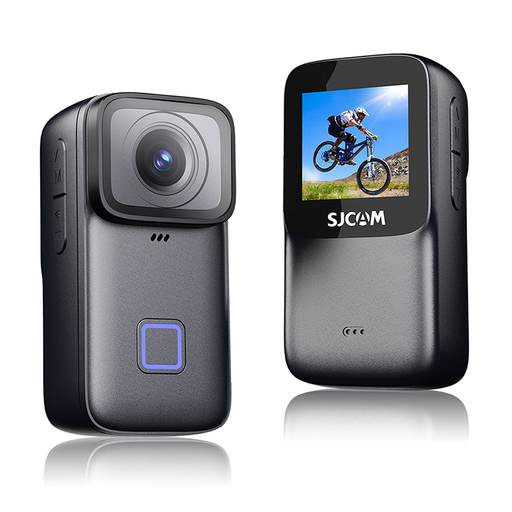
What makes it stand out
The SJCAM C200 Pro shines with its ultra-compact form factor and feather-light weight. It's an excellent entry point into the world of 4K, without sacrificing essentials like stabilisation or waterproofing.
Key Features
Who is it for?
This is the smart choice for beginners, those on a tight budget, or anyone wanting a discreet, portable second camera to capture the moment.
See details for the SJCAM C200 Pro
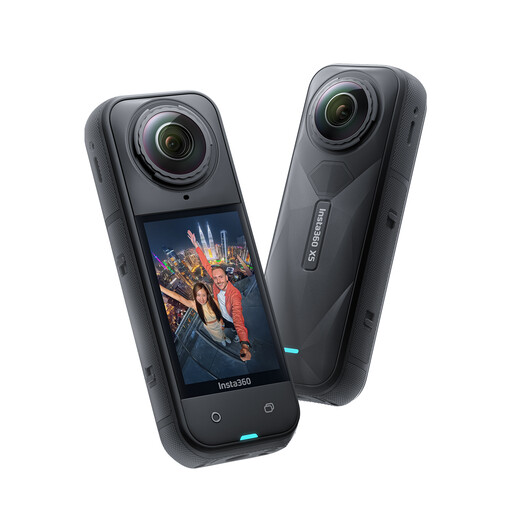
What makes it stand out
The Insta360 X5 opens up a new world of possibilities with its 8K 360-degree recording. The principle: shoot first, frame later. It's impossible to miss the action! Its famous "invisible selfie stick" effect offers drone-like perspectives, as if it were following your every move.
Key Features
Who is it for?
For content creators, action sports enthusiasts, and travellers who want immersive and original videos with complete creative freedom in post-production.
See details for the Insta360 X5
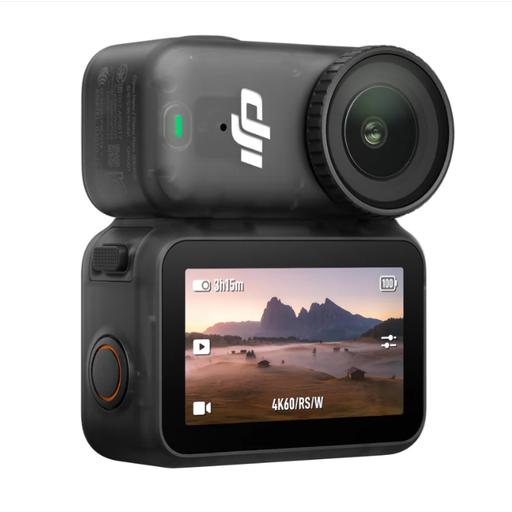
What makes it stand out
The DJI Osmo Nano plays the extreme portability and simplicity card with its ingenious magnetic mounting system. Designed for vlogging and point-of-view (POV) shots, this mini action camera attaches anywhere to effortlessly document daily life.
Key Features
Who is it for?
Perfect for vloggers, travellers, and anyone looking for a high-performance, discreet camera that's always ready to capture their activities without weighing them down.
See details for the DJI Osmo Nano
If these models don't check all your boxes or if you have more specific needs (long recording sessions, other portable uses...), other solutions are available.
Discover our selection of comfortable portable gaming cameras
For the vast majority of uses, 4K offers the best balance between image quality, file size, and compatibility with current screens. 1080p remains relevant for occasional use or to save space. 8K, on the other hand, is primarily for professionals and experts who need a lot of flexibility in post-production.
Yes, most recent models are waterproof to a certain depth (usually 5 to 15 metres) without a case. This is more than enough for rain, a snorkelling session, or water sports. However, for scuba diving, a dedicated waterproof housing is almost mandatory to go down to 40 or 60 metres. Always remember to check the manufacturer's specifications.