
Livraison le jour même ou le lendemain

Qualité garantie

Débloquez vos offres de bienvenue: Livraison GRATUITE | Jusqu'à -80 % | 30 jours d'essai gratuits à JoyPlus
Téléchargez l'application
Diving into acrylic painting is an exciting creative adventure. But with the overwhelming array of products available, choosing your first acrylic paint set can quickly become a challenge. Should you prioritise the number of colours, the size of the tubes, or a brand's reputation??
This guide is here to help you decide. As the Head of Product Recommendations at Joybuy, I'll break down the essential criteria for choosing the right kit and present a selection of ideal supplies to get you started.
Before you commit to a product, it's essential to understand what makes a good starter kit. Here are three key points to check to ensure you make the right choice.
A beginner's acrylic paint set doesn't need to be overflowing with fifty different colours. On the contrary, a more concise but well-curated set is often more educational?: it encourages you to master the art of mixing.
The ideal choice?? A kit that includes, at a minimum, the three primary colours (cyan or primary blue, magenta or primary red, and primary yellow), plus black and white. These five basic shades are all you need to create a nearly infinite palette. The inclusion of generously sized acrylic paint tubes (75?ml, for example) is also a good sign?: you'll have enough material to experiment without worrying about running out.
The quality of an acrylic paint rests on two pillars?: the pigments (for colour) and the binder (the resin that holds it all together). A high-quality paint is distinguished by its high pigment concentration, which guarantees more vibrant, opaque colours that won't fade over time.
Renowned fine arts brands, such as Clairefontaine, use pure resins that prevent the artwork from yellowing. For a beginner, investing in good quality from the start ensures a more enjoyable experience and far more motivating results.
Paint alone isn't enough. To get started, you'll need some complementary fine art supplies. Brushes, of course, are essential. They come in all shapes and sizes, but a small assortment (fine brushes for details, wider ones for flat areas of colour) is an excellent starting point.
Also, consider your surface. Painting on canvas remains a timeless classic, but one of acrylic's greatest strengths is its versatility?: it adheres to thick paper, cardboard, wood, and even metal. A well-prepared surface is the key to a successful result.
Here is a selection of products that provide a solid foundation for anyone looking to begin or improve their acrylic painting skills.
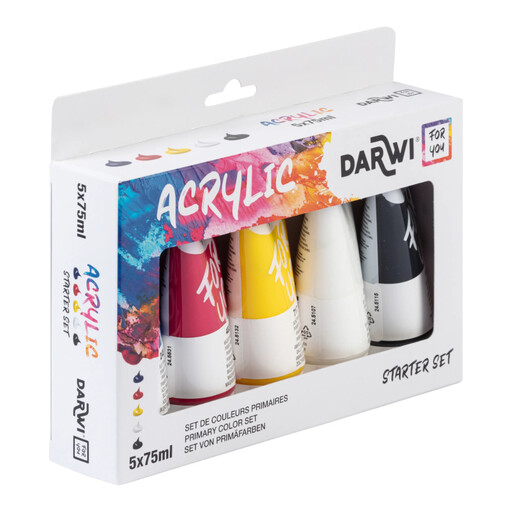
Why this product stands out?: This set gets straight to the point, offering the five fundamental colours in a generous 75?ml format. Its formula, based on highly concentrated pigments and a pure acrylic resin, guarantees intense colours and excellent longevity. Its creamy, satin-finish texture makes it a pleasure to work with, whether with a brush or a palette knife.
Key Strengths?:
Who is it for?? This kit is perfect for budding artists, art students, and craft enthusiasts looking for high-quality materials to get started, without being weighed down by dozens of unnecessary colours.

Why this product stands out?: Once you've laid down the basics, the details make all the difference. This brush duo is specially designed for precision work. Their tapered filaments and unique shapes (a 22?mm quadrilateral and a 24?mm triangle) offer optimal control for fine lines, touch-ups, and delicate finishes.
Key Strengths?:
Who is it for?? Ideal for artists, model makers, and crafters who need surgical precision for their detail work.
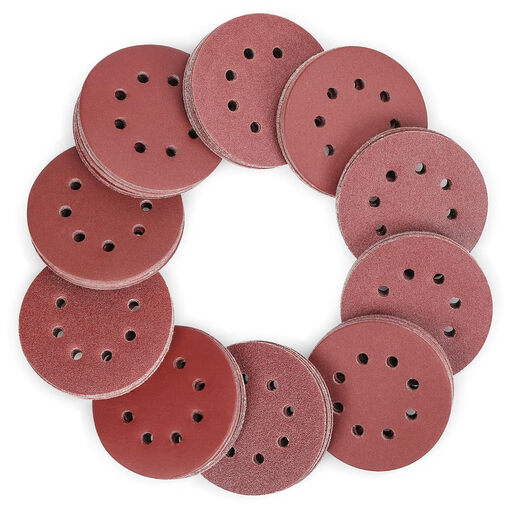
Why this product stands out?: Surface preparation is an often-underestimated, yet crucial, step. This assortment of abrasive discs is the perfect partner for those working on wood or preparing their canvases with gesso. With 9 different grits (from 60 to 600), it covers every stage, from coarse sanding to the ultra-smooth finish required before you start painting.
Key Strengths?:
Who is it for?? An excellent addition for DIY enthusiasts and artists who want to master their surface preparation from start to finish, ensuring a perfectly smooth base for an optimal result.
Our selection focuses on a starter kit and essential tools. If you wish to explore a wider range of colours, brands, or paint types, many other options are available to you.
To discover a broader array of products, take a look at our dedicated category.
? Explore Our Paint and Dyes Collection
The main difference lies in the binder and the drying time. Acrylic paint, which is resin-based, dries very quickly (from a few minutes to an hour), making it ideal for layering. Oil paint, on the other hand, dries very slowly (several days or even weeks), allowing more time to work on gradients and blends. When it comes to cleanup, they are also night and day?: water is used for acrylics, while specific solvents are required for oils.
This is one of its greatest strengths?: acrylic is a true all-rounder! It adheres to almost any non-greasy surface?: canvas, paper, cardboard, wood, fabric, stone, metal... For very smooth or non-porous surfaces (like glass or plastic), simply remember to apply a primer (like the famous "gesso") to ensure perfect adhesion.
The golden rule is to clean your brushes immediately after use?! Once dry, acrylic paint is permanent. Rinse them thoroughly with lukewarm water and a little mild soap (like Marseille or castile soap) to dislodge the pigments from the base of the bristles. Give them a final rinse, reshape them with your fingers, and let them dry flat or with the bristles pointing down.