
Livraison le jour même ou le lendemain

Qualité garantie

Débloquez vos offres de bienvenue: Livraison GRATUITE | Jusqu'à -80 % | 30 jours d'essai gratuits à JoyPlus
Téléchargez l'application
The arrival of warmer weather sparks the desire to furnish your garden, patio, or balcony. An acacia garden lounge set is captivating with its warm aesthetic and natural elegance. However, behind the attractive photos can lie disappointment: wood that turns grey in a few months, underwhelming comfort, or limited durability. To help you make an informed decision, we've broken down the most common mistakes and the essential criteria to check before you buy.
The outdoor furniture market is vast, and it's easy to fall into common traps. Here are the key points to watch out for to avoid a purchase you might regret.
To invest in a garden lounge set that will satisfy you for years to come, focus on a few objective characteristics rather than just marketing claims.
Acacia wood is renowned for its density and natural durability. To go a step further, check for the FSC-certified acacia wood (Forest Stewardship Council) label. This certification guarantees that the wood comes from responsibly and sustainably managed forests. While the label itself isn't a guarantee of superior strength, it often reflects an overall commitment to quality from the manufacturer.
The quality of the seating is paramount. Opt for cushions made from polyester or olefin, materials known for their good UV resistance and water-repellent properties. A water-repellent fabric prevents water from penetrating immediately, giving you time to bring the cushions indoors during a sudden downpour. Another major advantage is having removable and machine-washable covers, which significantly simplifies maintenance.
Your outdoor space is unique. Think about how you want to use it. A classic lounge set is perfect for relaxing, but other options might better suit your needs. A high garden table creates a convivial bistro atmosphere, ideal for drinks. To optimise small spaces, a garden storage bench offers a clever solution by combining extra seating with discreet storage for cushions or accessories.
To guide you, here are a few models that meet specific needs, taking into account the quality and functionality criteria we've just discussed.
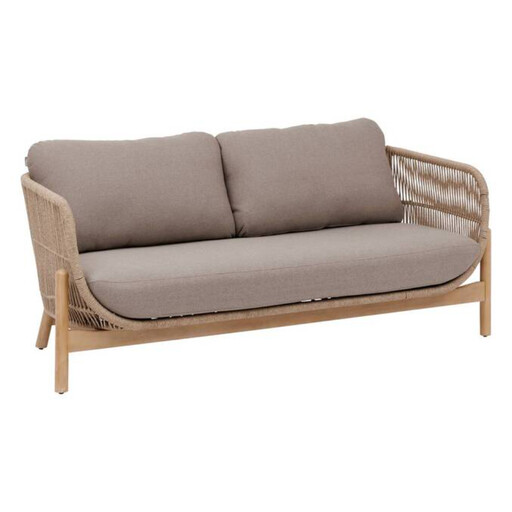
Why we chose it: Ideal for creating an intimate relaxation corner on a balcony or small patio. Its design, blending rope and acacia legs, adds an organic and elegant touch without overwhelming the space.
It tackles the pitfall of sacrificed comfort with its thick cushions, enveloping armrests, and water-repellent, removable polyester covers, which simplify maintenance.
A combination of trendy materials (rope and acacia) for a polished look. Optimised comfort for relaxation.
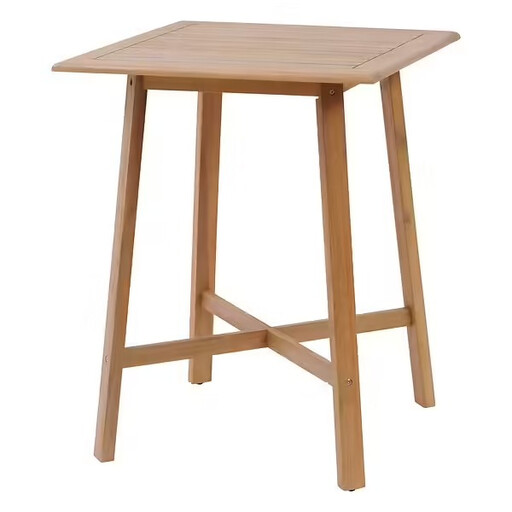
Why we chose it: Perfect for those who enjoy informal entertaining. Its bar-height style and square format (80x80 cm) are ideal for drinks and casual meals on a patio.
It avoids the "all-acacia" illusion: this model is genuinely made from FSC-certified acacia wood, a mark of transparency regarding the material's origin.
FSC certification and a modern, space-saving bar-height design that encourages socialising.
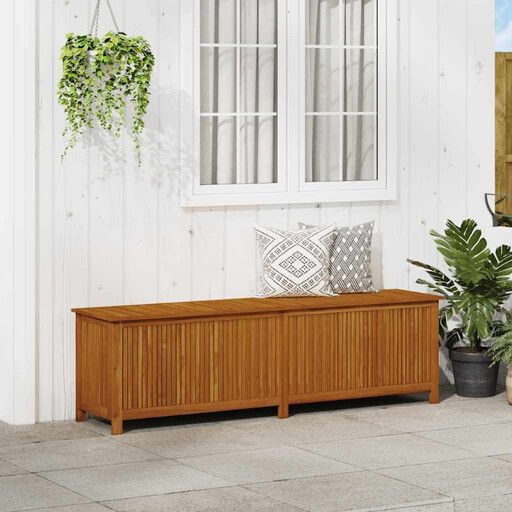
Why we chose it: The ultimate 2-in-1 solution. This large bench provides comfortable seating for several people while concealing ample storage space for cushions, children's toys, or gardening tools.
It is transparent about maintenance: made of solid acacia with an oiled finish, its description recommends using a cover, allowing you to anticipate and avoid the "short-lived finish" pitfall.
Dual function (bench and storage box) for maximum space-saving. Large storage capacity with a waterproof inner bag and gas lifts for easy opening.
We've compiled a complete selection of products that meet our quality criteria.
The lifespan of wooden garden furniture made from acacia depends almost entirely on its maintenance. Acacia is a hard, dense wood that is naturally resistant to insects and moisture. With regular care (cleaning and applying a protective oil once or twice a year) and by protecting it with a cover in winter, it can last for many years. Without maintenance, it will turn grey, and its structure can weaken within a few seasons.
Greying is a natural surface oxidation process caused by UV rays and weather. It does not affect the wood's structural integrity in the short term. To prevent it, you need to nourish and protect the wood. Clean your furniture at the beginning of spring with a soft brush and soapy water. Once dry, apply a thin coat of oil for exotic woods with a cloth, following the grain of the wood. Repeat the process at the end of summer if needed.
The FSC certification does not relate to the physical strength of the wood, but to its origin. It guarantees that the wood comes from forests managed in an environmentally, socially, and economically sustainable way. Durability is an inherent characteristic of the acacia wood species itself. However, FSC-certified products are often the result of a more comprehensive commitment to quality from manufacturers, which is generally a positive indicator.