
Livraison le jour même ou le lendemain

Qualité garantie

Débloquez vos offres de bienvenue: Livraison GRATUITE | Jusqu'à -80 % | 30 jours d'essai gratuits à JoyPlus
Téléchargez l'application
There's nothing like photos to personalize your space and make it cozier. But be warned: choosing the right paper can quickly turn into a headache. Caught between manufacturer promises and reality, it's easy to end up with a product that just doesn't hold up. An A6 sticker photo paper that peels off paint or whose colours bleed? That's a recipe for disappointment.
This guide breaks down the key points to check before you buy, helping you find the perfect product for trace-free photo wall decor or for elevating your scrapbooking albums.
The market is flooded with options, but not all are created equal. Here are the three most common traps that can ruin your experience.
To avoid these disappointments, a few objective technical specifications should be examined closely. This is what separates a successful purchase from a product destined for the trash.
The type of glue is THE number one criterion. For complete freedom, opt for repositionable adhesive photo paper. Unlike permanent glues, this technology allows you to stick, unstick, and restick your photos as you please, without leaving marks or damaging smooth surfaces (painted walls, furniture, fridges...). Be sure to look for "repositionable" and "residue-free" on the packaging.
Check that the paper is compatible with inkjet printers, the most common type for home use. Quality paper has a special coating that absorbs ink instantly, ensuring vibrant colours and an immediate dry time.
Beyond compatibility, the paper material itself is crucial. A fabric photo paper for inkjet printers, for example, offers a unique texture and much better resistance to tears and creases. This is a real bonus for scrapbooking photo paper or any creation meant to be handled.
The 10x15?cm size, which corresponds to the A6 format, is the standard for photo prints. It's perfect for albums, frames, or wall mosaics. The thickness, or grammage, expressed in grams per square meter (g/m?), is also a good indicator of quality: the higher the number, the more rigid and durable the paper will be.
Rather than an endless list, we've selected a few standout products for different uses to guide you toward the one that will perfectly meet your needs.
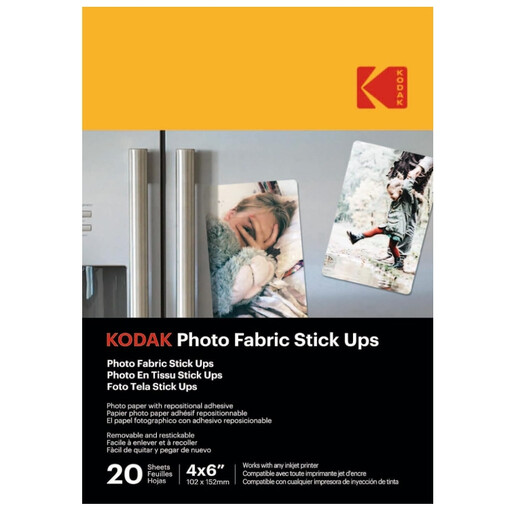
Why it stands out: Perfect for those who love to change their decor on a whim. It lets you display photos on walls, a laptop, or the fridge, and move them whenever the mood strikes without risking damage to surfaces.
Its specially designed repositionable adhesive leaves no residue. This counters the main pitfall of overly aggressive glues.
Its silky fabric base makes the sheets highly resistant to tears and creases, a decisive advantage over classic photo paper.
Why it stands out: Its canvas-like texture brings a unique tactile and visual dimension to your scrapbooking projects. The 10x15 cm format is perfect for albums, and its self-adhesive nature simplifies assembly—goodbye, messy liquid glue!
Optimised for inkjet printers with rapid-absorption technology, it guarantees sharp, vibrant prints. No more dull colours and smudges.
Its textured matte finish and fabric base ensure a professional look and excellent durability. For memories that stand the test of time.
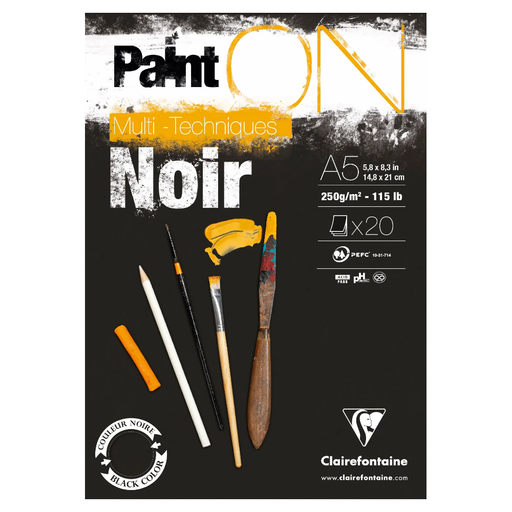
Why it stands out: For those who want to take things a step further, this deep black paper serves as a backdrop. Stick your photos on it (whether printed on adhesive paper or not) to create a striking contrast in an art journal or a wall composition.
It avoids the "basic creation" trap by offering a high-end (250 g/m?) medium that doesn't warp and enhances photos, a far cry from simple coloured paper.
Its heavy weight and versatility (for both dry and wet media) make it a durable and creative foundation, perfect for mixed-media projects.
We've put together a complete, up-to-date selection of products that meet our demanding selection criteria.
With a quality repositionable adhesive paper, the answer is yes on most smooth, non-porous surfaces. As a precaution, always test it on a small, inconspicuous area first. Avoid applying it to fragile surfaces like wallpaper, a freshly painted wall, or delicate finishes.
The vast majority of 10x15?cm sticker photo sheets are optimised for consumer-grade inkjet printers. No professional equipment is needed. The key is to check that the packaging says "inkjet compatible" to ensure proper ink absorption and true-to-life colours.
Colour longevity depends on three factors: the quality of the ink, the quality of the paper's coating, and exposure to direct sunlight. To preserve the vibrancy of your prints, avoid exposing them to UV rays. Store unused sheets in their original packaging, away from heat and humidity.