
Livraison le jour même ou le lendemain

Qualité garantie

Débloquez vos offres de bienvenue: Livraison GRATUITE | Jusqu'à -80 % | 30 jours d'essai gratuits à JoyPlus
Téléchargez l'application
A lined notebook can be used to take notes in class, prepare for a meeting, keep a diary or quickly jot down an idea. However, not every notebook is equally suited to every purpose. A pretty cover can hide paper that’s too thin, while a compact notebook may not have enough room for daily entries.
Before you place an order, watch out for these three common pitfalls:
Here are the features to look for when choosing a notebook for school, work, note-taking or as a gift.
An A5 notebook, measuring around 14.8 × 21 cm, gives you plenty of space for classes, meetings, detailed lists and journaling. It also slips easily into a rucksack or work bag.
An A6 notebook, measuring around 10.5 × 14.8 cm, fits more easily into a small pocket or handbag. It’s ideal for reminders, shopping lists, sudden ideas and notes taken on the go. The trade-off is that there’s less room to write on each line.
Paper weight is measured in grams per square metre. At 100 g/m², the paper used in several of the models below is thicker than standard school paper. It’s described as helping to prevent ink from showing through, although the results also depend on the pen you use and how much ink it lays down.
The shade matters too. 100 g ivory or cream paper offers less contrast than bright white. If you’ll be using your notebook for long periods, check the exact description as well: offset paper, woodfree paper and certified paper do not all have the same characteristics.
A hardback notebook offers better protection for pages when you carry it around regularly. However, a fabric, laminated card or PU faux leather cover won’t feel or resist moisture in the same way.
A spiral-bound notebook opens wide and can lie flat, making it easier to take notes in class or at meetings. However, take care when handling the metal ends and check that the spiral won’t get in the way as you write, particularly if you’re left-handed.
A notebook with an elastic closure keeps the pages securely closed in your bag. A bookmark helps you quickly find your current notes, while a pen loop means you don’t have to search for a pen separately.
The following models were selected based on their size, paper and the accessories listed on their product pages. Colours may vary depending on the version you choose.
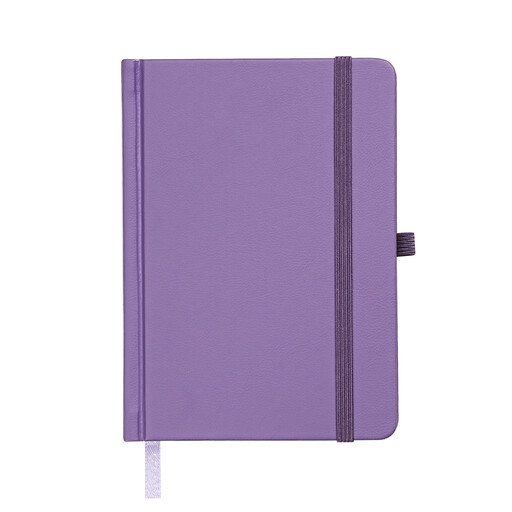
Why it suits this reader: Its A6 size is ideal if you’re new to journaling or want to jot down a few things without carrying a bulky notebook.
The product details specify the number of sheets, the 100 g paper weight and the dimensions. This makes it easier to compare notebooks without judging them by appearance alone.
160 pages, PU hardback cover, elastic closure, bookmark and pen loop.
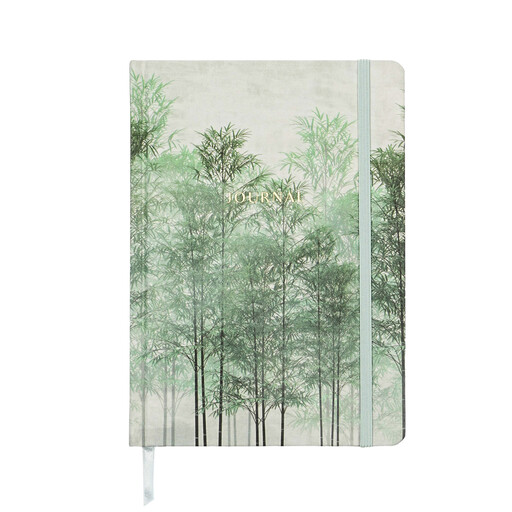
Why it suits this reader: Its fabric cover, finished with decorative details, will appeal if you’re looking for an elegant notebook for writing, gifting or keeping your personal reflections.
The description clearly distinguishes the fabric cover, ivory paper and decorative finishes, rather than suggesting that style alone determines performance.
A5 size, 96 sheets or 192 pages, 100 g ivory paper, bookmark and elastic closure.
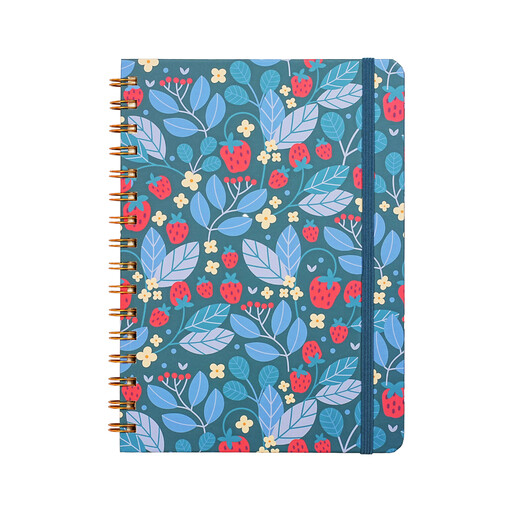
Why it suits this reader: Students, professionals and anyone who fills several pages a week can make use of its stated capacity of 192 sheets and double spiral binding.
The number of sheets, A5 dimensions of 148 × 210 mm and paper weight are listed separately, making it easier to assess the notebook’s actual capacity.
192 sheets, 100 g cream offset paper, hardback cover, double spiral binding and elastic closure.
We’ve put together a comprehensive, live-updated list of products that meet these strict selection criteria and comply with European safety regulations.
It depends on how many pages you use, the type of pen and how you carry it. A hardback cover, elastic closure and storage away from damp can help keep your notebook in good condition. Spiral bindings should also be protected from repeated twisting.
100 g paper is generally thicker than lightweight paper, but how it performs varies depending on the nib and ink. Check whether the product details mention reduced ink show-through, and try it on one page before using it extensively.
A5 is suitable for longer notes, classes and meetings. A6 is better for reminders, lists and ideas you want to jot down on the spot. If you’re unsure, choose based on where you’ll use it most: at your desk or on the go.