
Livraison le jour même ou le lendemain

Qualité garantie

Débloquez vos offres de bienvenue: Livraison GRATUITE | Jusqu'à -80 % | 30 jours d'essai gratuits à JoyPlus
Téléchargez l'application
Whether for a new project, a new academic year, or simply to organize your thoughts, choosing a notebook is a deliberate act. With the vast array of models available, finding the perfect A5 hardcover notebook can be a challenge. Yet, this versatile format is a true workhorse, favored by professionals, students, and creatives for its perfect balance of writing comfort and portability.
This guide is here to help. We've broken down the key criteria and handpicked the best options available to help you make the right choice, no matter your needs.
Before you dive in, let's review the criteria that turn a simple notebook into a reliable and durable writing companion.
The way the pages are bound makes all the difference in daily use. A sewn or 'casebound' binding ensures a lay-flat opening. This major advantage allows you to write across the entire two-page spread without being hindered by a stubborn curve in the middle. It's a must-have for an A5 bullet journal or for taking notes in meetings without wrestling with your notebook.
Paper quality is crucial. Its weight, expressed in gsm (grams per square meter), determines its thickness and its ability to prevent ink from showing through.
Finally, don't forget the ruling: lined pages for writing, grid (graph) for structure, dotted for the flexibility of a bullet journal, or blank for total creative freedom.
A hardcover is the best defense against bumps and overstuffed backpacks. But other details can transform your experience: a notebook with an elastic closure to keep it securely shut, one or two ribbon bookmarks to find your place in an instant, and an expandable inner pocket at the back, perfect for stashing business cards and other small papers.
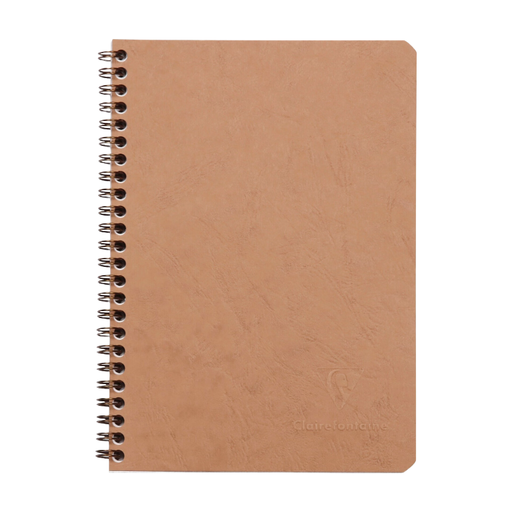
Why we love it: It's the benchmark for A5 hardcover notebooks: reliable, elegant, and incredibly effective. Its casebound binding ensures a perfect lay-flat opening, while its famous 90g Vélin Velouté paper, a Clairefontaine signature, guarantees an unparalleled smooth glide and writing comfort.
Key features:
Who is it for? For discerning professionals, journaling enthusiasts, and anyone looking for a heavy-duty travel journal or A5 notebook.
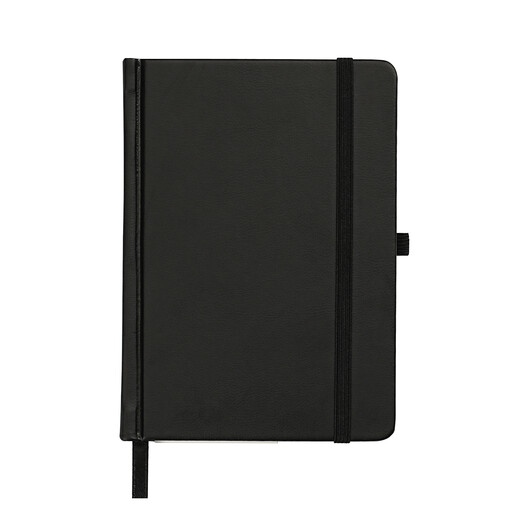
Why we love it: It's not an A5, but this A6 size is the smart alternative for those who prioritize portability above all. It packs all the features of a premium notebook into a pocket-sized format: a hardcover, thick paper, and integrated accessories.
Key features:
Who is it for? For nomads who want to jot down ideas on the fly, keep a logbook, or manage their to-do lists without being weighed down.
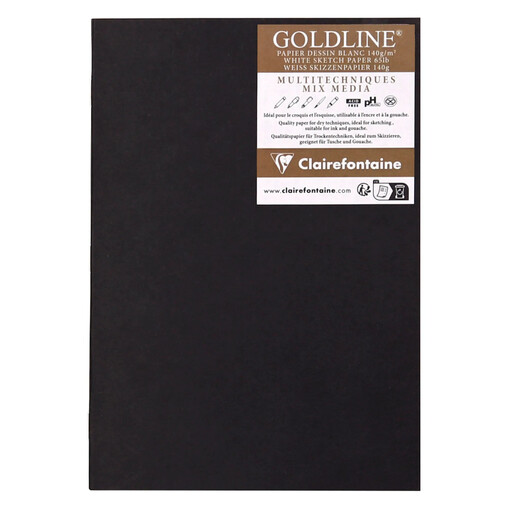
Why we love it: Designed for creatives, this notebook is a true portable studio. Its 140 gsm paper is a heavyweight capable of handling both dry media (pencil, charcoal) and wet media (ink, light watercolour), making it a versatile canvas for artists.
Key features:
Who is it for? For artists, designers, and craft enthusiasts who want versatile paper without sacrificing the portability of the A5 format.
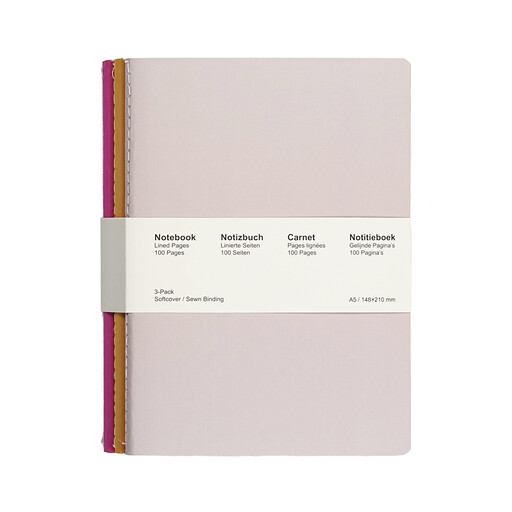
Why we love it: This is the ultimate budget-friendly and flexible solution. This set of three softcover notebooks allows you to juggle multiple projects without breaking the bank. It's ideal for dedicating a notebook to each subject or project while maintaining a consistent visual identity.
Key features:
Who is it for? For students, professionals juggling multiple projects, or anyone who needs several lightweight and affordable A5 notebooks.
Is the notebook of your dreams not on this list? Choosing a writing companion is a very personal decision. To explore a wider variety of sizes, rulings, and designs, browse our complete collection.
? Discover the entire Notepads & Paper category
1. 80gsm, 90gsm, 120gsm Paper: What's the Difference in Practice? The weight (gsm) is the paper's weight per square meter. In short: 80 gsm paper is thin, perfect for quick notes, but ink may ghost or bleed through. 90 gsm paper is the sweet spot: higher quality, more opaque, it offers superior writing comfort and is the standard for a professional notebook. Paper that is 120 gsm or heavier is thick and robust, essential for drawing or using markers, as it absorbs ink without bleeding through.
2. Lay-Flat Binding: Gimmick or Must-Have? It's not mandatory, but it's a comfort that makes all the difference in daily use. A lay-flat binding allows you to use 100% of each page's surface without fighting the central curve. It's a real bonus for those who write a lot, draw across a two-page spread, or keep an A5 bullet journal, where layout is king.
3. Which A5 Notebook is Best for a Bullet Journal (Bujo)? The A5 format is king for 'bujo'. Opt for a dotted or grid notebook, which is ideal for structuring your layouts. For the paper, aim for at least 90 gsm to prevent your markers and highlighters from ruining the next page. The little extras like ribbon bookmarks and an inner pocket will quickly become indispensable for staying organized.