
Livraison le jour même ou le lendemain

Qualité garantie

Débloquez vos offres de bienvenue: Livraison GRATUITE | Jusqu'à -80 % | 30 jours d'essai gratuits à JoyPlus
Téléchargez l'application
An A5 diary and planner should help you stay organised every day without weighing you down. Professionals, students, creatives, travellers and individuals all tend to look for the same balance: a clear layout, enough room to write, and a cover that can withstand repeated journeys.
Yet certain details can turn an appealing purchase into a notebook that’s quickly abandoned. A pretty cover isn’t enough – the layout also needs to match your habits. Here are the criteria to consider before choosing a dated diary, a weekly planner or an undated planner.
An attractive cover, on-trend colours or a well-known brand naturally catch the eye. But it’s the inside that makes the difference: how the weeks are organised, the space for appointments, the note pages and the goal-setting sections all need to genuinely suit the way you organise yourself.
A very compact diary is handy for jotting down a few appointments, but can quickly run out of room for tracking a project. Conversely, an XL format offers more space, at the cost of extra weight and bulk.
A 12-month dated diary works perfectly if you start organising at the beginning of the intended period. However, it can leave many pages unused if you change your method, start partway through the year, or regularly switch between projects.
An undated planner avoids this problem: you fill in the dates yourself and can take a break without wasting several pre-printed weeks. This freedom is especially useful for daily planning, studying, creative projects or tracking goals.
The paper weight directly affects writing comfort and ink show-through. A hard cover protects the pages better in a bag, but generally adds weight. And a binding that doesn’t open properly makes the centre pages awkward to write on.
Also remember to check for an elastic closure and a bookmark. These accessories may seem trivial, but they stop the diary from opening in your bag and let you find the current week in an instant.
The A5 format measures approximately 14.8 × 21 cm. It offers a good compromise between portability and readability, whether for meetings, classes or train journeys. An XL model will suit people who write a lot or want to keep detailed notes.
Don’t just look at the page count. A notebook with 112 sheets, i.e. 224 pages, can offer a more complete monthly and weekly layout than a thicker diary that’s less well structured.
An ivory offset paper of 100 g/m² feels denser than a lightweight 70 g/m² paper, according to the manufacturer’s specifications. The best choice depends on your pen and writing preferences – always check the product listing before ordering.
A hard cover protects the notebook effectively in daily use. A soft cover, however, helps keep it lightweight. An inner pocket, stickers, a bookmark or a 180° flat-lay opening are welcome bonuses, but no accessory can compensate for a poorly suited layout.
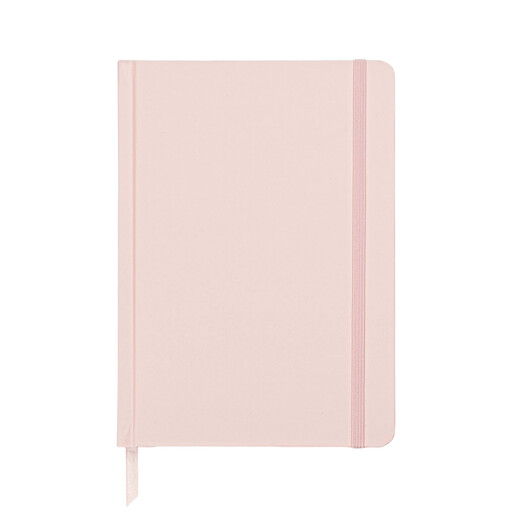
Why this choice suits this profile: Its A5 format and undated layout mean you can start without waiting for a new calendar period. It’s ideal for a first experience of personal organisation, whether at work or in your studies.
The undated monthly and weekly pages reduce waste if your pace or method changes.
Hard cover, 112 sheets of 100 g/m² ivory offset paper and dedicated note sections.
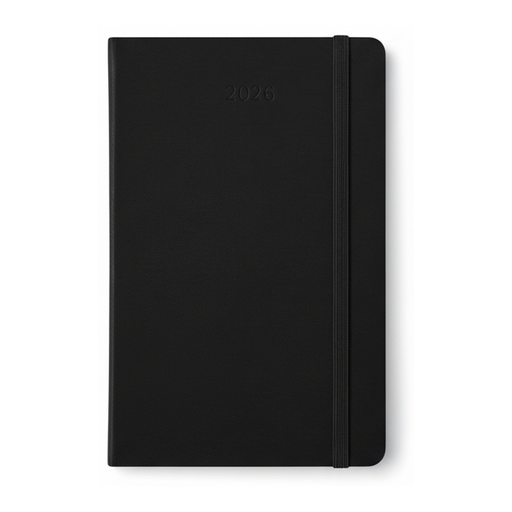
Why this choice suits this profile: Its polished presentation appeals to those who appreciate a structured Moleskine diary for managing appointments, jotting down ideas and organising business travel.
The horizontal weekly double-page spread makes it much easier to see how appointments are distributed than a simple daily list.
Elastic closure, bookmark, inner pocket and pages dedicated to travel, ideas and goals.
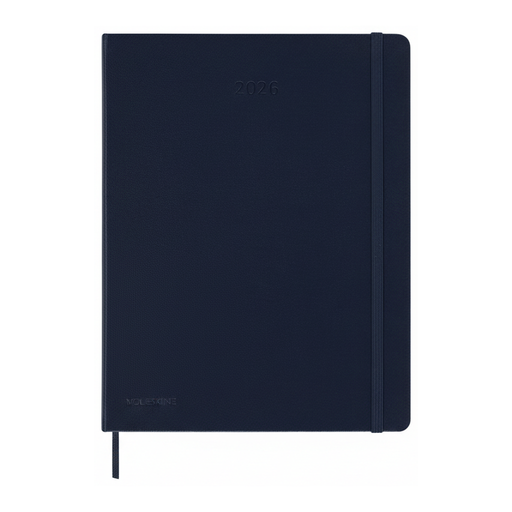
Why this choice suits this profile: The XL format is designed for users who record detailed tasks, projects, travel or extensive notes each week.
The built-in note spaces stop you from scattering information across multiple notebooks.
Hard cover, binding that allows flat opening, pages dedicated to travel and goal tracking, expandable pocket.
We’ve put together a comprehensive, real-time updated selection of products that meet these exacting criteria as well as European safety standards.
Write the dates with a pen whose ink suits the paper you’ve chosen. Avoid overfilling the inner pocket, even if it’s expandable. To preserve the cover, wipe it with a soft, dry cloth, then store the notebook away from moisture and direct heat.
A diary is first and foremost a planning tool: its lifespan depends on how often you write, the conditions it’s carried in, and how you handle the pages. Elastics, ribbons and stickers may contain small parts – keep them out of reach of children under three years old.
Yes, especially if you need to start at any time or manage projects of varying lengths. The monthly and weekly pages you fill in yourself adapt easily to meetings, deadlines and current priorities.
A weekly planner gives you an overview of appointments and tasks. Daily planning generally offers more room for detailed actions, timings and notes. It all depends on the level of detail you need.
There’s no standard duration – it all depends on how often you use it and the conditions it’s carried in. A hard cover, storing it in a dry place and handling it carefully will help preserve the pages and binding.