
Livraison le jour même ou le lendemain

Qualité garantie

Débloquez vos offres de bienvenue: Livraison GRATUITE | Jusqu'à -80 % | 30 jours d'essai gratuits à JoyPlus
Téléchargez l'application
Finding the ideal A4 drawing sketchbook can be a real headache given the overwhelming number of options. Yet, this standard format is the go-to companion for countless artists, illustrators, and students. But be warned: from the paper type and binding to the cover, every detail matters and can radically transform your creative experience.
This guide is here to shed some light and help you track down the perfect medium for your practice and projects. We'll break down the essential criteria before presenting our selection of the best sketchbooks available today, suited for every need.
Before diving into our top picks, let's review the features that make all the difference between one A4 sketchbook and another. Here are three fundamental criteria to check.
Paper weight, expressed in g/m? (grams per square metre), defines the paper's thickness and sturdiness. It's an absolutely decisive factor depending on your preferred techniques.
The way the pages are bound directly impacts your sketchbook's ease of use and portability.
More than just packaging, the cover is the shield for your creations. A hardcover provides maximum protection against bumps and creases, while also offering a stable surface for drawing on your lap. Conversely, a softcover makes the sketchbook lighter and more flexible, but less protective. The choice is simple: is your sketchbook a studio fixture or a travelling companion that goes everywhere with you?
To put theory into practice, here is our selection of three sketchbooks that caught our eye. Each is designed for a specific purpose.
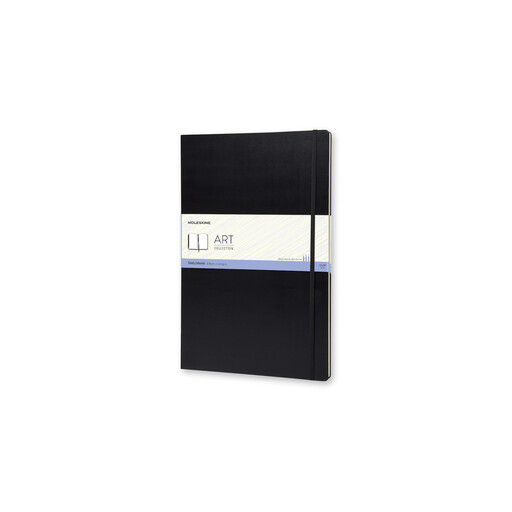
Why it stands out: This sketchbook embodies the perfect balance for artists seeking a quality medium for daily use. Its thick paper and thoughtful design make it a reliable and elegant tool.
Pros:
Best for: Illustrators, designers, and artists who favour dry media or inking and are looking for a sturdy sketchbook for their finished projects or creative journal.
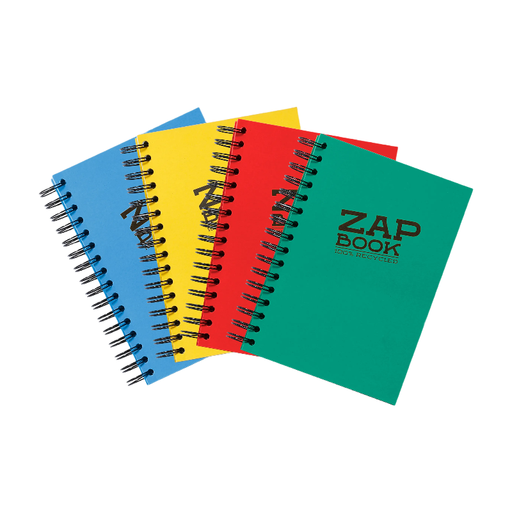
Why it stands out: With its 160 sheets, this A4 drawing pad is the champion of value for money, with an eco-conscious touch. Ideal for intensive sketching practice.
Pros:
Best for: Art students and A4 sketchbook enthusiasts looking for an affordable medium for their daily exercises, preparatory studies, and visual note-taking.
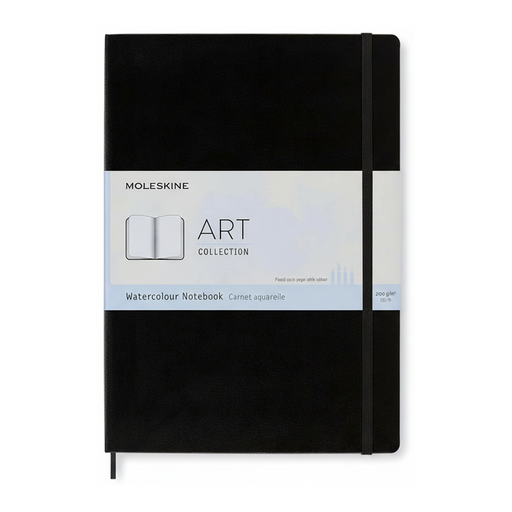
Why it stands out: Specially designed for wet media, this sketchbook is the ideal travel companion for watercolourists who want to work in a portable and well-protected format.
Pros:
Best for: Travelling or studio artists who practice watercolour or mixed media and need a reliable A4 watercolour sketchbook to preserve their creations in an elegant, book-like format.
Didn't find what you were looking for in our selection? Don't worry. Every artist is unique, and so are your preferences. Whether you're looking for a specific paper grain, an unusual format, or a niche brand, the possibilities are endless.
To discover a wider variety of paper weights, bindings, and styles, we invite you to explore our complete collection of Drawing & Painting Pads.
1. What paper weight should I choose for a versatile drawing sketchbook? For an all-purpose sketchbook that can handle both dry media (pencil, pastel) and light touches of wet media (marker, light wash), aim for a weight between 120 g/m? and 160 g/m?. It's the ideal compromise, offering good resistance without the thickness of watercolour paper.
2. Can I use watercolour on 165 g/m? paper? Technically, yes, but sparingly! A 165 g/m? paper will tolerate a very light wash with little water, but it will quickly show its limits. For true watercolour work with multiple layers, the paper is likely to saturate and buckle. For this technique, an A4 watercolour sketchbook with 200 g/m? paper is the minimum, with 300 g/m? being ideal.
3. What is the difference between a drawing pad and a sketchbook? The nuance is subtle, but it exists. The term sketchbook is often reserved for quick study sessions and drafts, typically with thinner paper (around 80-100 g/m?). A drawing pad, on the other hand, is often seen as the medium for more finished works, with thick drawing paper of higher quality, suitable for a wider variety of media.