
Livraison le jour même ou le lendemain

Qualité garantie

Débloquez vos offres de bienvenue: Livraison GRATUITE | Jusqu'à -80 % | 30 jours d'essai gratuits à JoyPlus
Téléchargez l'application
Piling paperwork, stray invoices, documents waiting to be filed… Does your desk look like a battlefield? The solution seems obvious: a good A4 document sorter. But be warned, not all models are created equal. Making the wrong choice is a surefire way to regret your purchase, leaving you with an accessory that bends under the weight of paper, scratches your desk, or has drawers that jam after just a few weeks.
As the Head of Product Recommendations at Joybuy, my mission is to help you see things more clearly. Let's break down the common pitfalls to avoid and the criteria that truly matter to make the right choice.
The market is flooded with desk paper storage solutions, but beware of unpleasant surprises: some design flaws only reveal themselves with use.
To avoid these disappointments, here are the technical specifications you should focus on.
The choice of material is crucial. The metal desk file organiser remains a classic for its robustness, provided you remain vigilant. Opt for a metal mesh or solid metal structure with a powder coating. This treatment serves a dual purpose: it protects against oxidation and rust while ensuring a smooth, uniform finish. The thickness and density of the metal are good indicators of overall sturdiness.
The number of tiers is obviously a basic criterion. A 3-tier sorter is a versatile standard, but models with 4 or 5 tiers will meet more significant needs. But beyond the number, there are two points to check:
Also, check that the internal dimensions of the trays are compatible with the A4 format (21?x?29.7?cm), leaving enough margin to slip in card folders or plastic sleeves.
It's the details that count. The presence of rubber feet under the sorter is non-negotiable to save your desk from scratches. A simple but sturdy assembly, usually with a few screws, guarantees a structure that won't become wobbly over time. A good product must remain perfectly stable, even with the top trays filled to the brim.
Rather than an exhaustive list, we have selected products that meet specific needs, based on the quality and practicality criteria we have just reviewed.

Why it stands out: Perfect for those who prioritise efficiency and capacity. Its four tiers offer ample filing space to manage a heavy flow of documents, all within a sleek, universal design.
Its sturdy metal structure resists warping. The trays slide smoothly without force, and the included rubber feet effectively protect your desk.
Its four tiers optimise vertical storage for a minimal footprint. Maximum filing capacity on a minimum surface area.
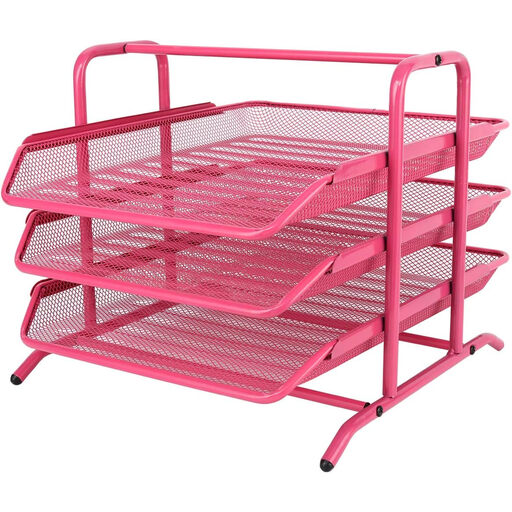
Why it stands out: For anyone who believes practicality can go hand-in-hand with style. This model combines the functionality of a classic sorter with a colourful finish that brightens up any desk.
Its metal design with an anti-oxidation powder coating guarantees its longevity. The attention to detail, with polished, non-sharp edges, is a real bonus.
It combines a refined aesthetic with a robust construction. Available in several colours (pink, white, silver), it adapts to any atmosphere.
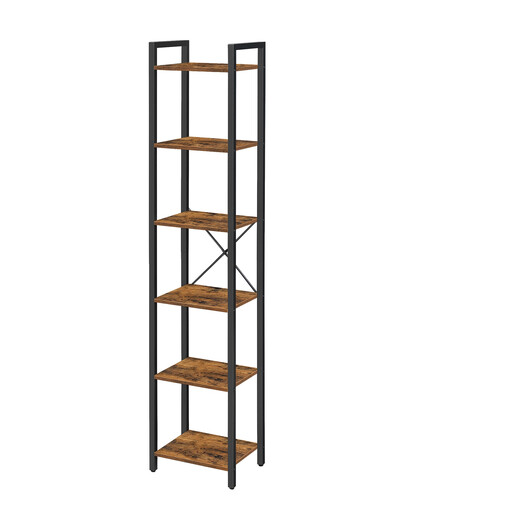
Why it stands out: When a simple desk sorter is no longer enough. This shelving unit is the solution for storing binders, archive boxes, and other bulky files vertically, finally freeing up your work surface.
This isn't just storage; it's large-scale organisation. Its X-braced steel frame provides excellent stability, and the included anti-tip kit secures the entire unit.
It leverages vertical space for massive storage. Its slender design allows it to fit into narrow spaces, while supporting a total load of 50 kg.
Discover our full selection of products that meet our quality criteria and current safety standards.
During assembly, make sure to tighten the screws securely, but not so much that you warp the frame. If a metal mesh tray gets stuck, you can often remove it and gently squeeze its sides to adjust its width. Also, remember to distribute the load evenly: an overloaded tray is more likely to rub.
Never, if it's a quality product. The first thing to do is to systematically check for protective rubber or soft plastic feet underneath. It's a small detail that costs nothing but says a lot about the manufacturer's care.
It all depends on the quality of its construction. Generally, a desk sorter is designed to hold paper: reams, magazines, files... It is not intended for heavy objects. For archiving full binders or books, it's better to opt for a sturdier solution, like a dedicated shelving unit.