What should you check before buying?
Start by confirming the pack size and serving quantity, then compare the labels of the recipes you’re considering. Residents’ individual needs remain the deciding factor, whatever format you choose.
| Criterion |
What to check |
Residents concerned |
| Ingredients and meals |
Compare the nutrition information per 100 g, ingredients and allergens; take into account the portion and liquid served. |
If I’m preparing a drink for residents with different dietary requirements, I need to be able to check the exact recipe before serving it. Around 31% of consumers would prioritise this individual suitability. |
| Portions and service |
Confirm the number of individual sachets, their weight and the preparation instructions. |
For regular service, I want to know whether each drink is already portioned or whether staff will need to measure out the powder. Portioning would be the top priority for around 25% of consumers. |
| Risk of malnutrition |
Follow the care plan and have any changes intended to meet a specific nutritional need approved by the appropriate team. |
When a resident is receiving nutritional care, I can’t treat an everyday chocolate drink as an oral nutritional supplement. Around 25% of consumers would put this distinction ahead of other purchasing criteria. |
| Quantity and restocking |
Match the pack weight to the number of drinks actually prepared and confirm how it can be restocked. |
If the drink is a regular menu item, I look for a pack size the care home can use and replenish without disrupting service. Around 19% of consumers would prioritise this continuity. |
Joybuy products by format
These products let you compare individual sachets, chocolate drink preparations in larger packs and cocoa powder for a recipe you’ll need to decide on. If you’re looking for 80 ready-to-serve portions, check the number of units in the product you choose: a pack of 10 sachets or loose powder isn’t the same as that pack size.
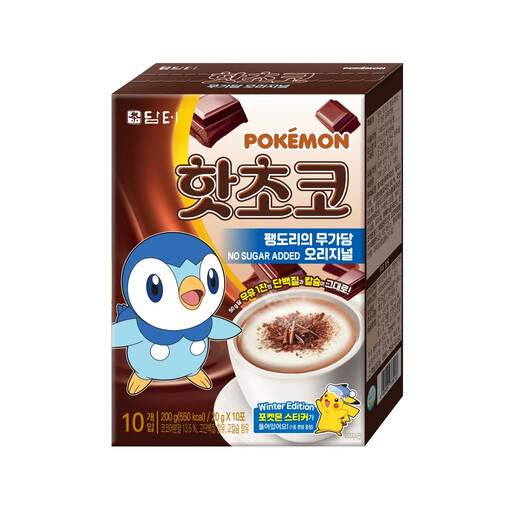 Image unavailable
DAMTUH Pokémon Sugar Free, 10 sachets of 20 g
This pack is worth considering when service calls for individual portions; it contains 10 sachets, not 80. Before choosing the recipe, check the packaging to make sure the ingredients list is consistent with the ‘of which sugars’ line, and check for allergens relevant to residents.
View on Joybuy
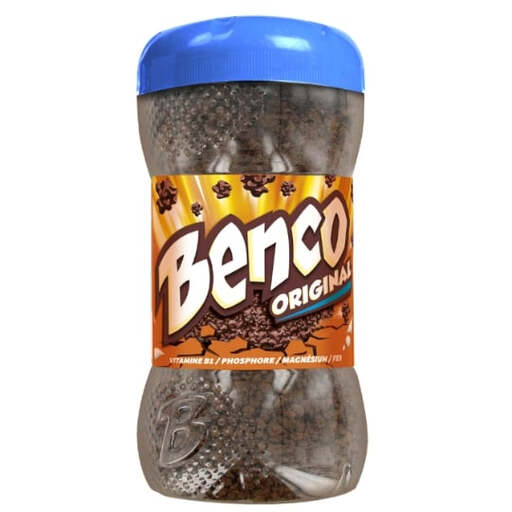 Image unavailable
BENCO Original, 800 g chocolate granules
This loose format may suit frequent service if staff set and measure the portion for each drink. Don’t count it as 80 individual sachets; check the dosage, sugar content and allergens on the exact pack before serving.
View on Joybuy
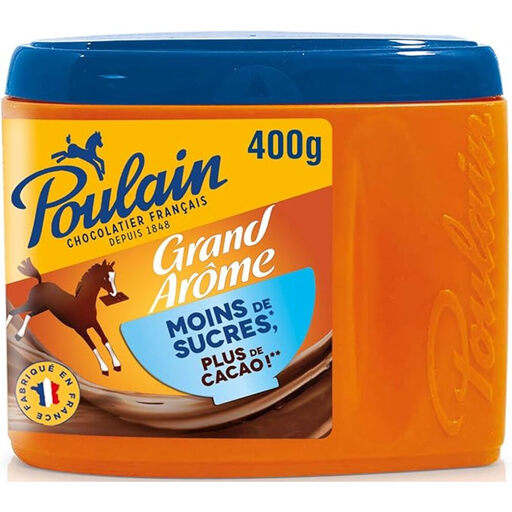 Image unavailable
POULAIN Rich Flavor, 400 g cocoa powder
Consider this pack if the care home prepares and portions the drinks itself. The 400 g format doesn’t mean individual portions: check the preparation instructions and allergens for this product before adding it to the service.
View on Joybuy
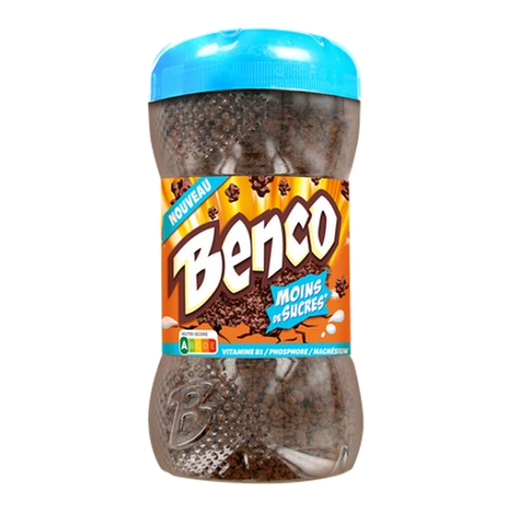 Image unavailable
BENCO Less Sugar, 400 g chocolate granules
This 400 g granule pack is an option for drinks portioned by staff, but it isn’t a box of 80 sachets. ‘Less Sugar’ is part of the product name; to compare recipes, check the sugar content per 100 g and decide how much to use in each drink.
View on Joybuy
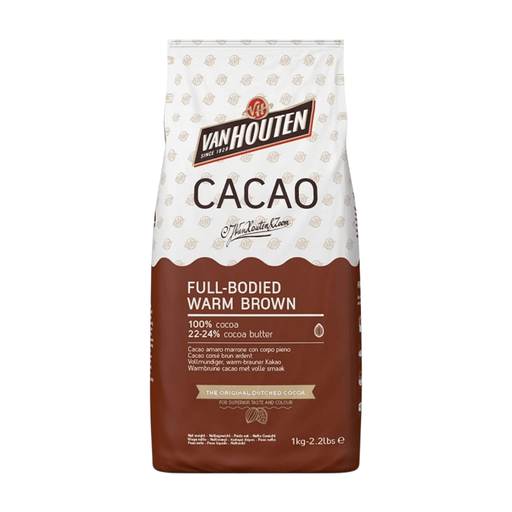 Image unavailable
VAN HOUTEN VH1F 14.7%, 1 kg cocoa powder
This 1 kg cocoa powder is for a recipe and dosage determined by the care home. It isn’t a pack of individual chocolate drink sachets: before serving, check all the ingredients added to the finished drink and follow the relevant dietary guidance.
View on Joybuy
Frequently asked questions
Is Nutri-Score compulsory on chocolate powder in France?
No. The Ministry for the Economy explains that Nutri-Score is optional. The Directorate-General for Competition Policy, Consumer Affairs and Fraud Control states that nutrition declarations on pre-packed foods are generally compulsory and displayed per 100 g or 100 ml. Check the declaration even if there’s no logo.
Can chocolate powder replace an oral nutritional supplement?
No. A chocolate flavour or added vitamins aren’t enough to make it a substitute. The French National Authority for Health describes oral nutritional supplements as nutritionally complete mixtures used as part of nutritional care. For a resident who is malnourished or at risk, have any changes approved by the nursing and dietetics team.
Which allergens should you check before serving the drink?
Check the allergens in the exact product, as well as any ingredients added during preparation. For example, the Nesquik refill pack described by Auchan France contains soya, while Carrefour France warns that Poulain Grand Arôme may contain milk and soya.
How should you store a refill pack after opening?
Follow the instructions on the pack you’ve bought and the care home’s procedures. For the Nesquik refill pack described by Auchan France, the instruction is to store it in a cool, dry place. Also follow your internal procedures for traceability and date management.
Does the ‘soda tax’ automatically apply to chocolate powder?
No: the sugar content of a dry powder isn’t enough to establish whether it is subject to the tax. In France, Article 1613 ter of the General Tax Code, in the version published by Légifrance in July 2026, covers drinks and liquid preparations for drinks subject to conditions relating to classification, added sugars and packaging. Ask for the tax classification of the specific product to be confirmed rather than inferring it from the nutrition label.


