
Livraison le jour même ou le lendemain

Qualité garantie

Débloquez vos offres de bienvenue: Livraison GRATUITE | Jusqu'à -80 % | 30 jours d'essai gratuits à JoyPlus
Téléchargez l'application
Choosing a 75 cl brut champagne seems simple enough… until you start comparing houses, dosage levels, grape varieties and price differences. Between the bottle you plan for an aperitif, the gift you want to give and the festive meal, the right cuvée isn’t necessarily the most famous or the most expensive.
To buy champagne online without making a mistake, it’s best to rely on some concrete information and be wary of overly vague promises.
Veuve Clicquot, Ruinart, Moët & Chandon, Nicolas Feuillatte or Philipponnat all offer champagnes with very different profiles. The name of the house gives an indication of its identity, but it’s not enough to guess the balance on the palate. A cuvée dominated by Pinot Noir will generally be more structured, while a high proportion of Chardonnay often brings more freshness, with citrus notes.
A brut champagne contains a limited amount of residual sugar: it is therefore not a non-dosage champagne. The dosage affects the sensation of roundness and the pairings with food. If you’re looking for a drier, more direct expression, non-dosage champagne can be a good choice. For a reception with varied tastes, however, classic brut remains the most versatile.
A bottle exposed to light or strong temperature variations risks losing its flavour quality. On receipt, store it in a cool, dry place away from light. Also check the legal age required to buy and consume alcohol, then enjoy in moderation. Champagne generally contains sulphites: their presence must be stated on the label.
An authentic French champagne must bear the Champagne AOC appellation, also shown as AOP on the label. The 75 cl format is a standard bottle, suitable for a meal or several flutes during a celebration. Check the exact designation, the French origin and the producer information.
The main terms to distinguish are as follows:
The dosage alone is not enough to judge the quality of a cuvée. Above all, it should match your tastes and the planned menu.
Pinot Noir generally brings structure, Meunier brings fruity notes and Chardonnay brings a floral or mineral expression. The composition of the cuvée therefore provides valuable clues about its style.
Serve a brut champagne between 8 and 12 °C, depending on the cuvée and the instructions on the label. Too cold, the temperature masks the aromas; too warm, it accentuates the perception of alcohol. For an aperitif, with seafood or sushi, choose a fresh cuvée. A fuller champagne can accompany poultry, soft cheeses or a lightly sweet dessert.
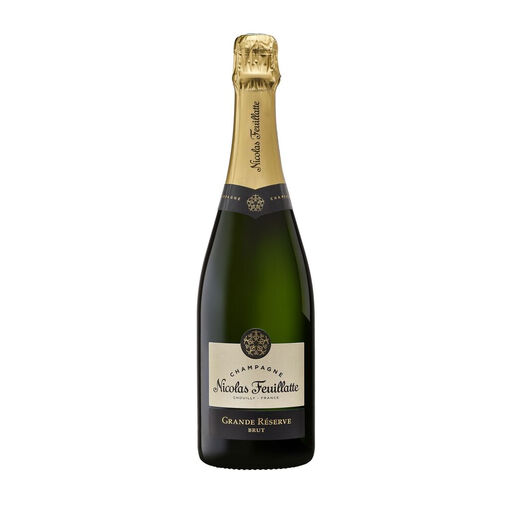
Why this choice suits this profile: Its standard format and balanced profile make it a reassuring option for a first purchase, an aperitif or a family gathering.
The product page states a 75 cl format, an alcohol content of 12% vol. and the presence of sulphites. This allows you to compare based on concrete details, rather than relying solely on the packaging.
Announced aromas of pear, apple and almond, with suggested pairings around seafood, oysters and white meats.
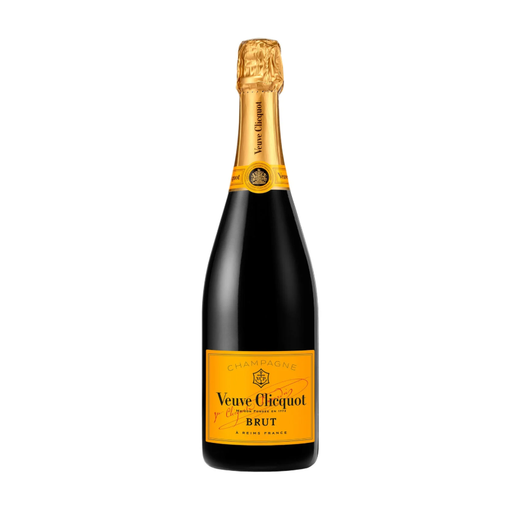
Why this choice suits this profile: This cuvée from a renowned house naturally fits a gift, a celebration or a more formal dinner.
The stated composition details 50 to 55% Pinot Noir, 15 to 20% Meunier and 28 to 33% Chardonnay.
A stated balance between finesse and power, with recommended storage between 10 and 12 °C, away from light.
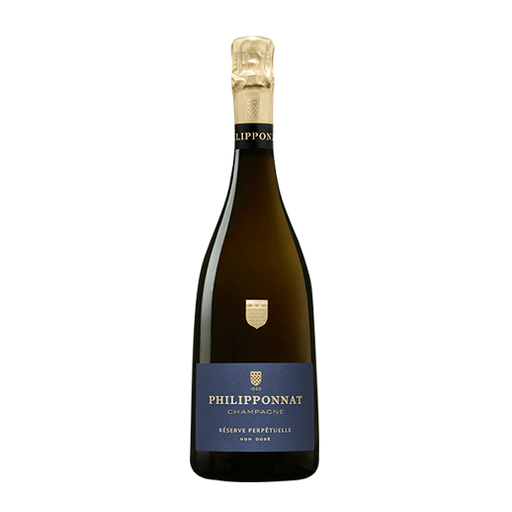
Why this choice suits this profile: This cuvée is aimed at lovers of dry, precise champagnes, particularly at home with salty dishes, seafood or a gastronomic meal.
The “Non Dosé” mention is clearly displayed: it avoids confusing a cuvée with no added sugar with a classic brut.
Announced notes of lemon, orange zest and minerality, with a blend of Pinot Noir, Chardonnay and Meunier.
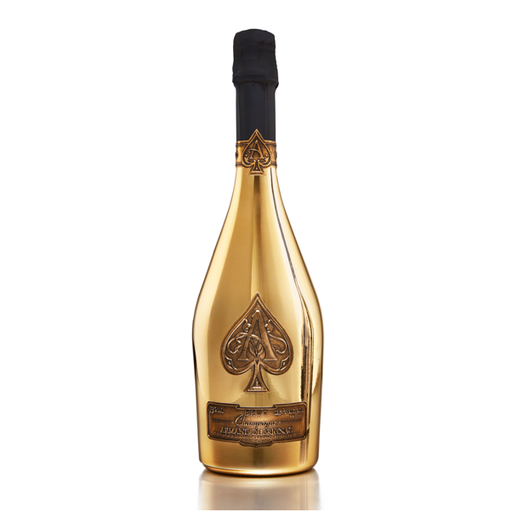
Why this choice suits this profile: Its distinctive presentation and positioning in the world of prestige champagnes make it a bottle suited to a gift or a special occasion.
The description specifies that it is a blend of three wines from Champagne plots, not a single vintage cuvée.
A profile centred around fresh fruit and a silky texture, in a bottle designed for a particularly elegant presentation.
We’ve put together a comprehensive, real-time updated selection of products meeting these exacting criteria, in compliance with European safety regulations.
Allow roughly six to eight flutes, depending on the amount poured. If the champagne accompanies several courses during a meal, plan for a few extra bottles so you don’t have to fill the glasses to the brim.
A non-vintage champagne is generally ready to drink as soon as you buy it. Store it away from light, in a cool place with a stable temperature, then check the product page or label for specific recommendations. An opened bottle should be sealed with a suitable stopper and placed in the fridge.
For a versatile choice, a 75 cl brut will work well with both an aperitif and many dishes. A 75 cl rosé champagne will be more suited to lovers of red fruits and pairings with certain desserts or spicy dishes. For a truly exceptional occasion, you can turn to a prestige cuvée, a vintage champagne or a house like Krug or Dom Pérignon, carefully checking the vintage, dosage and storage conditions.