
Livraison le jour même ou le lendemain

Qualité garantie

Débloquez vos offres de bienvenue: Livraison GRATUITE | Jusqu'à -80 % | 30 jours d'essai gratuits à JoyPlus
Téléchargez l'application
A toasted sandwich ready in minutes, without getting out a large frying pan or taking over the entire hob – that’s precisely the appeal of a 750 W sandwich maker. For a student, a couple or a small family, this format makes breakfasts, quick dinners and speedy meals a breeze.
But not all appliances are created equal in practice. High power doesn’t guarantee even heating, and a non-stick coating doesn’t always mean effortless cleaning. Here are the criteria to consider before buying, along with a selection tailored to different needs.
Watts indicate the nominal electrical power, but they aren’t enough to judge cooking quality. A 750 W sandwich maker can heat up quickly if its elements distribute heat properly and the plates grip the bread well enough.
Also check for a preheat or ready indicator light. Without this guide, it’s harder to know when to place the sandwiches in. The result? Uneven cooking, or even bread that’s too dry.
A non-stick sandwich grill makes it easier to remove melted cheese and reduces the need for added fat. However, the type of plates and the care recommendations play an equally important role. Metal utensils, abrasive sponges and overly harsh cleaning products can damage the coating.
With non-removable plates, cleaning also requires a bit more care: wait until the appliance has completely cooled down, then wipe it with a slightly damp soft cloth.
In a small kitchen, a few centimetres can make all the difference. Check the dimensions, weight, cord length and whether the appliance can be stored vertically or flat.
A compact sandwich maker weighing around 1.2 kg will be easier to move than a bulky multi-function appliance. On the flip side, plates that are too small can limit the size of bread and the amount of filling you can use.
For regular use making toasted sandwiches and hot sandwiches, a power rating of 750 W offers a good compromise between speed and energy consumption per use. However, the stated temperature should be taken with a pinch of salt: it varies depending on the amount of food, the starting temperature of the bread and the preheating time.
A sandwich maker with an adjustable thermostat gives you more precise control. A moderate temperature works well for sliced bread and cheese, while a higher setting gives a more golden finish. A mechanical thermostat with automatic shut-off also provides a handy reference during cooking.
Die-cast aluminium plates can help distribute heat more evenly across the entire cooking surface. For regular use, look for:
Even with a non-stick coating, it’s best to use suitable accessories. A silicone or wooden spatula significantly reduces the risk of scratches.
An appliance used daily needs to stay stable when closed, have non-slip feet and be fitted with a cable compatible with a 220–240 V UK plug. The CE marking on the product sheet indicates conformity with applicable European requirements. It’s still advisable to consult the manufacturer’s information and the instruction manual before first use.
Even a rapid cooking appliance should not be left unattended while in use. After use, unplug it, let it cool down, then wipe the plates without immersing them, unless the manual states otherwise.
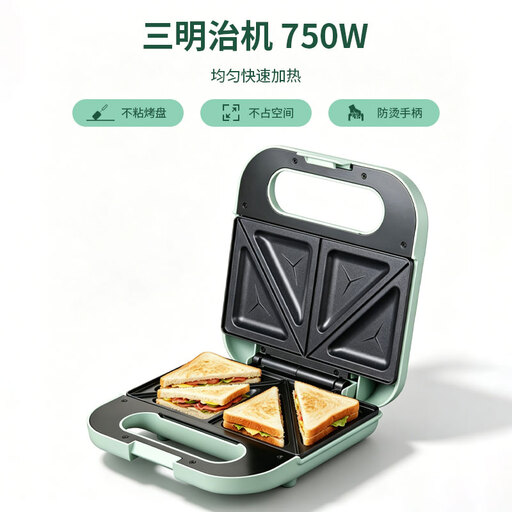
Why this choice suits this profile: With dimensions of 230 × 236 × 96 mm and a net weight of 1.2 kg, it fits easily into a small kitchen, a studio flat or a first home set-up.
The product sheet states a power of 750 W, two 375 W heating elements, a ready indicator light and an adjustable thermostat. These details are more meaningful than a simple promise of fast cooking.
Die-cast aluminium plates with non-stick coating, integrated lock, automatic shut-off and a compact green casing.
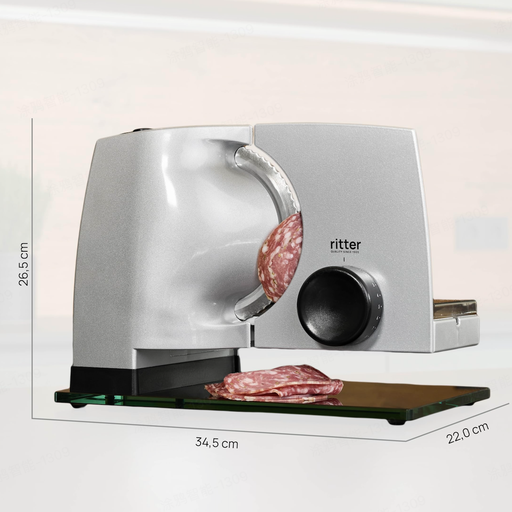
Why this choice suits this profile: This isn’t a toasted sandwich maker, but rather a complement for households that want to prepare bread and fillings more precisely.
Its removable carriage and blade adjustable up to around 20 mm allow you to get even slices, without confusing a slicing appliance with a cooking machine.
Suspended construction, impact-resistant glass base plate and removable parts for easy cleaning.
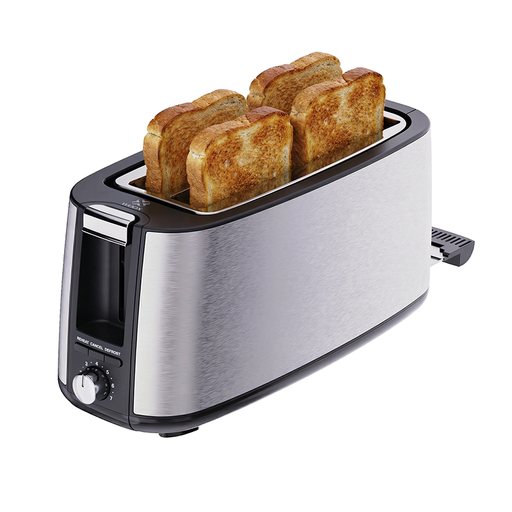
Why this choice suits this profile: It’s ideal for households that often make toast, while clearly separating this use from cooking a toasted sandwich.
The defrost, reheat and cancel functions cater to toast needs. However, this appliance doesn’t replace a sandwich maker for melting a filling.
Four slots, seven browning levels, removable crumb tray and non-slip feet.
We’ve put together a comprehensive, real-time updated list of products that meet these demanding selection criteria and European safety regulations.
For even cooking, preheat the appliance before placing the bread inside. Avoid overfilling the plates: a generous filling is likely to spill out over the sides and turn cleaning into a chore. Cut ingredients into suitable portions and use slices of similar thickness.
After each use, unplug the machine and wait until it’s warm to the touch. Then remove any residue with kitchen paper or a soft cloth. Don’t use a knife to scrape off cheese. This routine helps preserve the coating and keep your easy-to-clean panini maker in good condition, even if the model is primarily designed for toasted sandwiches.
It depends on the heating time and how often you use it. A 750 W appliance used for a few minutes consumes less than a model left switched on for a long time. Unplug it after use and avoid preheating it unnecessarily.
Depending on the recipe, the thickness of the bread and the preheating time, allow generally a few minutes. The product sheet for the WOOX MX0281 states approximately 2 to 3 minutes. This is a manufacturer’s guideline: always keep an eye on the colour of the bread and the melting of the cheese.
Some models can handle wraps, filled bread or small portions of panini, provided their shape and instruction manual allow it. Avoid very liquid preparations and foods that are likely to spill over. For more versatility, check the shape of the plates and whether interchangeable plates are available before buying.