
Livraison le jour même ou le lendemain

Qualité garantie

Débloquez vos offres de bienvenue: Livraison GRATUITE | Jusqu'à -80 % | 30 jours d'essai gratuits à JoyPlus
Téléchargez l'application
Buying a 70 cl whisky may seem straightforward. Yet with sometimes cryptic labels and marketing promises, it is not always easy to know what to choose. A bottle labelled ‘premium’ will not necessarily match your usual drinking preferences. As for age, even a high one does not guarantee an aroma profile that suits your taste.
Before placing your order, keep these three pitfalls in mind:
The 70 cl format is the most common in France. It is suitable for personal tastings, occasional drinking or as a whisky to give as a gift. It is also a practical size for comparing whiskies from different origins without building up a large collection of bottles.
A single malt is made from malted barley at a single distillery. It can reflect the character of a particular region or maturation style, but its profile varies considerably from one producer to another.
A blended whisky generally combines malt and grain whiskies. Its often smoother profile can be particularly approachable when you are discovering the world of whisky. A blended malt, on the other hand, brings together several malt whiskies from different distilleries.
Single grain whisky is made from cereals that may include maize or wheat. It often offers a softer, fruitier or more vanilla-led profile. The type stated on the label is therefore a very useful first filter.
Alcohol strength affects the sensation of warmth, the texture and the way aromas are perceived. Bottles at 40% vol. are generally easy to drink neat, over ice or in a cocktail. At 43% or 46% vol., the whisky may offer greater presence and length, although the result also depends on maturation and filtration.
Some enthusiasts add a few drops of water to open up the nose. This does not alter the nature of the whisky, but it can bring out its fruity, woody or spicy notes in a different way.
The cask makes a major contribution to the whisky’s final style:
The age shown on the bottle corresponds to the maturation period of the youngest whisky included in the blend. It is therefore not enough on its own to predict the complexity or perceived quality.
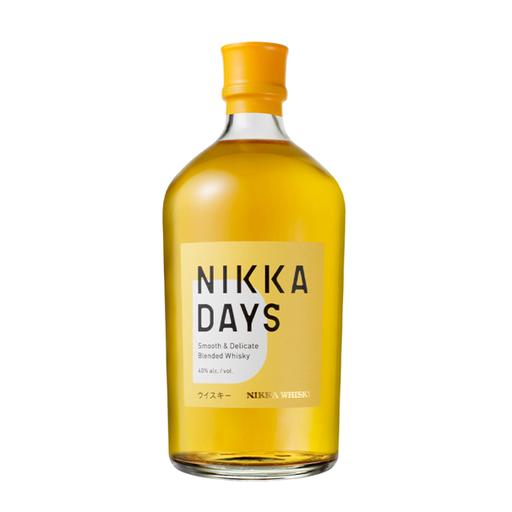
Why this choice suits this profile : With its 40% vol. strength and fruity, malty and vanilla notes, it offers a gradual introduction to whisky. Its presentation in a gift case also makes it an appealing option for giving as a present.
The product information specifies that it is a blended whisky, as well as stating its alcohol strength and key aroma notes. Country of origin is therefore not the only factor highlighted.
Blend of malt and grain whiskies, 40% vol., 70 cl bottle and gift case included.
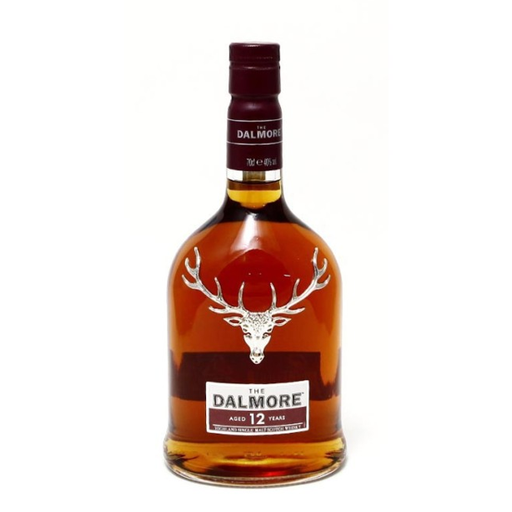
Why this choice suits this profile : This Highland single malt combines maturation in bourbon casks with a partial finish in Oloroso casks. Its profile centres on orange, cocoa and nuts.
The 12-year age statement is accompanied by specific information about the casks used. The appeal of this whisky is therefore not based solely on its maturation period.
Scotch single malt, aged for 12 years, 40% vol., orange and nut notes, matured in bourbon and Oloroso casks.
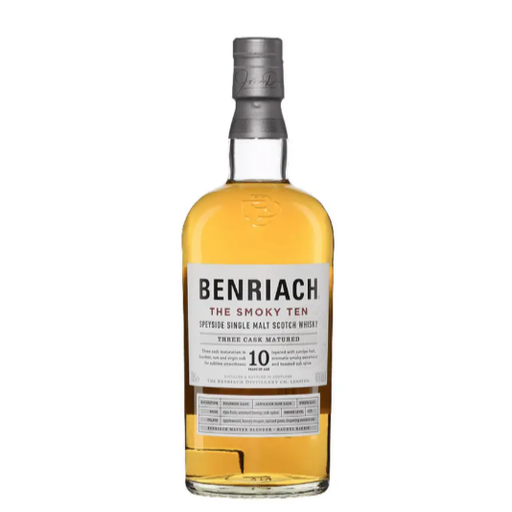
Why this choice suits this profile : Its smoky character and 46% vol. strength are aimed at enthusiasts looking for a more intense tasting experience. Adding water also allows you to tailor the experience to your preferences.
The product information details the alcohol strength, filtration and absence of E150a artificial colouring, making it possible to compare bottles on a clear basis.
10-year-old Speyside single malt, 46% vol., matured in bourbon, Jamaican rum and toasted oak casks.
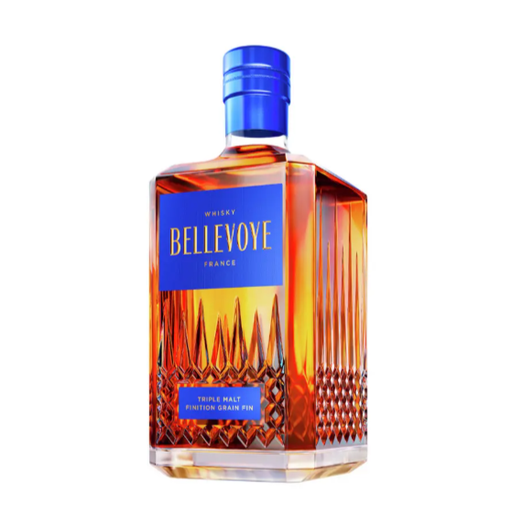
Why this choice suits this profile : This French whisky offers an alternative to the origins usually highlighted. It brings together three single malts from Nord-Pas-de-Calais, Alsace and Charente.
Its origin, composition and 40% strength are clearly stated. The bottle can therefore be assessed using concrete criteria.
French triple malt, non-peated profile, 40% vol. and 70 cl capacity.
We have put together a complete, real-time updated selection of products that meet these criteria, as well as European regulatory safety requirements.
An opened bottle of whisky can generally be stored at room temperature, away from light and fluctuations in temperature. Keep it upright to limit prolonged contact between the alcohol and the stopper. As the level falls significantly, the volume of air in the bottle increases, which can gradually change the aromas.
To serve it, start by pouring a small amount into a suitable glass. Tasting it neat, that is, without adding anything, allows you to appreciate the nose and texture. You can then add a few drops of water to alter the way the aromas open up. Ice cools and dilutes whisky: it may suit certain profiles, but can sometimes reduce the perception of aromas.
The purchase and consumption of alcohol are restricted to adults. Drinking alcohol during pregnancy carries risks for the child, even in small quantities.
With a 3 to 4 cl serving, a 70 cl bottle makes approximately 17 to 23 glasses. The actual number varies depending on the pour, whether water or ice is added and whether the whisky is used in a cocktail.
Yes, provided it is kept upright, properly sealed and away from light. The aromas may nevertheless change when the bottle is nearly empty. To preserve its profile as well as possible, avoid warm places such as a kitchen exposed to sunlight.
A 40% blended whisky or a single malt with fruity and vanilla notes is generally a good introduction. Highly peated, heavily oaked or 46% whiskies can wait until you are more comfortable with stronger sensations.