
Livraison le jour même ou le lendemain

Qualité garantie

Débloquez vos offres de bienvenue: Livraison GRATUITE | Jusqu'à -80 % | 30 jours d'essai gratuits à JoyPlus
Téléchargez l'application
Choosing a 70 cl Scotch whisky is about more than simply spotting an attractive bottle or an age statement on the label. With blended whisky, single malt, fruity profiles and heavily peated expressions to consider, it is not always easy to know where to start. To avoid an unpleasant surprise when you open the bottle, it is worth taking a closer look at a few genuinely useful criteria before placing your order.
The statement “12 years” indicates that the youngest whisky in the bottle has been aged for at least twelve years. On its own, it does not tell you how peaty the whisky is, how powerful its aromas will be or what texture it will have on the palate. A 12-year-old whisky can be smooth, fruity, spicy or strongly influenced by maturation in sherry casks.
A whisky aged in bourbon casks often develops notes of vanilla, coconut or stone fruit. Sherry cask maturation tends to bring out dried fruit, candied orange, caramel and nutty flavours. The production region therefore offers some useful clues, but the type of cask is just as important to the final profile.
Whiskies from Islay, as well as certain expressions from the Highlands or Speyside, can feature pronounced notes of smoke, ash, liquorice or toasted oak. This bold character is not to everyone’s taste. For a first tasting, a smooth blended whisky or a fruity single malt will often be easier to appreciate.
A blended Scotch whisky generally combines malt and grain whiskies from several distilleries. This blending process aims to create a consistent, versatile profile that is enjoyable neat, with a few ice cubes, a splash of water or in a cocktail.
A single malt whisky is produced at a single distillery using malt. It can offer a more distinctive expression of the local character, distillation style and casks used. However, bear in mind that “single malt” does not automatically mean the whisky will be powerful or complex.
These pointers can help you find your way around, but they do not replace information about age, maturation and casks.
The 70 cl bottle is the most common size for enjoying whisky at home or giving it as a gift. Alcohol strength has a direct effect on the sensation on the palate:
When buying in France, also check the net volume, alcohol strength, origin, storage conditions and legal information shown on the packaging. Alcoholic drinks are for adults only and should be consumed in moderation. Drinking alcohol is not recommended during pregnancy.
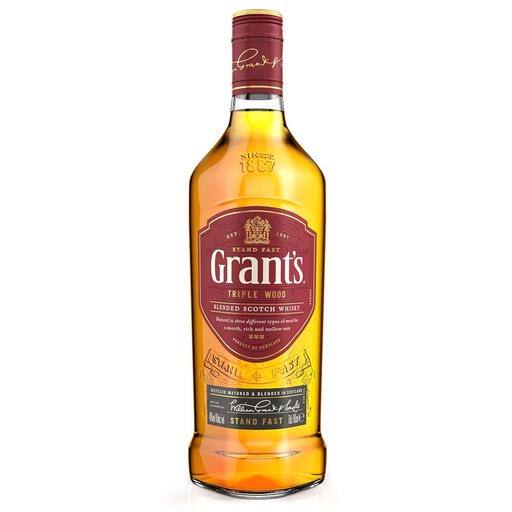
Why this choice suits this profile : Its standard size and 40 % strength make it a versatile first bottle, to enjoy neat, with a little water or in a cocktail.
The description mentions maturation in three types of cask: bourbon, new oak and sherry. The choice is therefore not based solely on a promise linked to the region.
70 cl blended Scotch, bottled at 40 % vol., with stated notes of vanilla, spice and fruit.
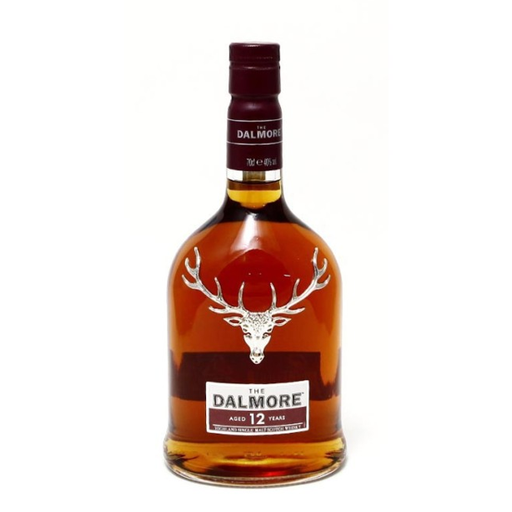
Why this choice suits this profile : This Highlands single malt offers a more precise insight into the maturation process, with part of the whisky finished in Oloroso casks.
The product details specify the 12-year age statement, the bourbon and Oloroso casks, as well as the 40 % strength.
Highlands single malt, detailed maturation and stated notes of orange, nuts and ripe fruit.
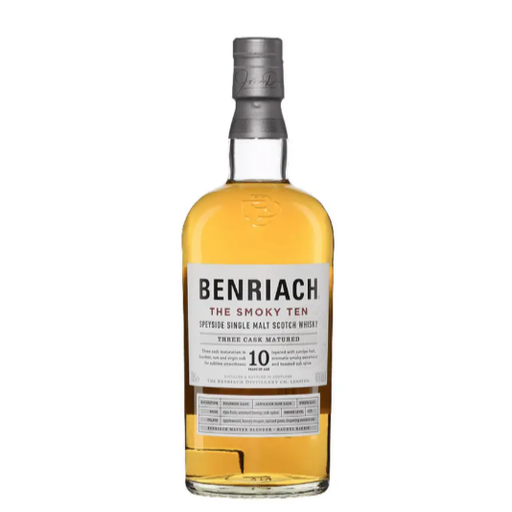
Why this choice suits this profile : With its 46 % strength and smoky profile, this bottle is aimed at enthusiasts looking for a more expressive and intense tasting experience.
The presence of peat is clearly stated, as is maturation in bourbon, Jamaican rum and toasted oak casks.
10-year-old Speyside single malt, bottled at 46 % vol., with no chill filtration or artificial colouring according to the product details.
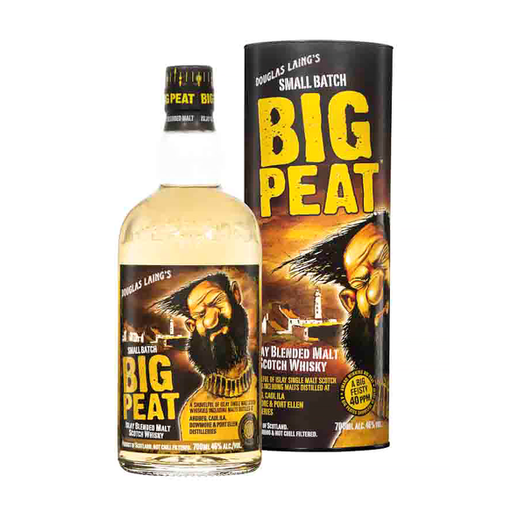
Why this choice suits this profile : This Islay blended malt is aimed at enthusiasts who enjoy flavours of peat, smoke and liquorice.
The level of peat is stated clearly and unambiguously. This makes it easier to avoid a smoky bottle if that is not the profile you are looking for.
Islay blended malt, 70 cl, bottled at 46 % vol., with stated notes of liquorice, ash and clove.
We have put together a complete, real-time updated list of products that meet these selection criteria and European safety regulations.
Start by tasting the whisky neat, in a suitable glass, to better identify its aromas. A few drops of water can help open up the profile of a 46-degree whisky. A 40-degree whisky is easy to enjoy neat, over ice or in a cocktail, depending on its structure and your preferences.
Store the bottle upright, in a cool, dry place away from direct light. Close it carefully after each tasting. An opened bottle does not improve indefinitely: the air that builds up inside can gradually alter its aromas. If it is almost empty, avoid leaving it open for several months.
Blended whisky combines malt and grain whiskies, sometimes from several distilleries. Single malt comes from one distillery and is made exclusively from malt. The choice depends above all on the flavour profile you are looking for and how you plan to enjoy it.
A 40-degree blended Scotch whisky with fruity, vanilla or lightly spicy notes is generally a good place to start. Heavily peated Islay whiskies can wait if you are not yet familiar with your preferences.
No. The age indicates the minimum maturation period, but does not tell you either the alcohol strength or the intensity of the aromas. To compare two bottles, look at all the available information: age, region, cask type, alcohol strength and stated tasting notes.