
Livraison le jour même ou le lendemain

Qualité garantie

Débloquez vos offres de bienvenue: Livraison GRATUITE | Jusqu'à -80 % | 30 jours d'essai gratuits à JoyPlus
Téléchargez l'application
Choosing a 70cl Scotch whisky isn't simply about comparing a label or an age. Between Scotch whisky, single malt, blended malt and blended whisky, the production methods, regions of origin and flavour profiles can completely transform the experience in the glass. A bottle designed for sipping won't necessarily meet the same criteria as a whisky intended for cocktails or a gift set.
Before you buy, three common mistakes keep cropping up:
A single malt whisky is produced at a single distillery using malted barley. It's often a great choice for discovering a distillery's style and the aromatic identity of a region.
Blended malt brings together several single malts, with no grain whisky. This can offer a broader palette, like Big Peat, whose character is built on malts associated with the Isle of Islay.
Blended whisky combines malt and grain whiskies. Its accessible texture and versatility make it equally at home sipped neat, on the rocks or in a cocktail. However, look at the composition and ABV stated on the label, rather than relying on the bottle design alone.
Scotland's main regions offer some useful guidance:
Region alone isn't enough to predict taste. Also look at the stated flavour notes, the type of cask used and any serving recommendations.
Bourbon casks often bring notes of vanilla, coconut or caramel. Sherry casks tend to evoke dried fruits, candied citrus or nuts. Some expressions go through several cask types to build a more complex profile.
The 70cl format is the most common size for a bottle intended for home use or as a gift. For a sipping whisky, also remember to check:
At 40% ABV, a whisky will generally be easy to drink neat or to use in a long drink. At 46% ABV, like Big Peat, it will be more suited to those who enjoy bold sensations and assertive aromas. A few drops of water can also shift the perception on the nose and palate, without needing to add it every time.
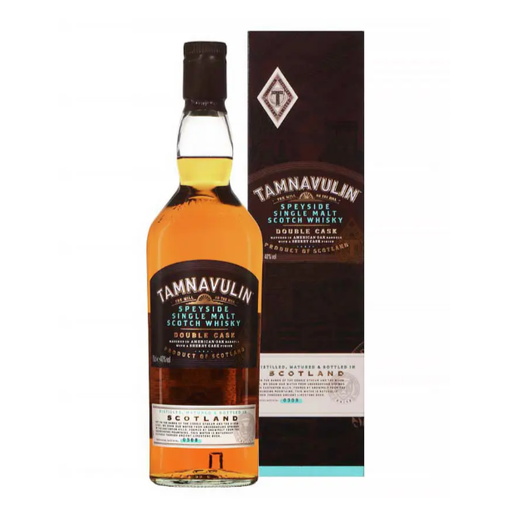
Why this choice suits this profile: This Speyside single malt combines, according to its product page, notes of apple, honey, caramel and almond. With its 40% ABV and 70cl bottle, it offers a clear and accessible first step into single malt.
The product page clearly states the region, whisky type, ABV and volume. You can therefore compare concrete details, rather than being guided by a vague promise.
Speyside single malt, double cask maturation and recommended served neat at room temperature.
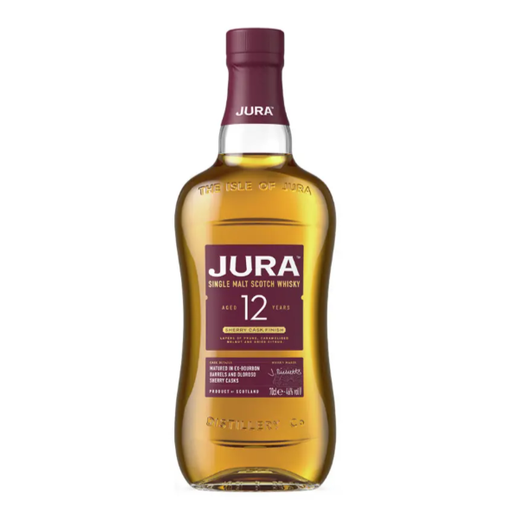
Why this choice suits this profile: This 12-year-old whisky, matured in Oloroso sherry casks, highlights notes of dried plum, nuts and candied citrus – perfect for a quiet tasting session.
The age and cask type are clearly stated. This information helps you target the style you're after, without automatically confusing age with quality.
Single malt from the Isle of Jura, 12 years old, 40% ABV and can be enjoyed neat or with a splash of water.
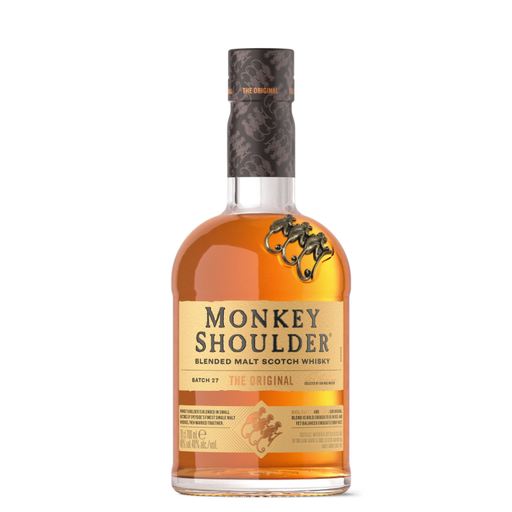
Why this choice suits this profile: Blended from three Speyside single malts, this blended malt is equally at home for sipping or for making cocktails.
Its versatile profile is clearly stated. This means you avoid reserving a delicate whisky for use mainly in cocktails.
Speyside blended malt, 40% ABV, to be enjoyed neat, on the rocks or as a cocktail base.
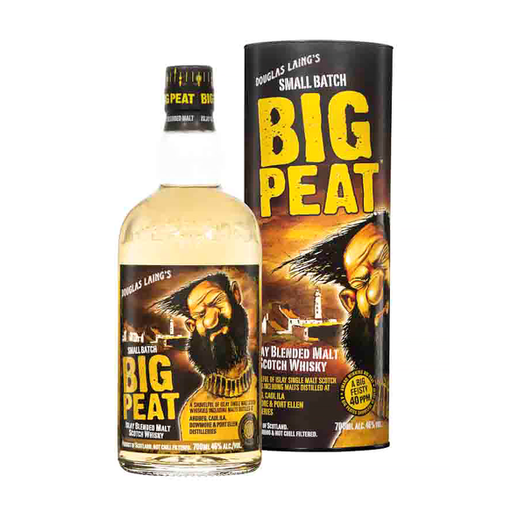
Why this choice suits this profile: With its 46% ABV and stated notes of liquorice, ash, clove and peat, it's aimed at fans of smoky whiskies with real character.
The ABV and peated profile are clearly indicated. So you know what to expect and can avoid a bottle that's too smoky if you're more used to fruity whiskies.
Islay blended malt, 46% ABV, peat notes and recommended served neat at room temperature.
We've put together a comprehensive, real-time selection of products that meet these strict criteria as well as European safety regulations.
For sipping, pour a small amount into a suitable glass and serve the whisky at room temperature. Start without water or ice to discover the nose and initial notes on the palate, then adjust to your preference. Profiles marked by sherry, such as the Jura Sherry Cask 12 Years, can particularly complement a chocolate dessert or some dried fruit, according to the product page.
For a gift, age, region and presentation can guide your choice. A gift set or a discovery format, like the Clubhouse set containing four 5cl bottles, lets you offer several expressions without buying a full bottle straight away. Always check the total volume and ABV.
For a cocktail, go for a versatile whisky with a profile that's bold enough not to get lost behind the other ingredients. A blended whisky or a blended malt at 40% ABV can work well in an Old Fashioned, a Whisky Sour or a long drink. The recipe, proportions and ingredients used will, however, have a significant impact on the result.
Alcohol is for adults only. Consumption should be moderate. Alcoholic drinks are not recommended during pregnancy and should never be combined with driving.
A well-sealed bottle, stored upright, away from light and extreme temperature fluctuations, can remain drinkable for a long time. Once opened, however, the air inside the bottle will eventually cause the aromas to evolve, especially as the level drops. Close it carefully and avoid decanting it without reason.
The ABV indicates the proportion of alcohol in the drink. A whisky at 40% ABV is generally easier to drink every day or to use in a cocktail. At 46% ABV, the aromatic expression can feel more intense and gives you more leeway to adjust the dilution with a few drops of water. The ABV alone isn't enough to determine your preferences, though: the cask type and flavour profile also play a key role.
A Speyside single malt with fruity, honeyed or vanilla notes is often an accessible starting point. If you already enjoy smoky aromas, you can then move on to a peated Islay whisky. To vary your uses, a blended malt or blended whisky at 40% ABV can be served neat, on the rocks or used in cocktails.