
Livraison le jour même ou le lendemain

Qualité garantie

Débloquez vos offres de bienvenue: Livraison GRATUITE | Jusqu'à -80 % | 30 jours d'essai gratuits à JoyPlus
Téléchargez l'application
In 2026, choosing a new television can be dizzying with the proliferation of technologies and acronyms. If you're aiming for a truly immersive viewing experience, whether for movie nights or intense gaming sessions, Mini LED technology has become a must-have. In its 65-inch size (about 165 cm), it represents the perfect balance between a large screen and seamless integration into our living rooms.
Our editorial team breaks down the essential features of a good 65-inch 4K TV and presents a selection of models that stand out from the crowd, each with its own strengths for specific use cases.
Before diving into our selection, let's review the key criteria that will help you make the right choice and get the most out of your investment.
Mini LED is a major evolution of the LED backlighting we've known for years. The principle? It uses much smaller diodes, allowing thousands of them to be placed behind the LCD panel. These diodes are then grouped into hundreds, or even thousands, of local dimming zones. The result is undeniable: much finer control over the light, which translates to:
Your primary use will dictate which features to prioritise.
For cinephiles: Compatibility with dynamic HDR formats like Dolby Vision or HDR10+ is a must. These formats adjust brightness and colour scene by scene for a result that is true to the director's vision. On the audio side, a Dolby Atmos compatible sound system will immerse you in the heart of the action with three-dimensional sound, for a true home cinema TV experience.
For gamers: Connectivity is king. Check that the TV is equipped with HDMI 2.1 ports. This standard is essential to leverage next-gen consoles (a 65-inch TV for PS5 or Xbox Series X) in 4K at 120 frames per second (fps). A native refresh rate of 144?Hz and support for VRR (Variable Refresh Rate) are decisive advantages for perfect fluidity, without any screen tearing. This makes it an excellent contender for the title of best 144Hz gaming TV.
The processor is the brain of your TV. Recent models feature chips powered by artificial intelligence that optimise image and sound in real time. The operating system (on a 65-inch Smart TV) shapes your entire daily experience: menu fluidity, app catalogue (Netflix, Prime Video, Disney+), and connected features. Google TV and Tizen (Samsung) are currently two systems praised for their rich features and ease of use.
This 65-inch TV comparison is based on the technical specifications and market positioning of each product to help you find the model that's right for you.
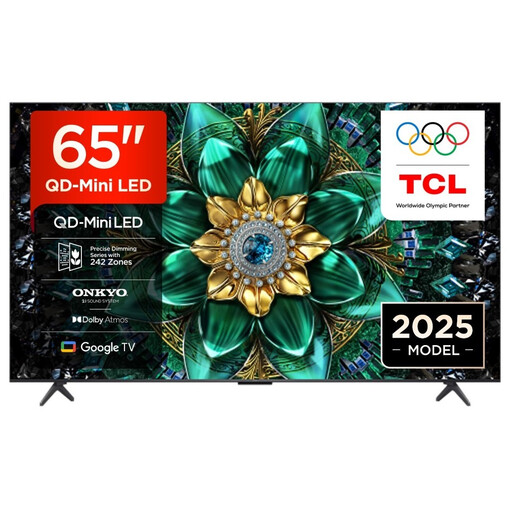
Why it stands out: The TCL 65Q6C makes a strong impression by combining QD-Mini LED technology (which pairs Mini LED with Quantum Dot filters) with an arsenal of gaming features. Its native 144?Hz refresh rate and FreeSync compatibility make it a top choice for PC and console gamers, without sacrificing image quality for movies thanks to Dolby Vision IQ.
Key Strengths:
Who is it for? Ideal for those who don't want to choose between competitive gaming and 4K HDR movie nights.
See details and price for the TCL 65Q6C
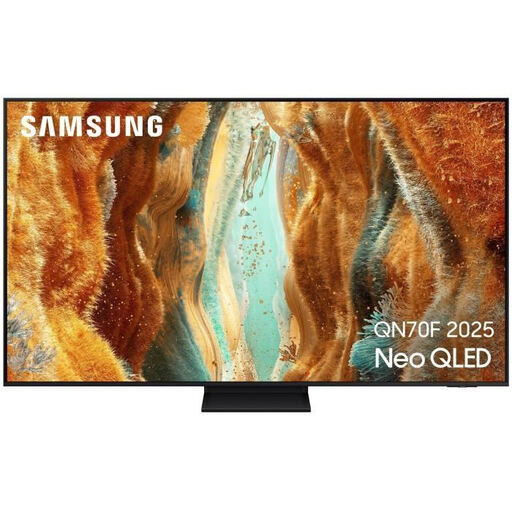
Why it stands out: The Samsung 65QN70F, under its Neo QLED banner, showcases extremely fine light control thanks to its mastery of Mini LED. Its Neural Quantum 4K processor uses AI to enhance every scene. With its ultra-slim design and responsive Tizen system, it's a beautiful piece of technology that's as pleasant to look at as it is to use.
Key Strengths:
Who is it for? Recommended for those who prioritise a sleek design and a responsive user interface, while demanding top-tier image quality optimised by a powerful processor.
See details and price for the Samsung 65QN70F
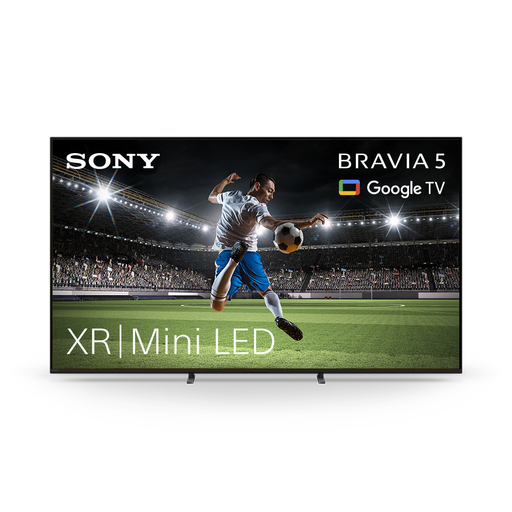
Why it stands out: With the Sony K65XR5, it's all about fidelity. Its Cognitive Processor XR analyses content just as our brain would, for stunning realism. The XR Backlight Master Drive technology, inherited from the brand's professional monitors, controls the Mini LEDs with formidable precision. The focus is on an authentic audiovisual experience, particularly thanks to the Acoustic Multi-Audio system, which makes it seem as if the sound is coming directly from the screen.
Key Strengths:
Who is it for? For cinephiles and image purists who demand a television capable of reproducing creative works with absolute fidelity, both visually and audibly.
See details and price for the Sony K65XR5
Our selection highlights three different philosophies of Mini LED technology. If your needs lie elsewhere or if you simply want to explore other options, many other sizes and models are available.
To discover a wider range, check out our complete Mini LED Television category.
It all comes down to the display technology. A Mini LED TV uses a conventional LCD panel but is backlit by thousands of mini-diodes, allowing it to achieve very high peak brightness and offer excellent contrast. An OLED TV, on the other hand, has no backlight; each pixel produces its own light. This allows it to display absolute blacks and perfect viewing angles. It's a tough choice: on one side, you have the brightness and no risk of burn-in with Mini LED; on the other, the infinite contrast of OLED.
For watching movies and series (typically shot at 24 fps), a 144?Hz rate offers no noticeable benefit. However, it's a game-changer for gamers, especially on PC, allowing for up to 144 frames per second for maximum responsiveness and fluidity. For consoles like the PS5 or Xbox Series X, which target 120?Hz, a 144?Hz screen provides comfortable headroom and foolproof compatibility.
HDMI 2.1 ports have become essential for unlocking the full potential of modern devices. They are the only ones capable of transmitting a 4K signal at 120?Hz, the holy grail for gaming on the latest generation of consoles. They also manage key features like VRR (Variable Refresh Rate), which syncs the TV's refresh rate with the console's to prevent stuttering, and eARC (Enhanced Audio Return Channel), which allows uncompressed HD audio formats (like Dolby Atmos) to be sent to a compatible soundbar or amplifier.