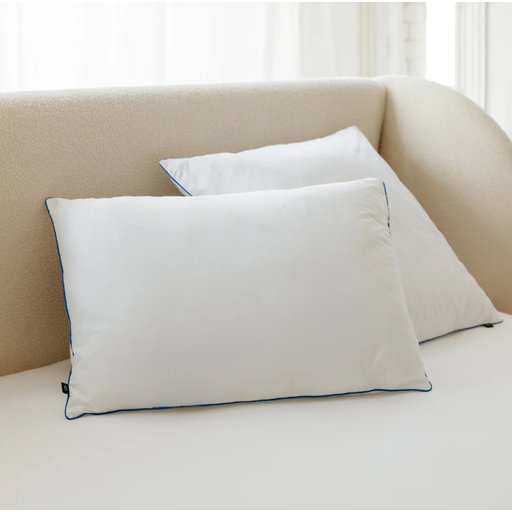
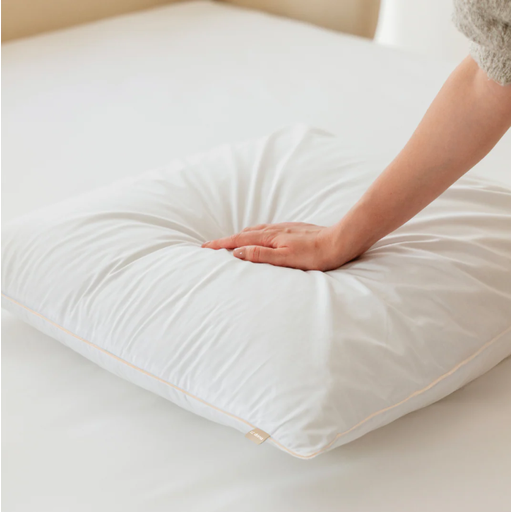
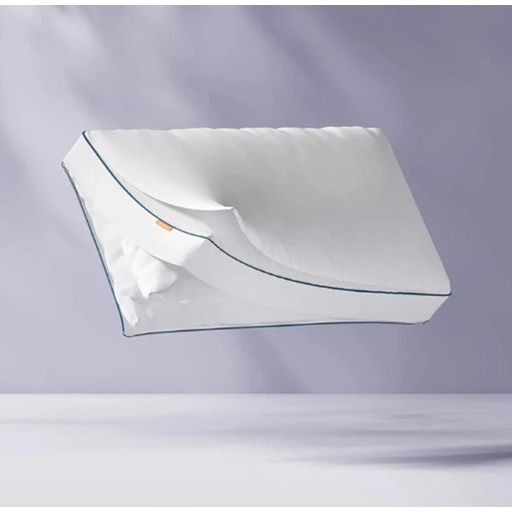
A good pillow is the cornerstone of a truly restorative night's sleep. Yet, with an overwhelming number of options, choosing the right 60x60 pillow can quickly become a headache. Between marketing promises and sometimes obscure technical jargon, it's easy to make the wrong choice, resulting in neck pain and poor-quality sleep.
As the Head of Product Recommendations at Joybuy, I'm here to help you make sense of it all. Let's forget the jargon and focus on what's essential: avoiding the most common pitfalls and identifying the objective criteria to find the pillow that's right for YOU.
The 3 Pitfalls to Avoid When Buying a Pillow
- The "one-size-fits-all" pillow myth: Beware of products that claim to be perfect for everyone. Your body type and, most importantly, your sleeping position (on your back, side, or stomach) are personal factors that require a specific level of support. A pillow that is too firm or too soft for you is a guarantee for tension in your neck support.
- Vague "comfort" marketing: Terms like "ultra-soft" or "cloud-like comfort" are meaningless. What matters are the specifics: the type of filling, its density, and the resulting firmness. A pillow that feels appealing at first touch can go flat in just a few months if it's of poor quality.
- Hygiene as an afterthought: A pillow is a breeding ground for sweat, dust mites, and bacteria. A model that isn't machine-washable or is a hassle to maintain will quickly become a problem. For us, this is a non-negotiable criterion, especially for those with allergies or sensitivities.
The Essential Criteria for an Informed Choice
To get it right, focus on these three pillars that define a pillow's quality and suitability.
1. The Filling: Natural or Synthetic?
The core of the pillow determines its comfort, durability, and properties.
- Natural filling (feathers and down): A feather pillow offers firm support, while down provides loft and softness. This combination is renowned for its excellent ventilation and longevity, with a loft that lasts. However, people with allergies should be cautious: ensure it has received a specific treatment.
- Synthetic filling (polyester fibres, microfibres): These pillows are inherently hypoallergenic and easier to care for. They offer excellent value for money but can flatten more quickly than their natural counterparts. However, the latest innovations, like siliconised hollowfibre, can closely mimic the comfort of down.
2. Firmness: Perfect Alignment for Your Neck
Firmness should be chosen based on your primary sleeping position to ensure your spine remains properly aligned.
- For side sleepers: You need a fairly firm and thick pillow to perfectly fill the gap between your neck and the mattress.
- For back sleepers: Medium support is ideal to keep the head aligned with the neck, without it tilting forward or backward.
- For stomach sleepers: Opt for a very flat and soft pillow to avoid any excessive twisting of the neck.
3. The Little Extras That Make a Big Difference: Health and Comfort
Certain details can transform your sleeping experience.
- Thermoregulation: If you tend to get hot at night, a thermoregulating pillow or a breathable pillow is a game-changer. Materials like cotton, bamboo, or certain microcapsule technologies help to effectively wick away heat and moisture.
- Certifications: Labels like STANDARD 100 by OEKO-TEX guarantee the absence of any harmful substances. This is an essential guarantee of safety for a product in direct contact with your skin and airways.
- Size: The square format, typical in France, is mainly available as a 60x60 cm pillow and a 65x65 cm square pillow. The choice will depend on your habits and the size of your pillowcases.
Our Top Picks for Every Type of Sleeper
To put theory into practice, here are a few models that meet specific needs, selected based on these objective criteria.
BEST FOR: AFFORDABLE, CERTIFIED COMFORT
The ideal choice if: you're looking for a balanced option with essential safety certifications and easy maintenance, without breaking the bank. Perfect for a first-time purchase or a guest room.
How It Avoids the Pitfalls
It doesn't promise the world, but it delivers clear features (synthetic filling, washable) and verifiable certifications (OEKO-TEX, Certipur), a far cry from vague marketing.
Its Strengths
Its hypoallergenic synthetic filling and multiple certifications guarantee a healthy sleep environment. Fully machine-washable for impeccable hygiene.
BEST FOR: FANS OF NATURAL COMFORT
The ideal choice if: you prefer the traditional comfort and superior breathability of a feather and down filling, while demanding quality and animal welfare certifications.
How It Avoids the Pitfalls
Its composition is crystal clear (90% feathers, 10% down), allowing you to know the exact balance between firm support and softness, unlike vague descriptions.
Its Strengths
A natural filling for unmatched breathability and enveloping comfort. Its 100% cotton cover and numerous certifications (OEKO-TEX, CertiPUR-US, Sanitized) are major bonuses.
BEST FOR: THOSE WHO ALWAYS SLEEP HOT
The ideal choice if: you suffer from night sweats. It was designed for this, with its thermoregulating materials and adjustable height that allows for tailored neck support.
How It Avoids the Pitfalls
It doesn't present itself as a miracle solution but tackles a specific problem (heat) with dedicated technology (breathable materials). A targeted and fulfilled promise.
Its Strengths
Its active thermoregulating technology keeps you cool, while its customisable height (by simply removing some filling) ensures tailored comfort. Fully machine-washable, of course.
Looking for other options?
We've put together a complete selection of pillows that meet our quality criteria and safety standards.
Frequently Asked Questions About 60x60 Pillows
What is the lifespan of a pillow, and when should you replace it?
On average, it's recommended to replace your pillow every 2 to 3 years. Several tell-tale signs indicate it's time for a replacement:
- It's misshapen, lumpy, or has lost its original loft.
- It no longer supports your head correctly, causing pain when you wake up.
- Persistent yellowish stains appear, a sign of moisture and bacteria buildup.
- The foolproof test: fold it in half. If it doesn't spring back to its original shape, its time is up.
How can you machine-wash a pillow without damaging it?
The first step: always check the manufacturer's label. If machine washing is permitted, here are the steps to follow:
- Run a delicate cycle at a low temperature (30 or 40°C).
- Use a mild detergent, without using too much.
- If possible, wash two pillows at once to balance the machine's drum.
- For drying, use a tumble dryer on a low heat setting with two or three dryer balls (or tennis balls). They will help restore the pillow's volume and distribute the filling evenly. Crucially, make sure it is completely dry before using it again to prevent any mould or mildew.
Is a 65x65 pillow really different from a 60x60?
The 65x65 cm square pillow is the other major standard size in France. These extra 5 cm provide a slightly larger sleeping surface, which is appreciated by those who move a lot during the night. The choice between the two sizes is primarily a matter of personal preference and the size of your bed linens. The selection criteria (filling, firmness, support), however, remain exactly the same.